
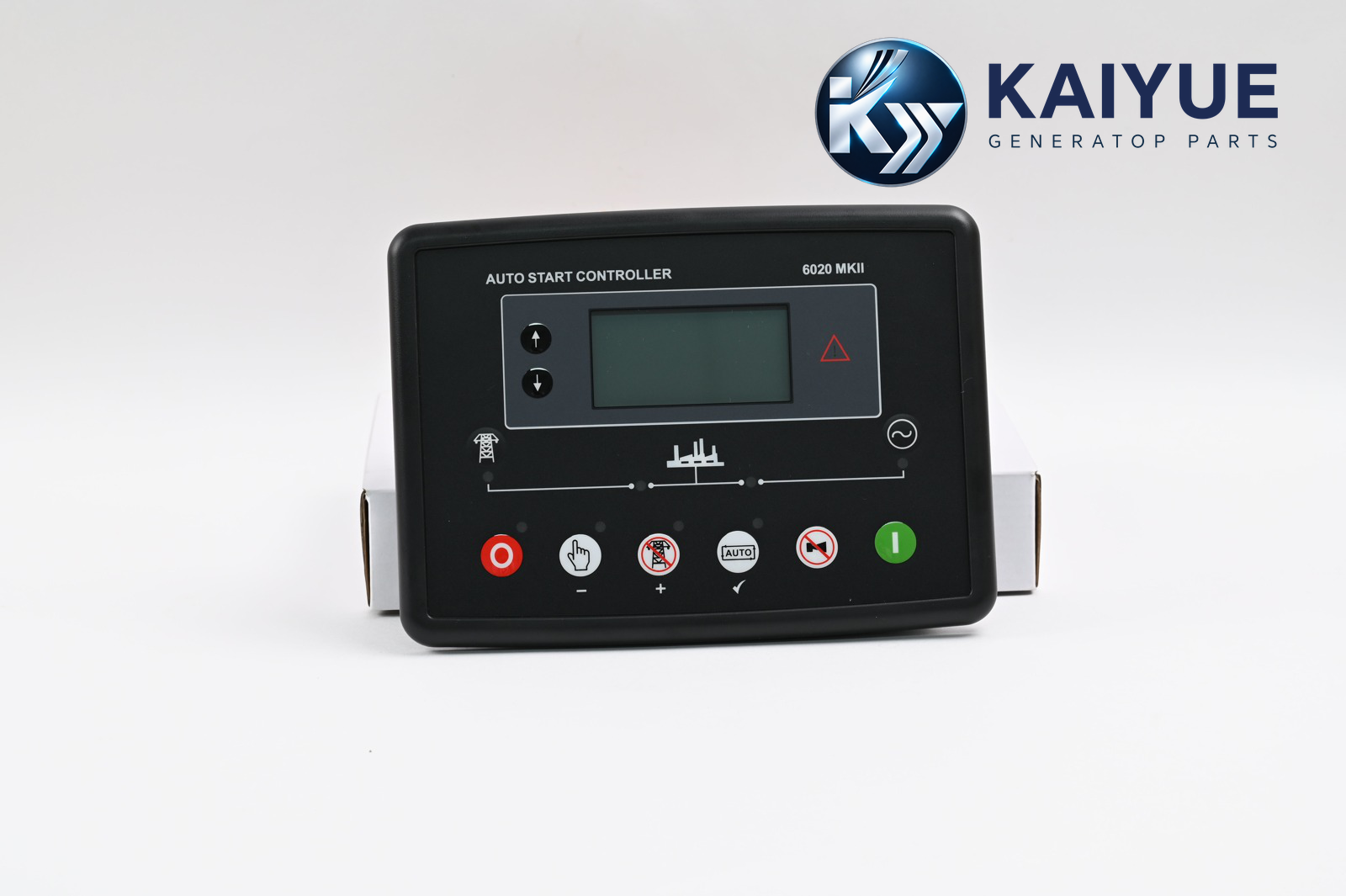
Deep Sea Controller Series
DSE6020 MKII
Deep Sea Controller Auto Start Control Module DSE6020 MKII for generator

KAIYUE has 20 years experience for genset parts.
A generator controller coordinates starting, running, monitoring and shutdown. It reads engine and electrical signals, then operates outputs for functions such as cranking and fuel control. At routine service, review the alarm log and inspect input wiring. Confirm start mode and sensor compatibility before replacing the module.
Deep Sea Controller Auto Start Control Module DSE6020 MKII for generator
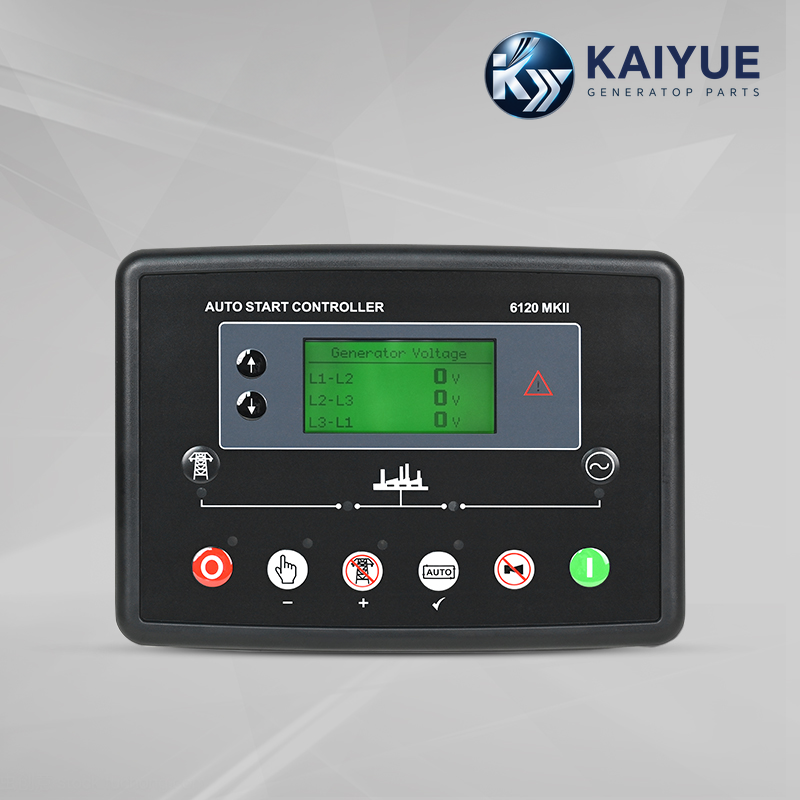
Deep Sea Controller Auto Start Control Module DSE6120 for generator
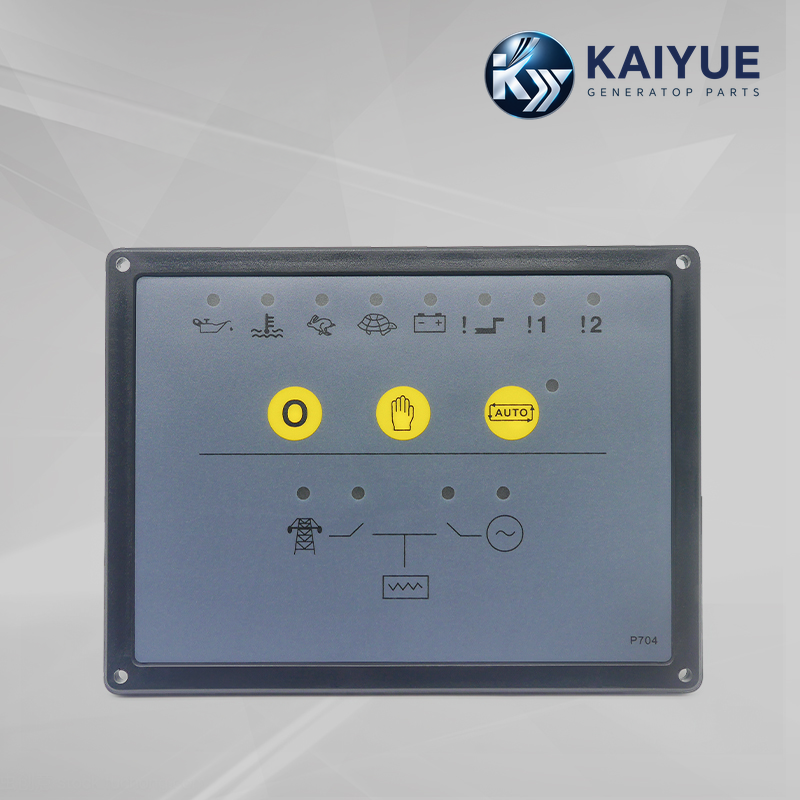
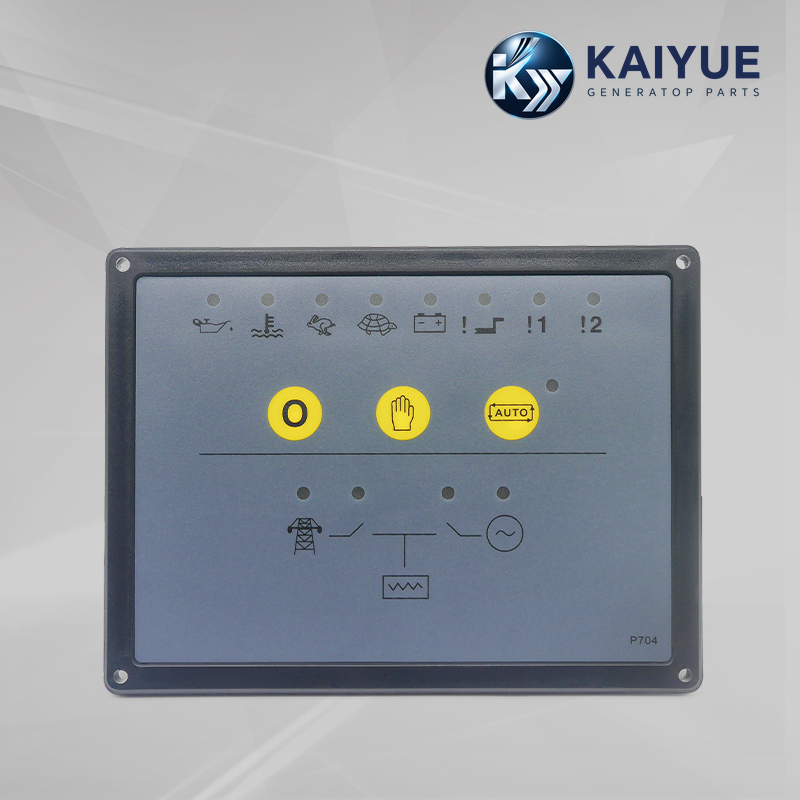
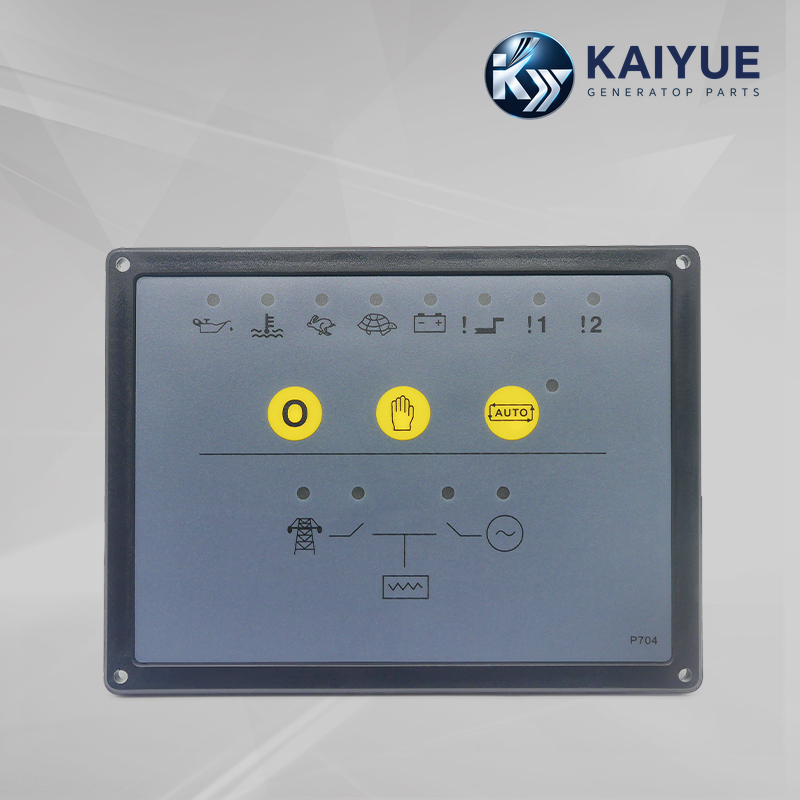
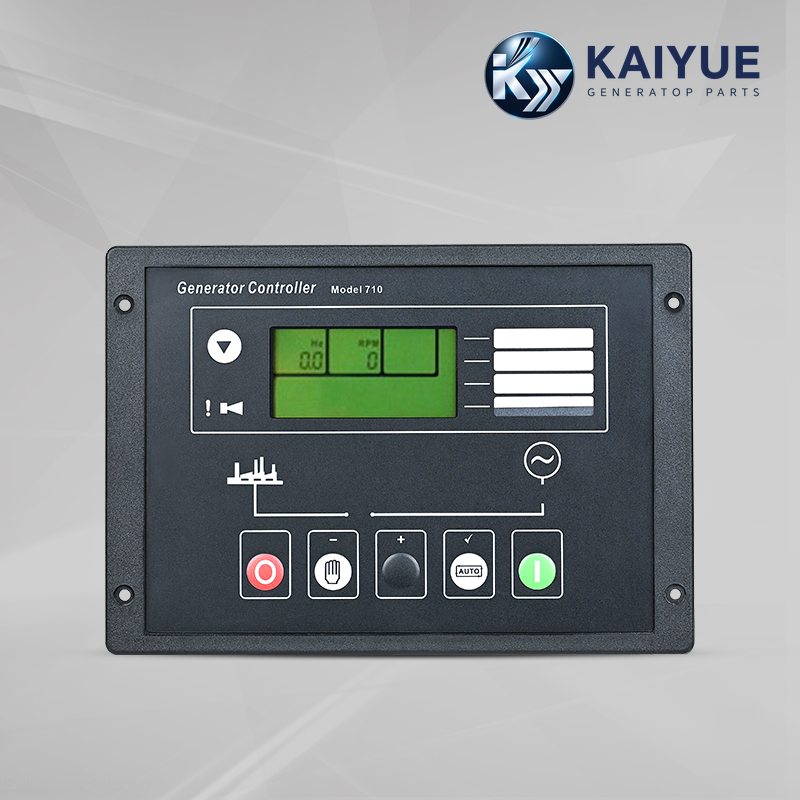
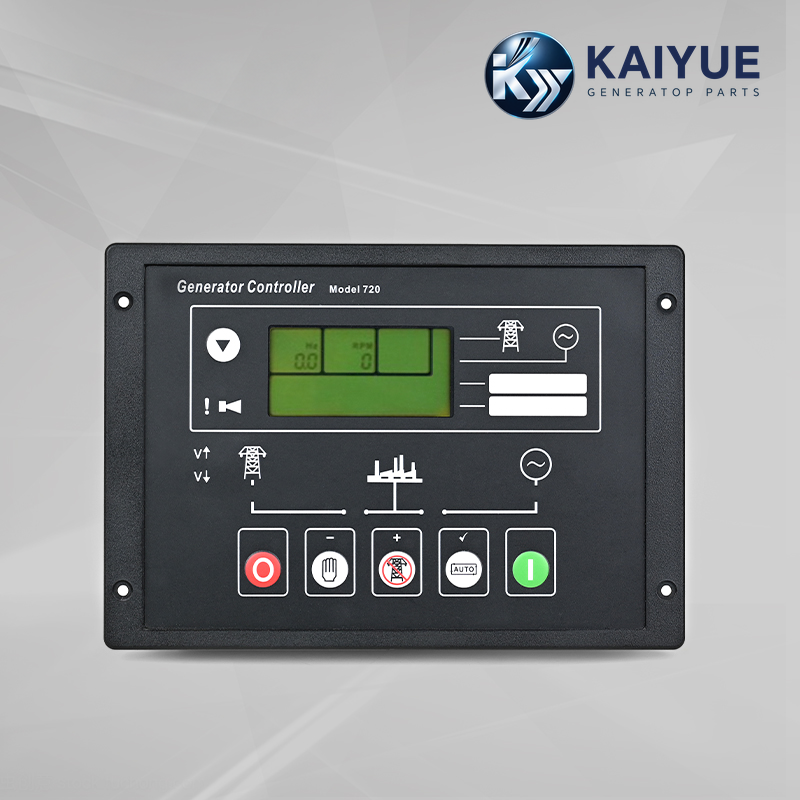
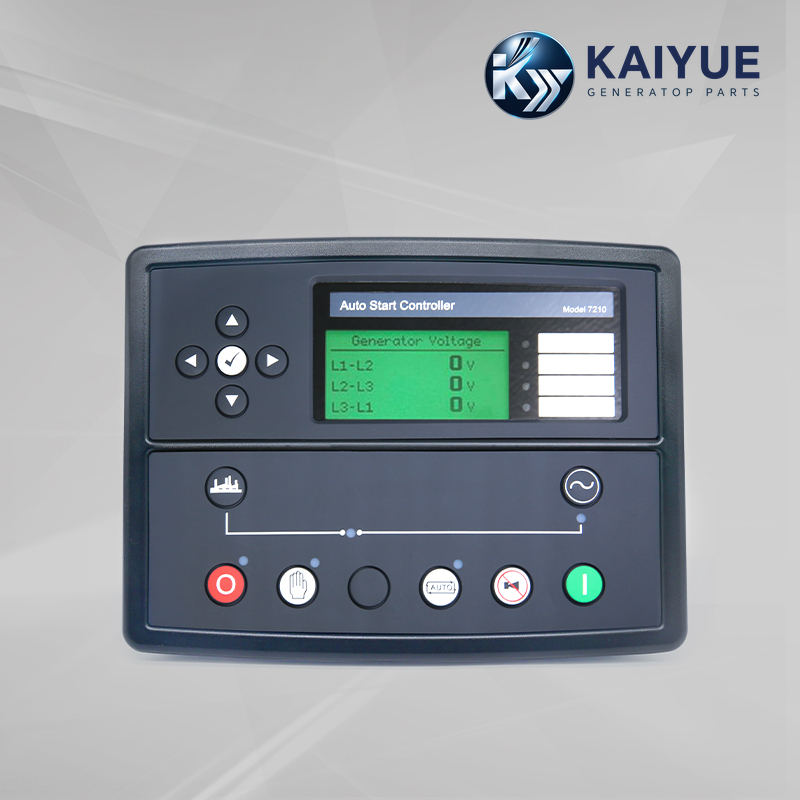
Deep Sea Controller Auto Start Control Module DSE7210 for generator
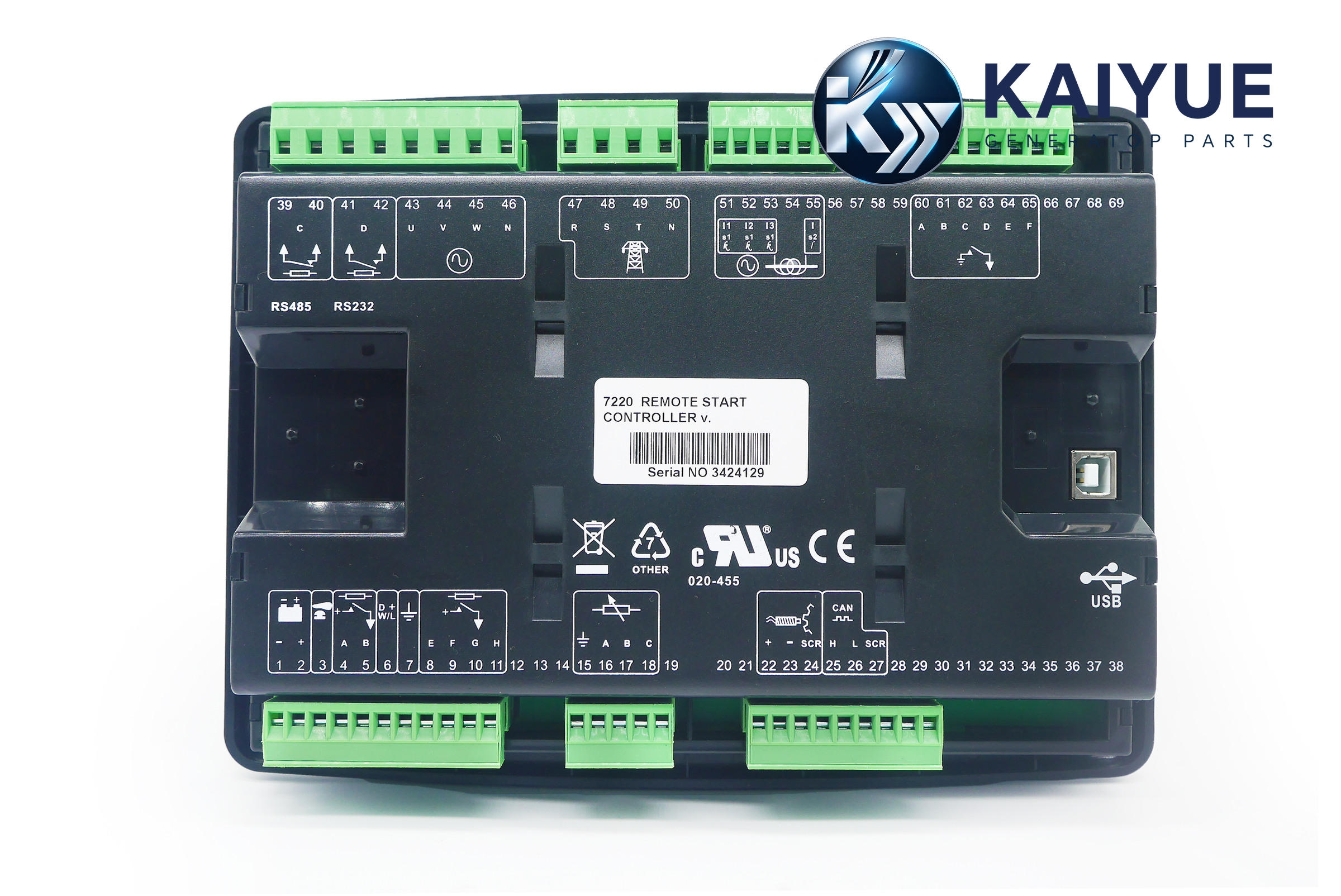
Deep Sea Controller Auto Start Control Module DSE7220 for generator
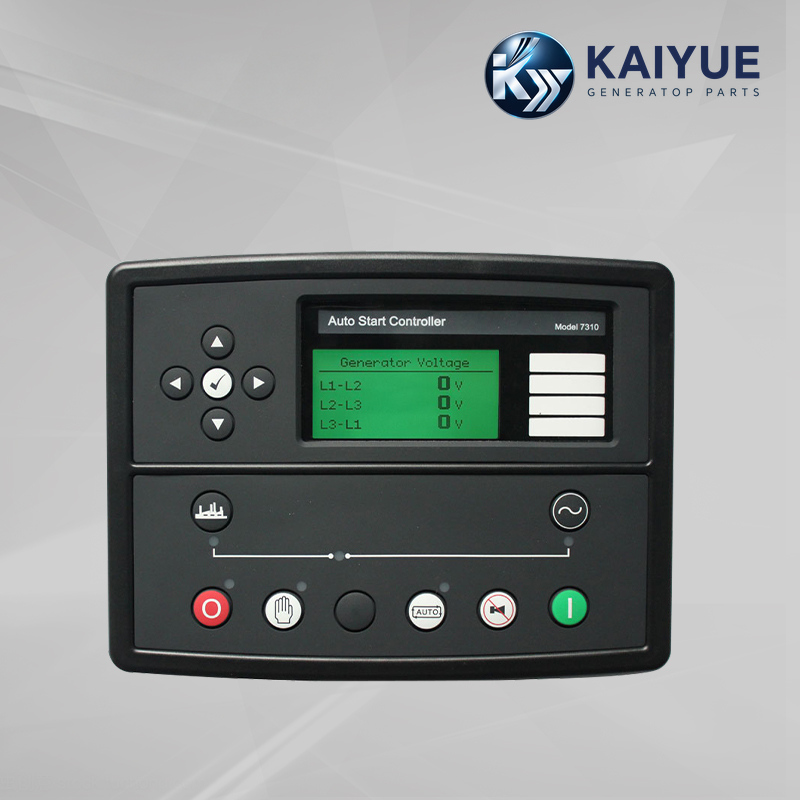
Deep Sea Controller Auto Start Control Module DSE7310 for generator
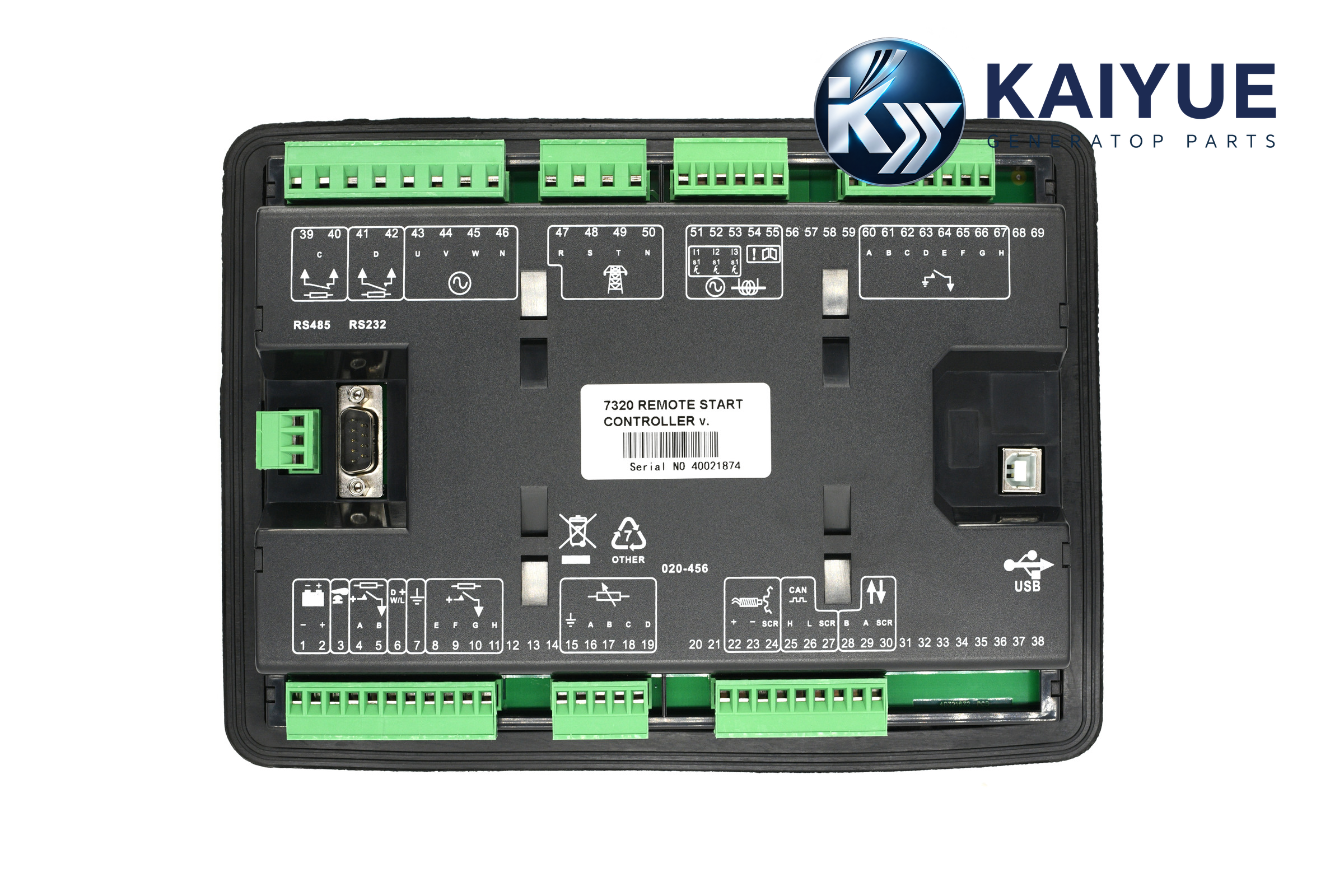
Deep Sea Controller Auto Start Control Module DSE7320 MKII for generator
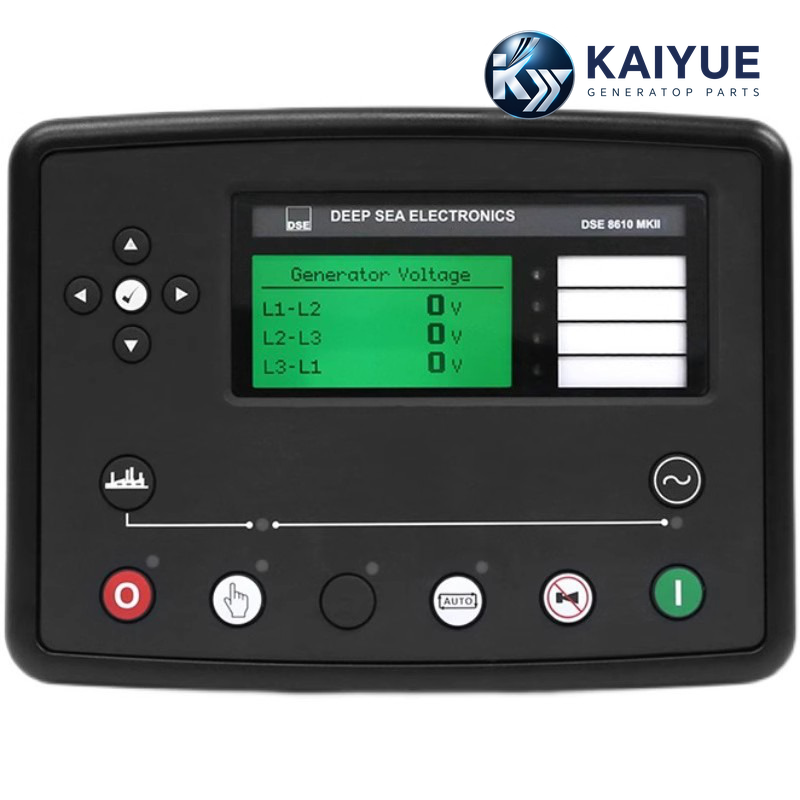
Deep Sea Controller Auto Start Control Module DSE8610 MKII for generator
Generator controllers range from remote-start modules to automatic mains failure and paralleling controllers. Confirm the application, sensor inputs, DC supply and required control outputs.
The module applies start and stop timers, reads running feedback and monitors protection inputs. AMF models also evaluate the mains supply and can coordinate transfer with the panel.
For a failed start, read the alarm history and check DC supply and start permissions. Separate a missing crank output from a starter, fuel circuit or speed feedback problem.
Compare modules by application and hardware version, then match wiring and configuration. Similar front panels can hide different input and output assignments.
Disable automatic start and save the existing configuration where supported. Label connectors, use the model wiring guide and verify manual, remote or auto start plus shutdown logic as applicable.
Generator Controller guidance for selection, use and purchasing.
Explore more FAQs ↗It manages starting, stopping, monitoring and protection for the generator set. It reads engine and alternator signals, displays status and trips the set on fault conditions.
View this answer in FAQs ↗AMF controllers can detect a mains failure and manage a configured start and transfer sequence. Manual or remote-start controllers may accept a local command or a configured remote input. Available functions depend on the model, wiring and operating mode.
View this answer in FAQs ↗Selection depends on required functions, display type, sensor inputs, output contacts, communication protocols and whether AMF or paralleling is needed. Confirm the feature list against your application — confirm the specification with our team.
View this answer in FAQs ↗Replacement is often possible but may require wiring changes, new sensors and reconfiguration. Compatibility must be reviewed per model — confirm the specification with our team.
View this answer in FAQs ↗Starting-phase alarms often relate to low oil pressure signals, overcrank, failed speed sensing or incorrect configuration. Review the fault log and sensor wiring.
View this answer in FAQs ↗Most controllers require configuration of engine parameters, protection thresholds, timers and input/output functions. Configuration should follow the engine and alternator ratings.
View this answer in FAQs ↗Many controllers provide serial or network communication options. Confirm the available protocols for your model — confirm the specification with our team.
View this answer in FAQs ↗False overspeed can come from speed sensor gap errors, electrical noise, incorrect flywheel tooth settings or a damaged sensor cable. Inspect the sensor installation and wiring routing.
View this answer in FAQs ↗Some controllers support configuration export via software or memory tools. Confirm whether your model supports backup — confirm the specification with our team.
View this answer in FAQs ↗Provide generator rating, voltage and frequency, engine type, required functions (AMF, paralleling, communications), sensor types and panel space constraints. ---
View this answer in FAQs ↗Guidance varies by model and installation. Confirm specifications and suitability for your selected part with our team.
Send a model number, reference photo or application details to our team.
