
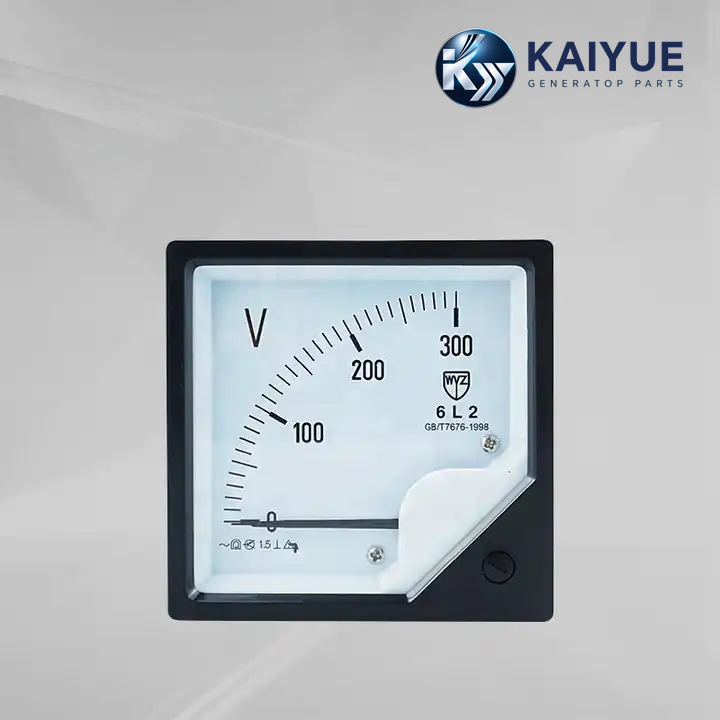
Generator Gauge
6L2V
Amp Panel Meter Ammeter Generator Pointer AC Ammeter Pointer Current Measuring Instrument 6L2V

KAIYUE has 20 years experience for genset parts.
A generator gauge gives operators a local reading of electrical output or engine condition. Depending on the instrument, it receives a sender signal or measures voltage or current through a suitable input circuit. During maintenance, check legibility, secure mounting and terminal condition, then verify suspect readings against a reference.
Amp Panel Meter Ammeter Generator Pointer AC Ammeter Pointer Current Measuring Instrument 6L2V
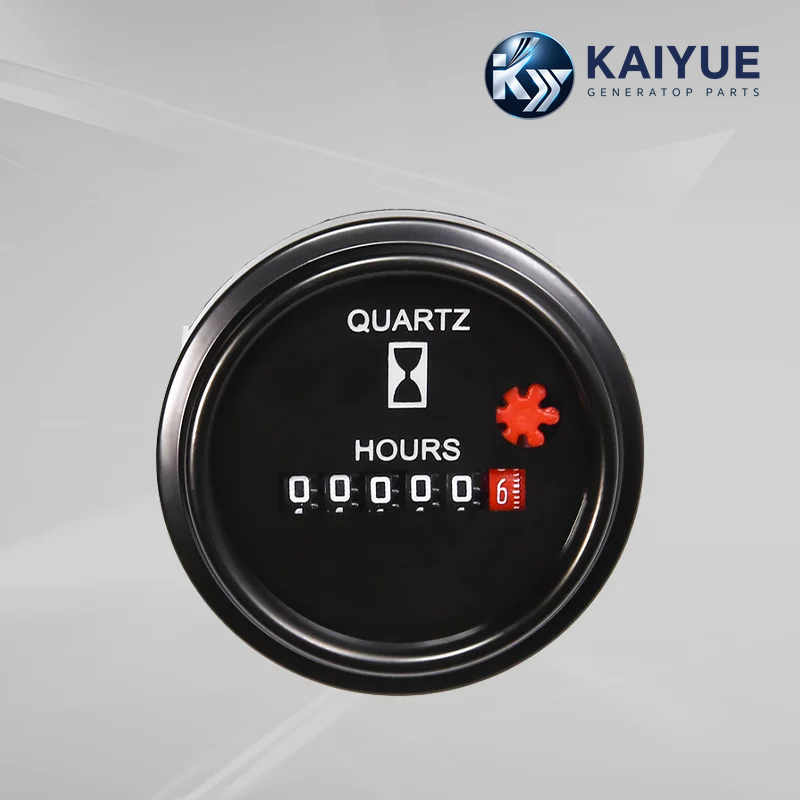
Diesel Engine Digital Hour Meter Tachometer Generator Hour Meter Tachometer 3035766
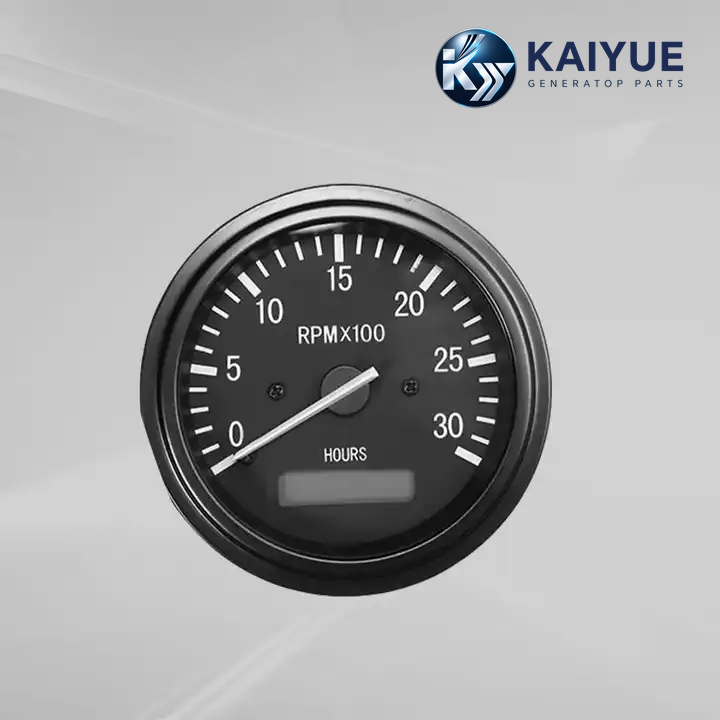
Diesel Engine Digital Hour Meter Tachometer Generator Hour Meter Tachometer 3049555
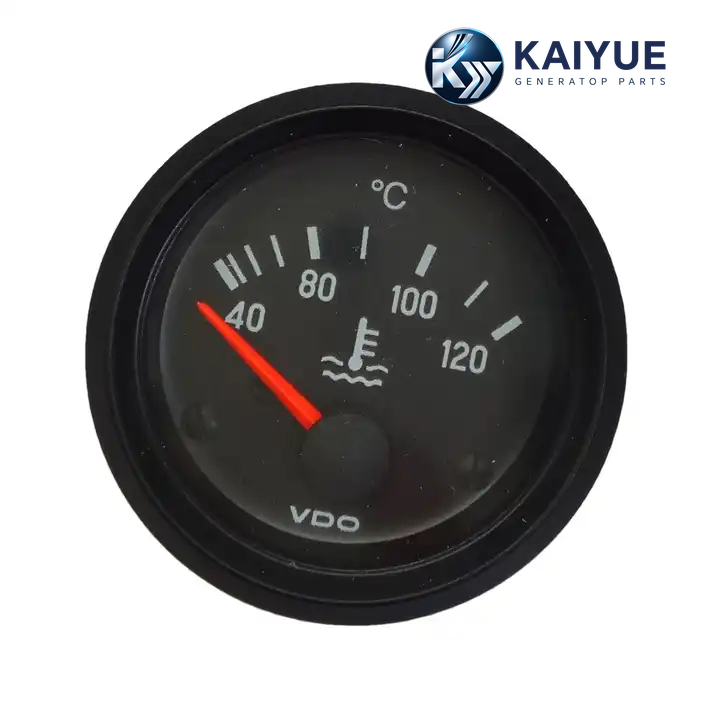
VDO Water temperature gauge 310-030-002C Measuringrange 12V Alarm value 120°C 310-040-002C 24V 120°C 310-040-01 24V 150°C
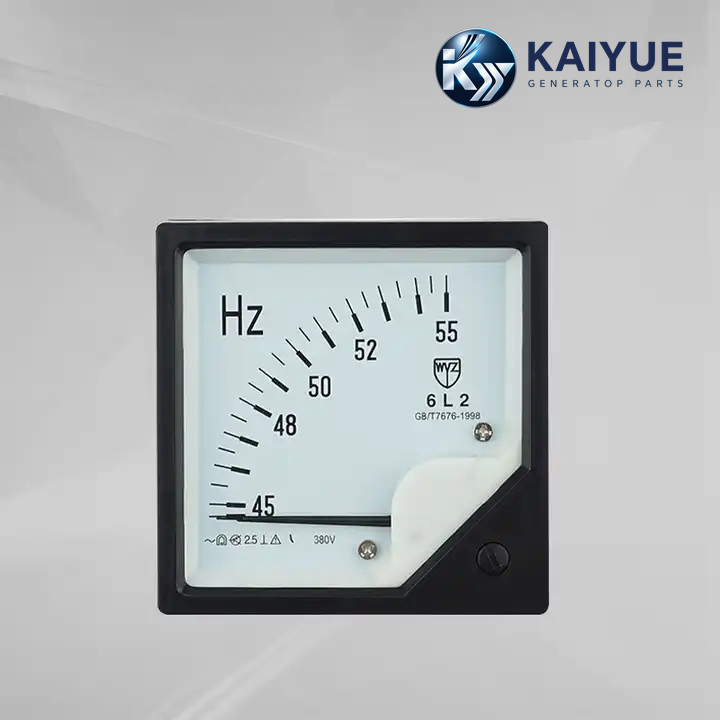
Generator gauges show values such as frequency, running hours, speed or coolant temperature. Select by measured quantity, scale, input and panel cutout.
Electrical meters measure a circuit signal or a scaled input. Engine instruments use a matched sender, while an hour meter accumulates run time from its enable signal.
If a reading stays at zero or jumps, inspect supply, ground and signal connections. Compare the reading with a reference and check the sender or transformer ratio specified for the instrument.
Catalog examples include a frequency panel meter, an hour meter and a temperature gauge. Each needs the correct source signal and scale.
Isolate the panel and identify any current-transformer circuit before work. Fit the specified instrument, restore its connections and compare the displayed value with a verified reading.
Generator Gauge guidance for selection, use and purchasing.
Explore more FAQs ↗Common gauges include hour meters, frequency (Hz) meters, ammeters, voltmeters and water temperature gauges. The combination depends on the panel design and application.
View this answer in FAQs ↗Panel meters are supplied in standard cut-out sizes, so the replacement must match the existing aperture. Measure the cut-out and confirm the required size — confirm the specification with our team.
View this answer in FAQs ↗Many panel ammeters require a current transformer with a defined ratio rather than direct connection. Confirm the required CT ratio for your meter — confirm the specification with our team.
View this answer in FAQs ↗An hour meter can stop due to loss of supply voltage, wiring failure or an internal fault. Confirm the meter supply and wiring before replacing it.
View this answer in FAQs ↗Digital replacement is often possible when the cut-out, supply voltage and input signal are compatible. Confirm the electrical requirements — confirm the specification with our team.
View this answer in FAQs ↗Incorrect readings usually indicate a mismatched sender resistance curve, a faulty sender or wiring issues. The gauge and sender must be a matched pair — confirm the specification with our team.
View this answer in FAQs ↗Supply requirements vary between models, with DC and AC-powered options available. Confirm the supply voltage for the specific meter — confirm the specification with our team.
View this answer in FAQs ↗Accuracy class varies by meter type and model. Request the accuracy specification if measurement precision is important — confirm the specification with our team.
View this answer in FAQs ↗Outdoor use requires suitable enclosure protection and environmental ratings. Confirm the protection rating of the meter — confirm the specification with our team.
View this answer in FAQs ↗Send the meter type, cut-out dimensions, measurement range, supply voltage, CT ratio if applicable, quantity and photos of the existing panel. ---
View this answer in FAQs ↗Guidance varies by model and installation. Confirm specifications and suitability for your selected part with our team.
Send a model number, reference photo or application details to our team.
