

KAIYUE / PROFESSIONAL PRODUCTS
Mecc Alte Series.
Find your next part.
Mecc Alte Series voltage regulators support compatible alternators by sensing output voltage and correcting it through changes in excitation. Before servicing the board, identify the exact alternator and regulator versions. Inspect sensing wires and field terminals, and preserve the documented settings when replacing a programmable model.
4PRODUCTS TO EXPLORE
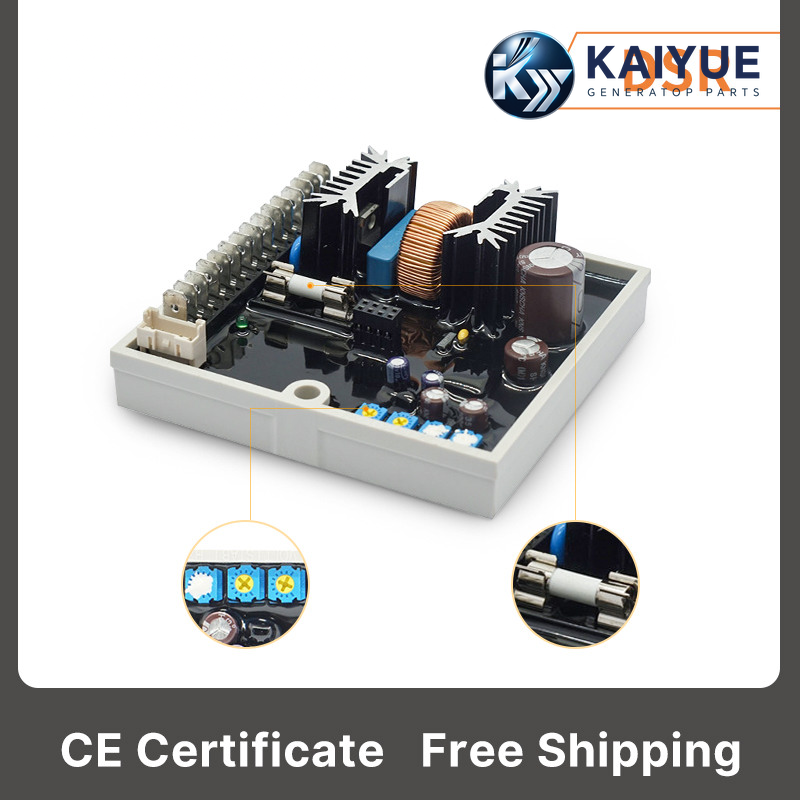
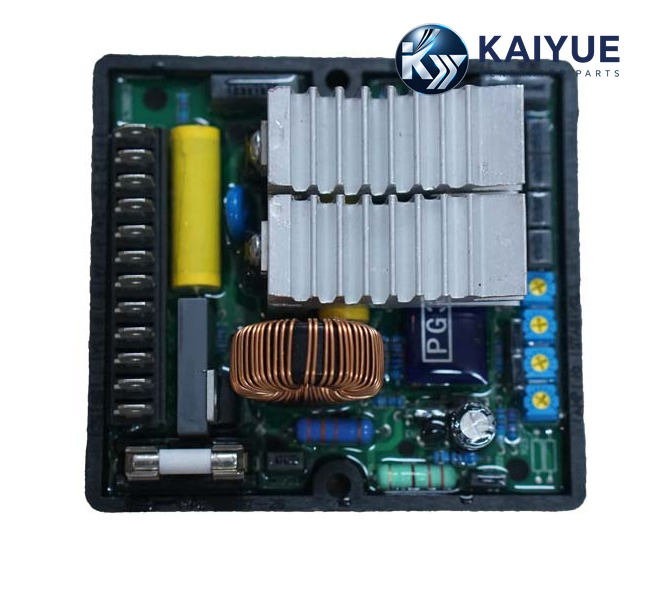
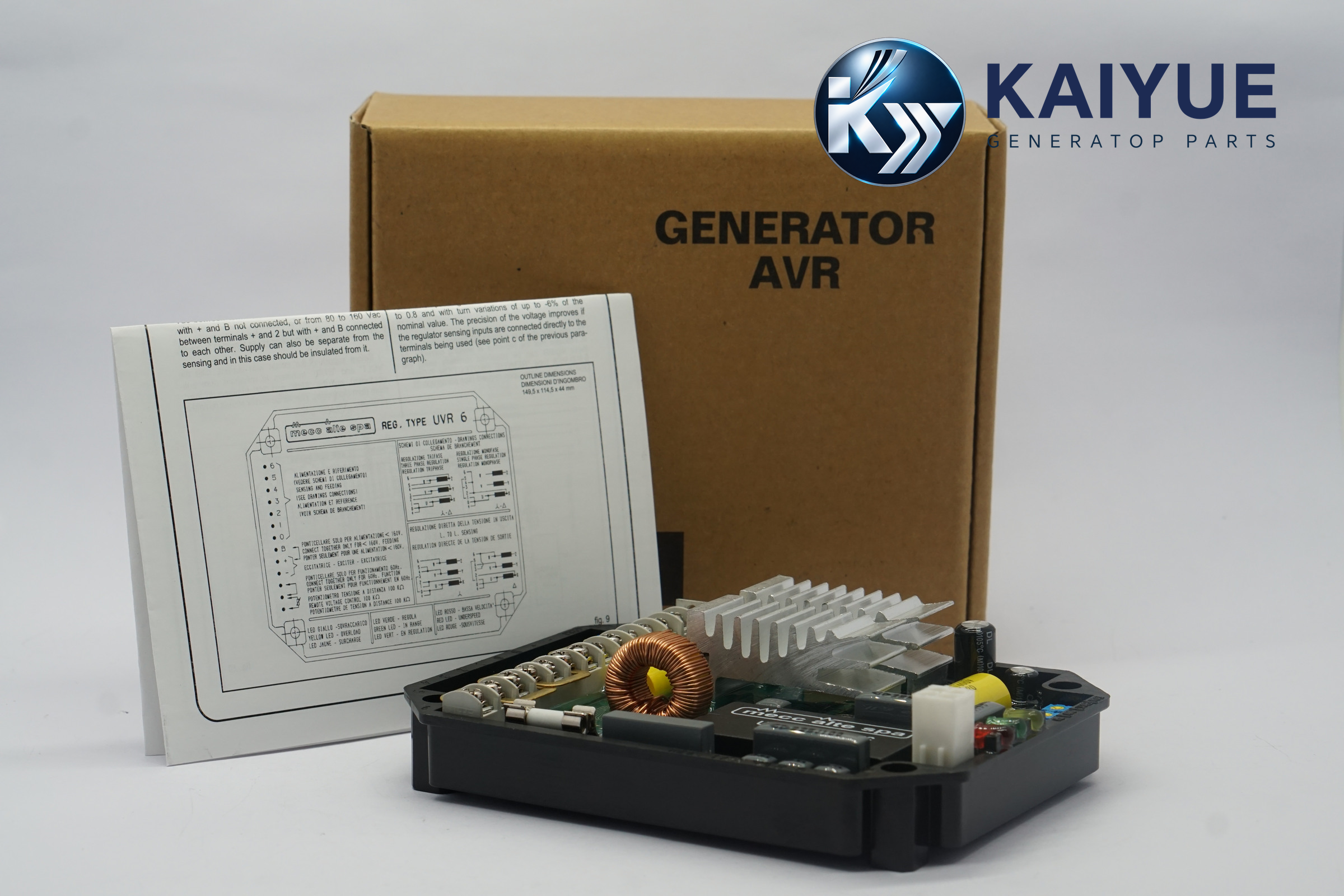
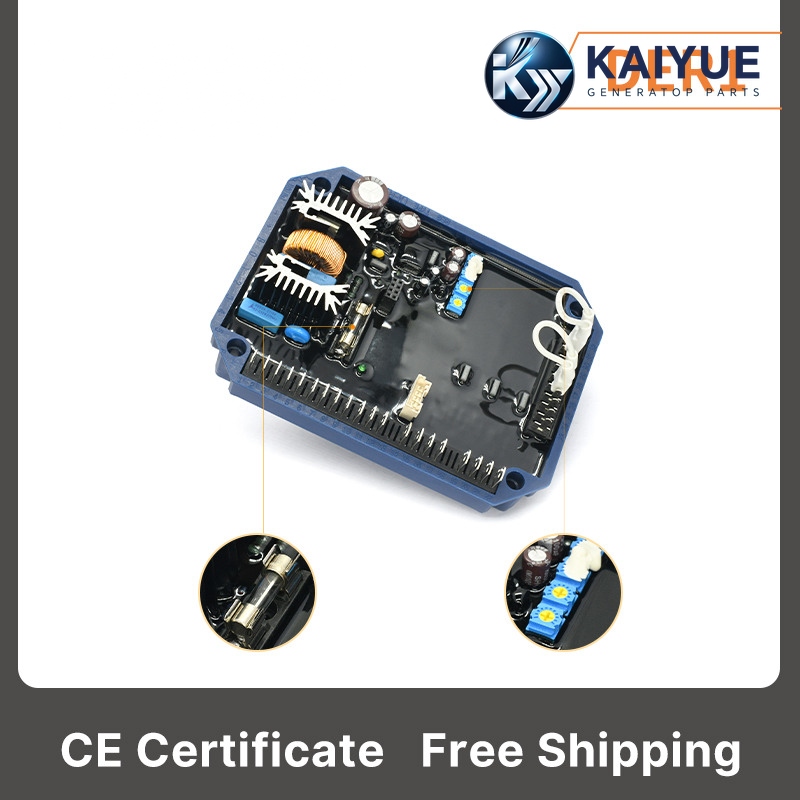
Mecc Alte Series Technical Guide
Product features
Mecc Alte Series listings include digital and conventional regulators. Selection depends on the alternator version, regulator reference and how settings are configured.
How it works
The regulator uses sensed output to adjust exciter current. Digital models may add programmable settings or diagnostics according to the model.
Troubleshooting
If voltage is unstable, inspect the sensing and field terminals. On programmable models, check logged faults or settings against the alternator requirements.
Replacement options
Consider DER1, DSR or SR7 only after confirming the alternator drawing and exact regulator reference.
How to replace it
Save configuration on supported units before removal. After isolation, restore wires and documented settings, then verify output and stability using the selected manual.
PRODUCT GUIDANCE
Frequently asked questions
Mecc Alte AVR Series guidance for selection, use and purchasing.
Explore more FAQs ↗Which alternators use Mecc Alte regulators?+
They are applied to Mecc Alte alternators and compatible excitation systems. Specific pairing must be confirmed — confirm the specification with our team.
View this answer in FAQs ↗How do I identify the correct regulator variant?+
Use the alternator nameplate and the printed regulator reference together; similar enclosures can contain different electronics — confirm the specification with our team.
View this answer in FAQs ↗Why does the generator voltage rise with load reduction?+
Voltage rise on load removal can indicate regulator response settings or sensing problems. Review stability settings and confirm sensing wiring.
View this answer in FAQs ↗Can I replace this regulator with a universal unit?+
Universal replacement is possible only when excitation and sensing characteristics match. Confirm before ordering — confirm the specification with our team.
View this answer in FAQs ↗What is the correct voltage setting procedure?+
Follow the voltage-setting procedure for the specific regulator and alternator. A qualified technician should confirm the wiring, rated speed and safe measurement setup before making any adjustment. Contact our team with the model references to request the relevant documentation.
View this answer in FAQs ↗Does the regulator require a specific auxiliary winding?+
Excitation supply arrangements differ between self-excited and auxiliary-winding systems. Confirm which applies to your alternator — confirm the specification with our team.
View this answer in FAQs ↗How do I diagnose repeated regulator failures?+
Investigate excitation circuit faults, rotating diode condition, vibration, moisture ingress and load characteristics rather than replacing the regulator repeatedly.
View this answer in FAQs ↗Are there configuration links or switches on the board?+
Some regulators include selection links for voltage range or frequency. Confirm the configuration options for your model — confirm the specification with our team.
View this answer in FAQs ↗Can the regulator be used in a parallel installation?+
Parallel capability depends on the model and may require droop accessories. Confirm support — confirm the specification with our team.
View this answer in FAQs ↗What should I include when requesting a price?+
Include the alternator model, regulator reference, rated output, excitation arrangement, quantity and installation photos. ---
View this answer in FAQs ↗Guidance varies by model and installation. Confirm specifications and suitability for your selected part with our team.
Not sure which part you need?
Send a model number, reference photo or application details to our team.
