
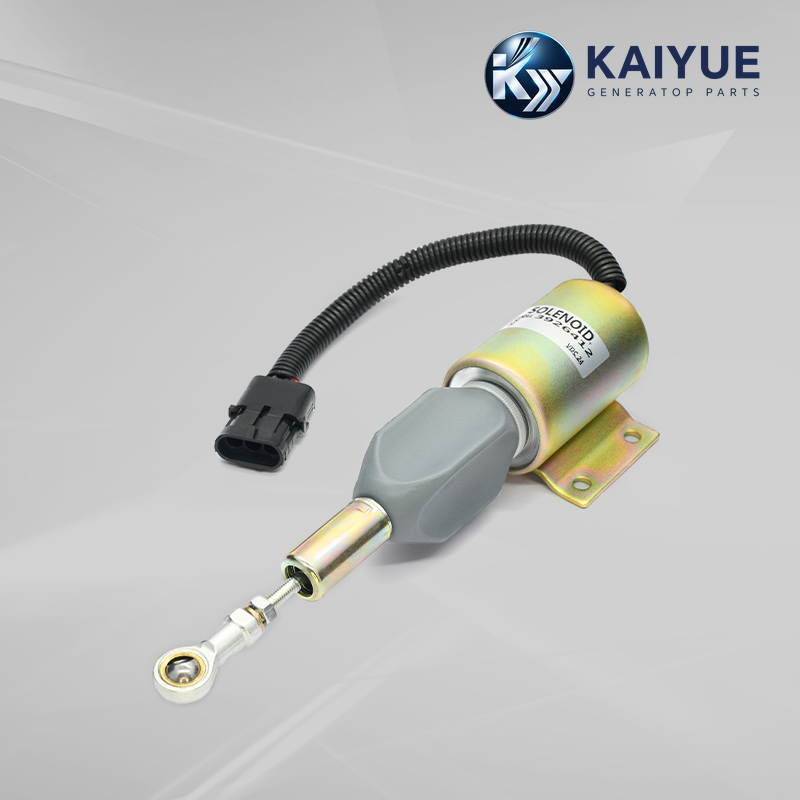
Fuel Shut Off Solenoid
3926412
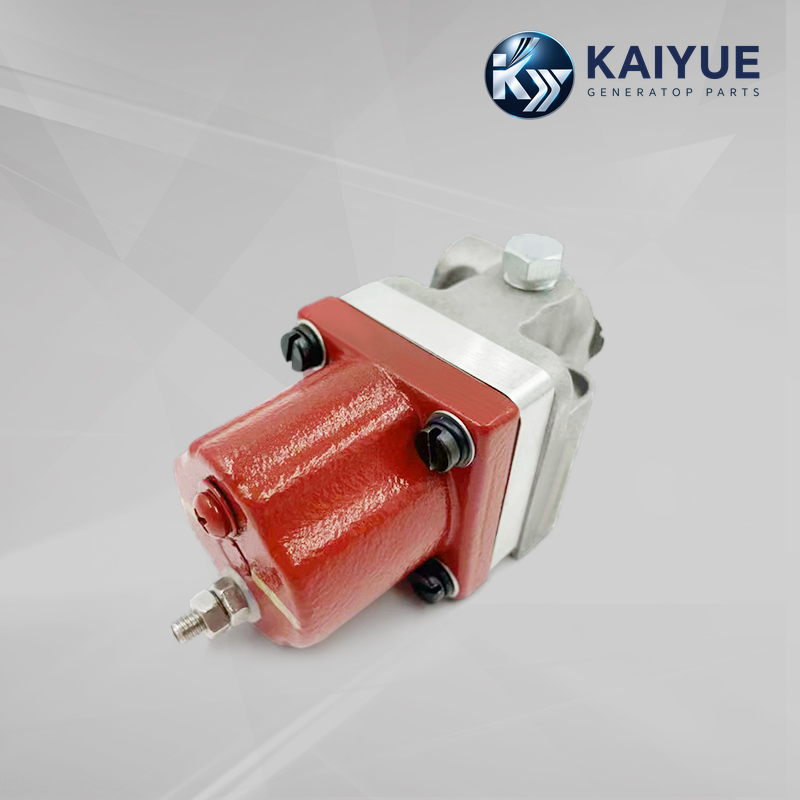
Cummins Diesel Engine Fuel Stop Solenoid Engine Stop Solenoid 12V/24V 3926412

KAIYUE has 20 years experience for genset parts.
A fuel shut-off solenoid starts or stops diesel fuel delivery by moving a plunger or shut-off lever. An energized coil creates the magnetic force that moves the plunger, and the return action depends on the design. If the engine stalls or fails to start, inspect the connector and linkage, and confirm the specified coil voltage.
Cummins Diesel Engine Fuel Stop Solenoid Engine Stop Solenoid 12V/24V 3926412
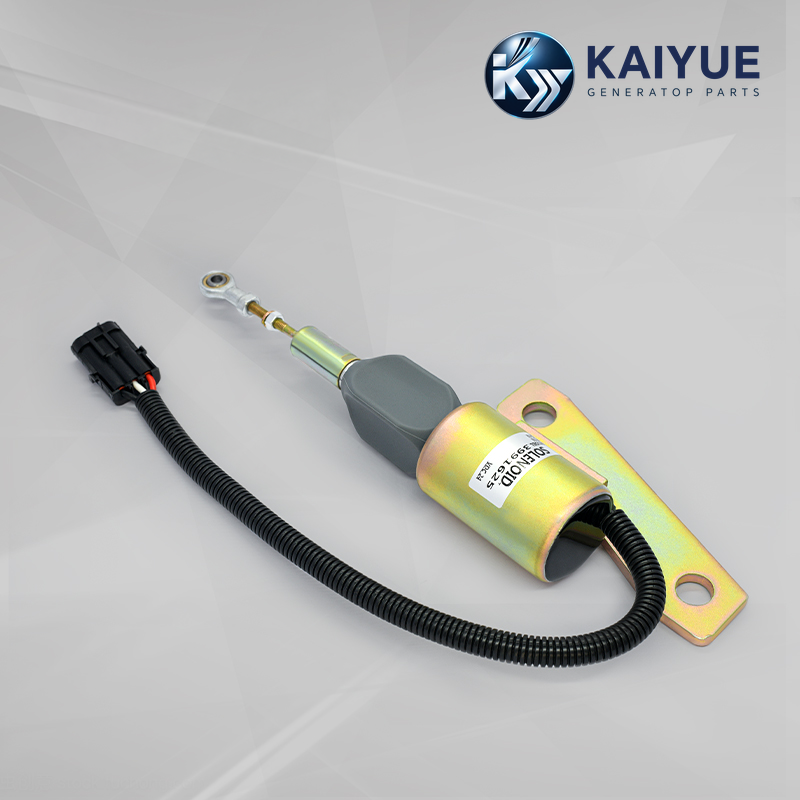
Cummins Diesel Engine Fuel Stop Solenoid Engine Stop Solenoid 12V/24V 3991625
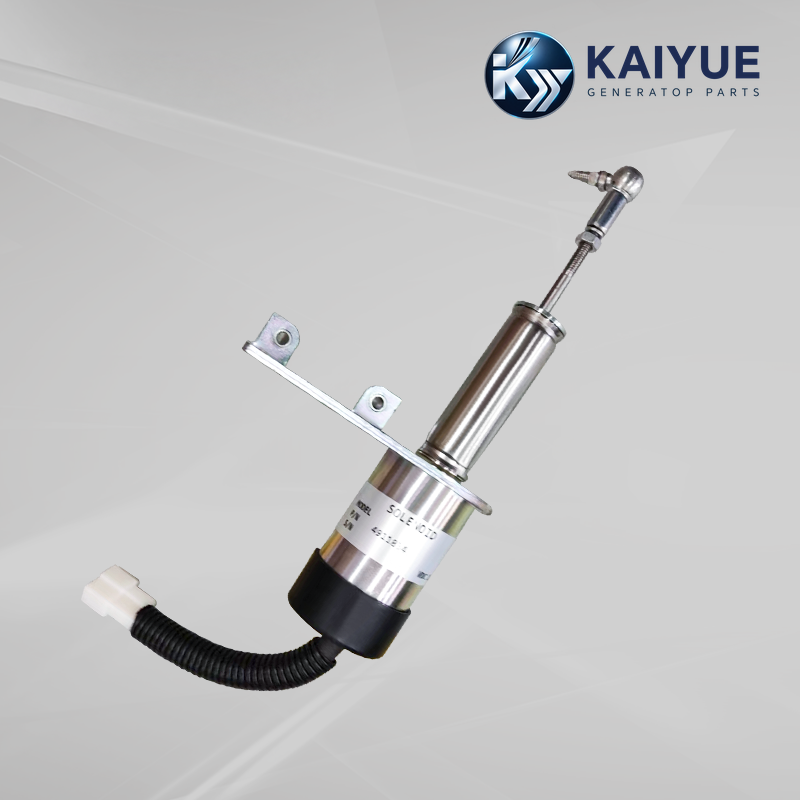
Cummins Diesel Engine Fuel Stop Solenoid Engine Stop Solenoid 12V/24V 4911834
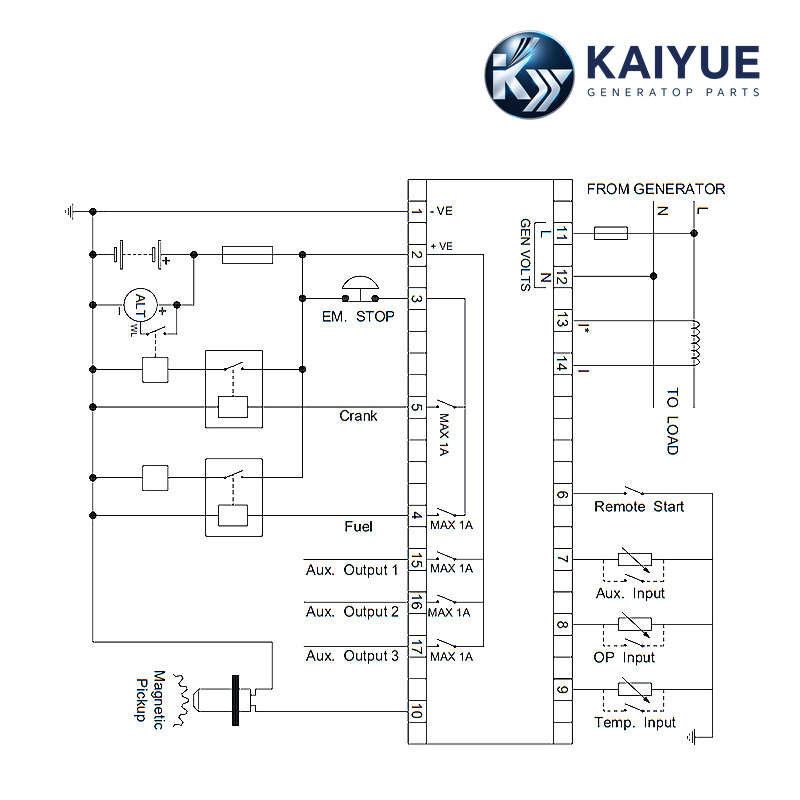
Cummins Diesel Engine Fuel Stop Solenoid Engine Stop Solenoid 12V/24V 4942879
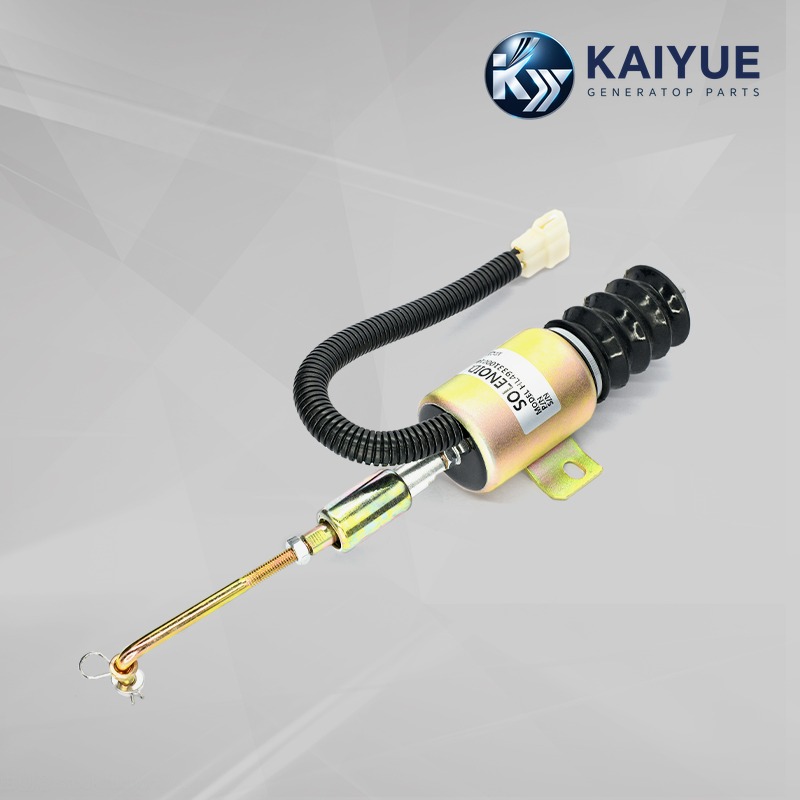
Cummins Diesel Engine Fuel Stop Solenoid Engine Stop Solenoid 12V/24V HL49331000144
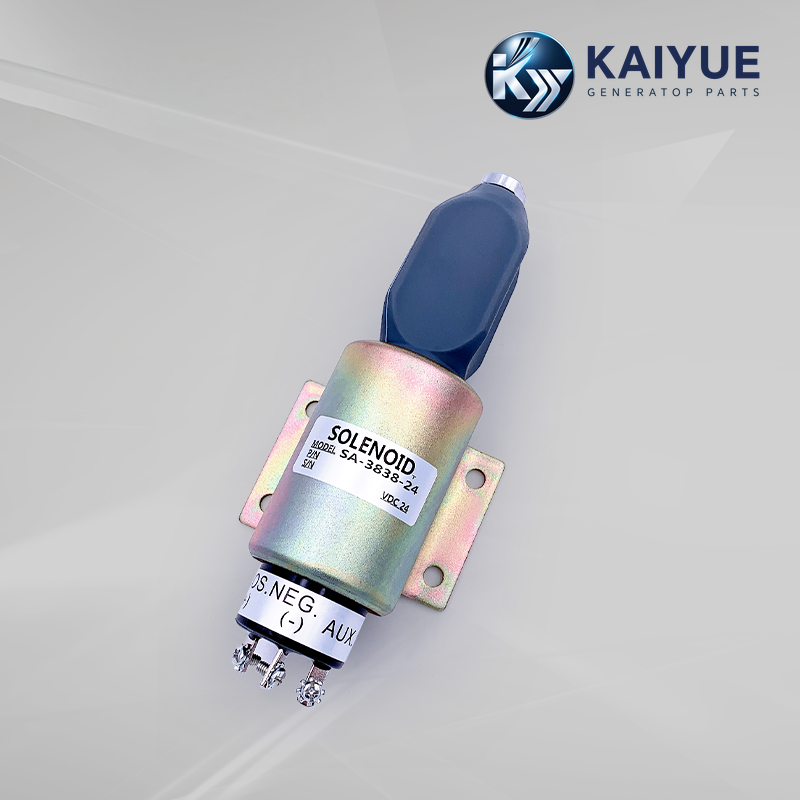
Cummins Diesel Engine Fuel Stop Solenoid Engine Stop Solenoid 12V/24V SA-3838
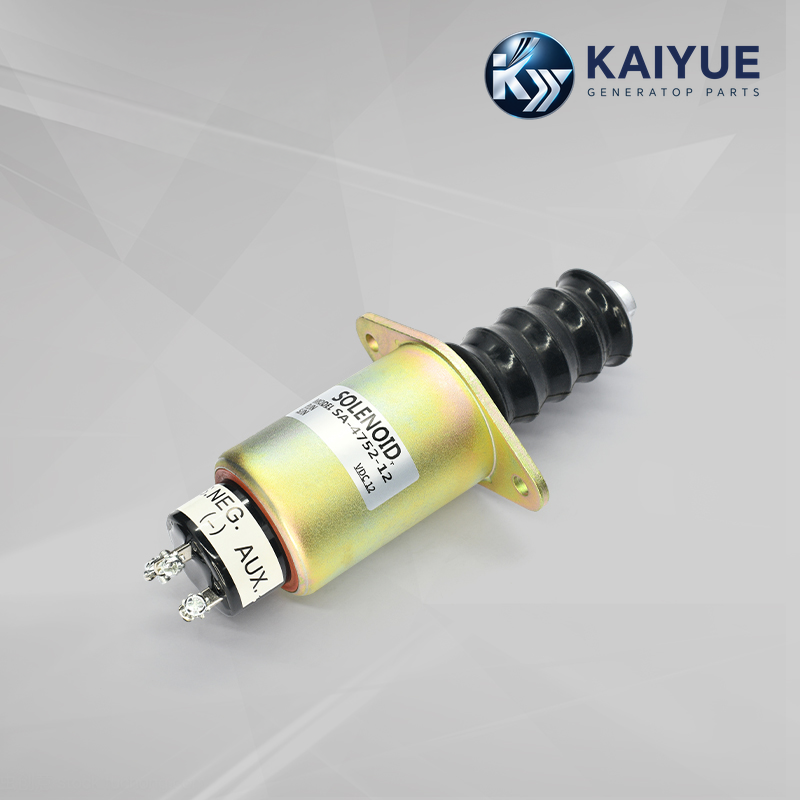
Cummins Diesel Engine Fuel Stop Solenoid Engine Stop Solenoid 12V/24V SA-4752
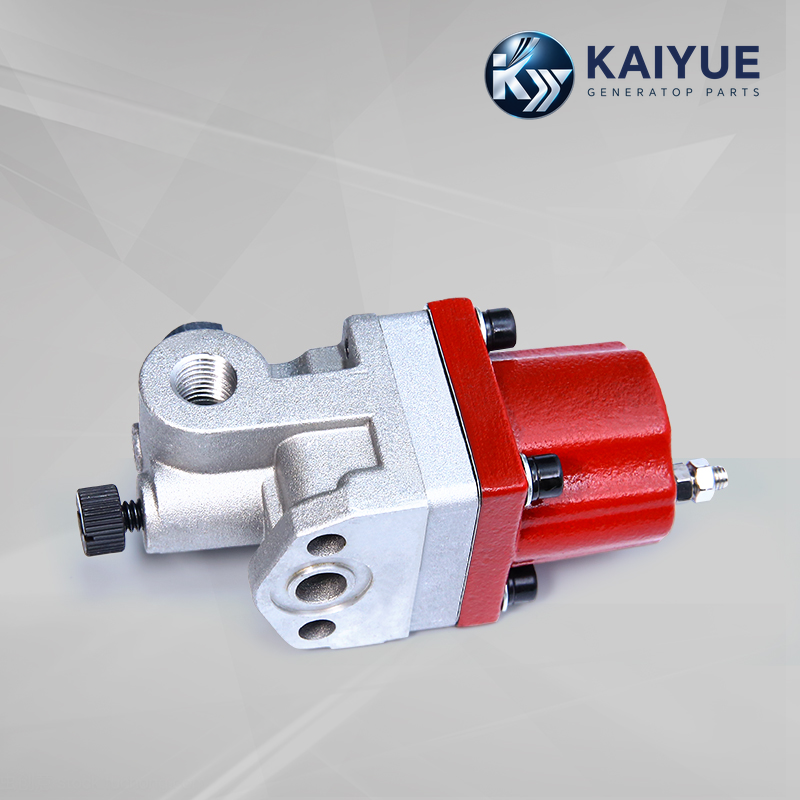
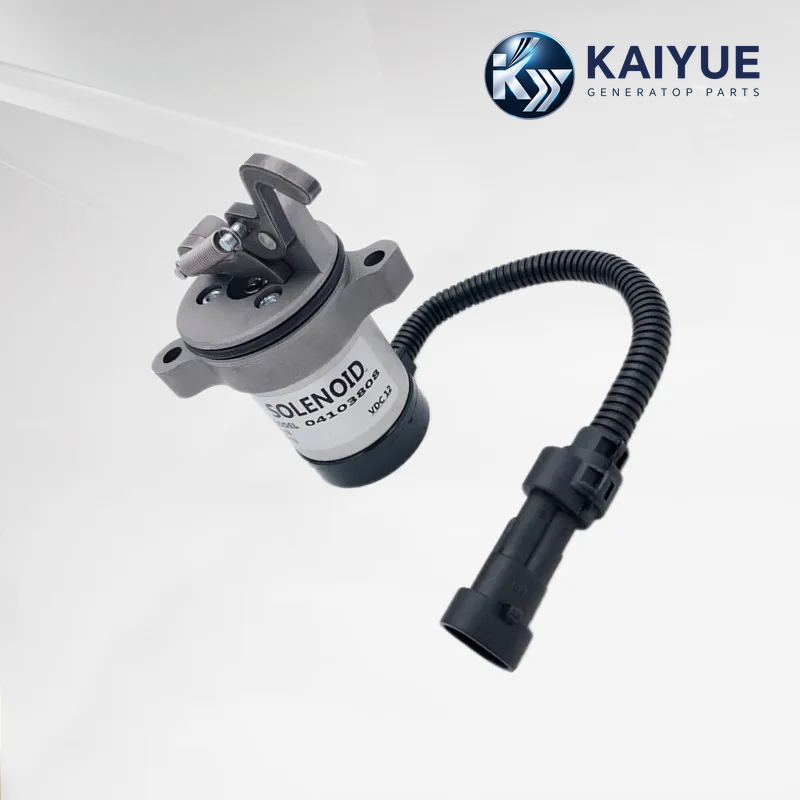
Deutz Diesel Engine Fuel Stop Solenoid Engine Stop Solenoid 12V/24V 04103808
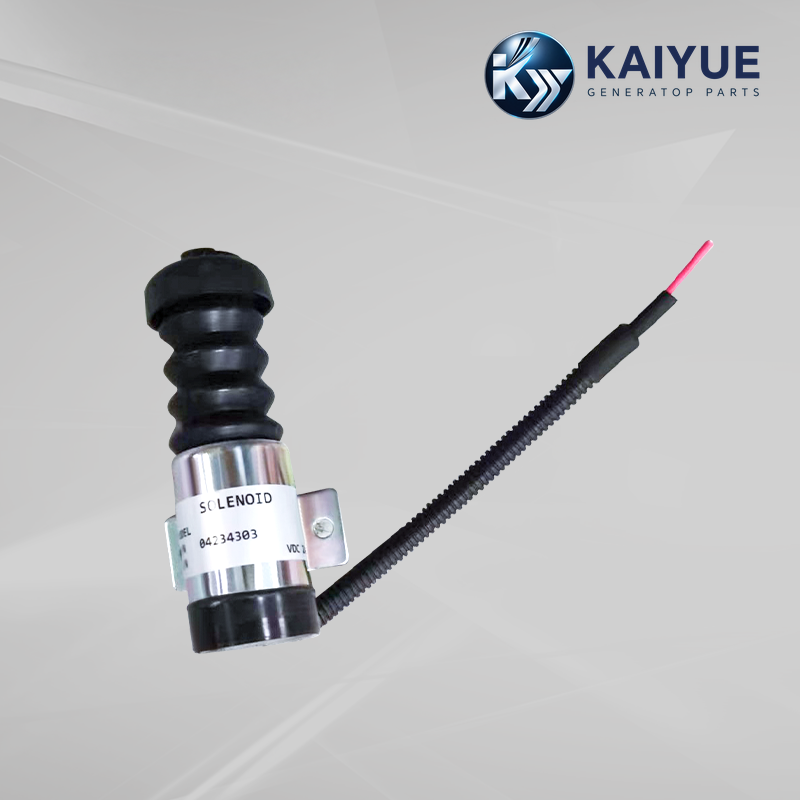
Deutz Diesel Engine Fuel Stop Solenoid Engine Stop Solenoid 12V/24V 04234303
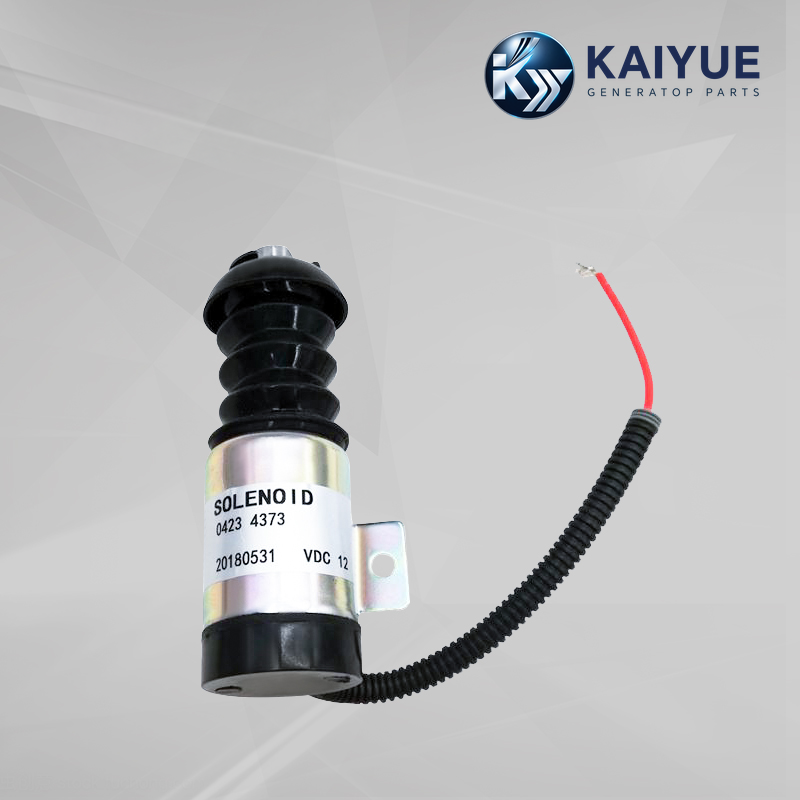
Deutz Diesel Engine Fuel Stop Solenoid Engine Stop Solenoid 12V/24V 04234373
Fuel stop solenoids use a coil and moving plunger to operate a fuel valve or shutdown linkage. Match nominal voltage, connector, plunger stroke and whether the circuit energizes to run or to stop.
The coil creates a magnetic field that moves the plunger. Some designs use a separate pull-in and hold circuit, while others use a single coil. A spring or external linkage provides the return action where fitted.
For crank-no-start or unexpected shutdown, check whether the shutdown linkage moves and returns freely. Use the engine wiring diagram to distinguish a supply fault, a binding linkage and a failed coil.
Compare the complete reference number and voltage for each candidate. Similar brackets or connectors do not establish fit.
Prevent automatic starting, isolate the battery and follow the engine manual for fuel isolation where applicable. Match the linkage position and adjustment, then verify start, normal stop and shutdown operation.
Fuel Shut Off Solenoid guidance for selection, use and purchasing.
Explore more FAQs ↗A fuel shut-off solenoid operates the engine fuel shut-off mechanism, which may be a valve or a mechanical linkage. Energise-to-run and energise-to-stop designs work differently. Match the replacement to the engine arrangement and control circuit.
View this answer in FAQs ↗ETR (energise to run) solenoids require continuous power to keep the engine running, while ETS (energise to stop) solenoids are powered only to shut the engine down. Choosing the wrong type can prevent starting or prevent stopping — confirm the required type for your engine; confirm the specification with our team.
View this answer in FAQs ↗The solenoid voltage must match the engine's DC control system. Check the battery system voltage and the nameplate of the existing solenoid — confirm the specification with our team before ordering.
View this answer in FAQs ↗This often points to a solenoid that is not holding in the run position, a weak hold coil, low control voltage or a wiring fault. Measure the control voltage at the solenoid during cranking and after start.
View this answer in FAQs ↗Overheating is commonly caused by the pull-in coil staying energised instead of handing over to the hold coil, by incorrect supply voltage, or by mechanical binding of the plunger. Inspect linkage movement and the control circuit.
View this answer in FAQs ↗Match the part number, the voltage, the ETR/ETS type, the mounting arrangement and the plunger travel. Send the original part number and photos so the correct reference can be confirmed — confirm the specification with our team.
View this answer in FAQs ↗A different brand may be usable when the electrical type, voltage, mounting and stroke are equivalent. Interchangeability must be confirmed for each specific reference — confirm the specification with our team.
View this answer in FAQs ↗Testing depends on the solenoid wiring, rated voltage and duty cycle. Dual-coil designs have separate pull-in and hold circuits; the pull-in circuit must not be treated as a continuous-duty supply. Have a qualified technician follow the exact model instructions and provide the part number and test findings to our team.
View this answer in FAQs ↗Yes. A slow or partially closing solenoid can delay fuel cut-off and extend engine run-down. Repeated slow shutdowns should be investigated rather than ignored.
View this answer in FAQs ↗Send the existing part number, engine make and model, system voltage, solenoid type (ETR/ETS), required quantity and clear photos of the mounting position. ---
View this answer in FAQs ↗Guidance varies by model and installation. Confirm specifications and suitability for your selected part with our team.
Send a model number, reference photo or application details to our team.
