

KAIYUE / PROFESSIONAL PRODUCTS
Oil Pressure Sensors.
Find your next part.
Oil Pressure Sensors monitor lubrication pressure in a generator engine. A sender converts pressure into an electrical reading, while a pressure switch changes state at a specified threshold. During maintenance, inspect for leaks at the fitting and check the connector. Match thread, pressure range and signal type to the panel.
4PRODUCTS TO EXPLORE
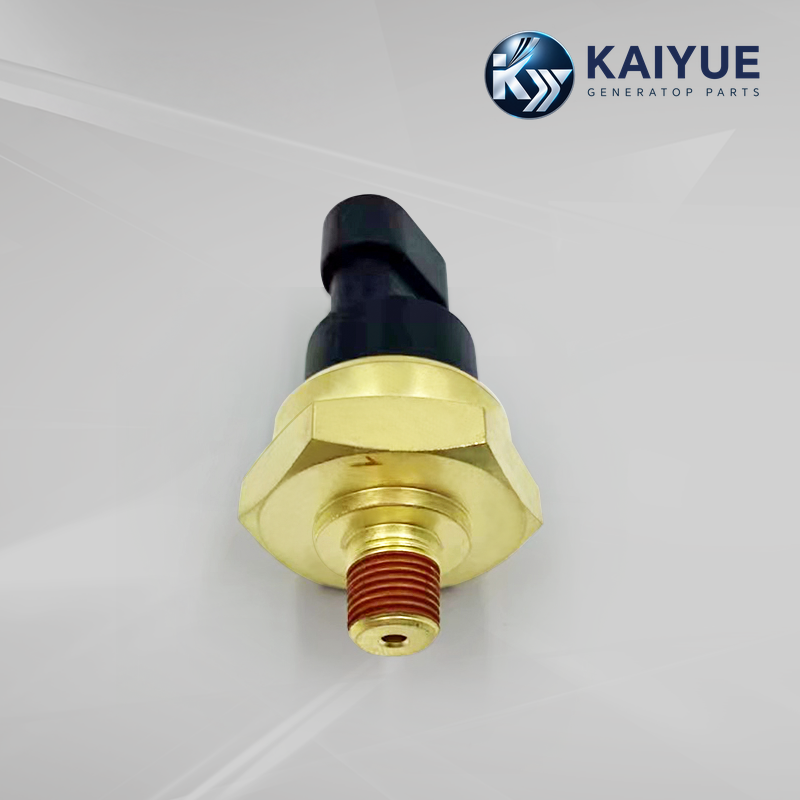
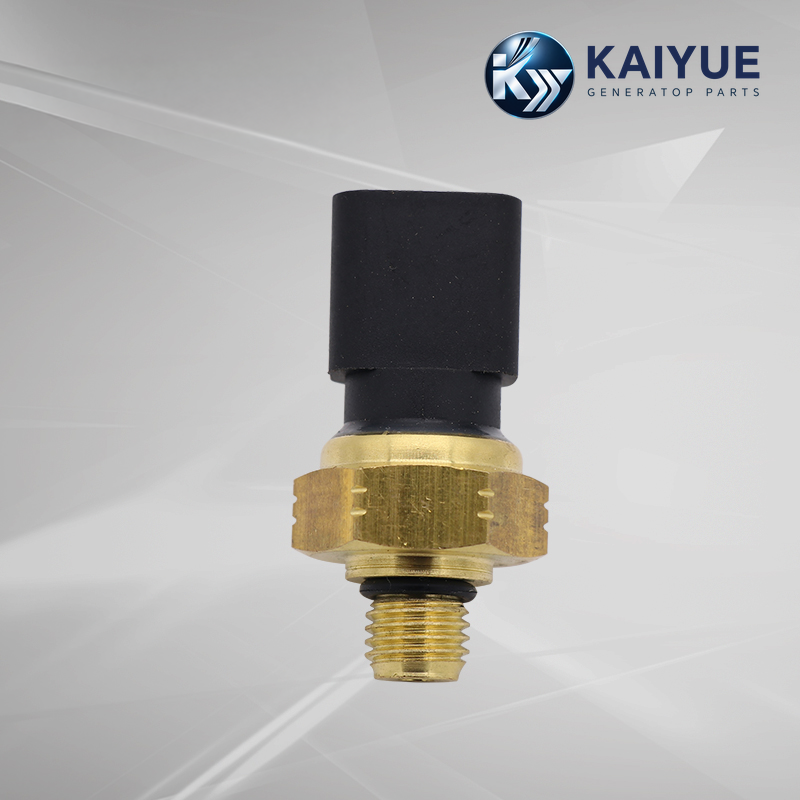
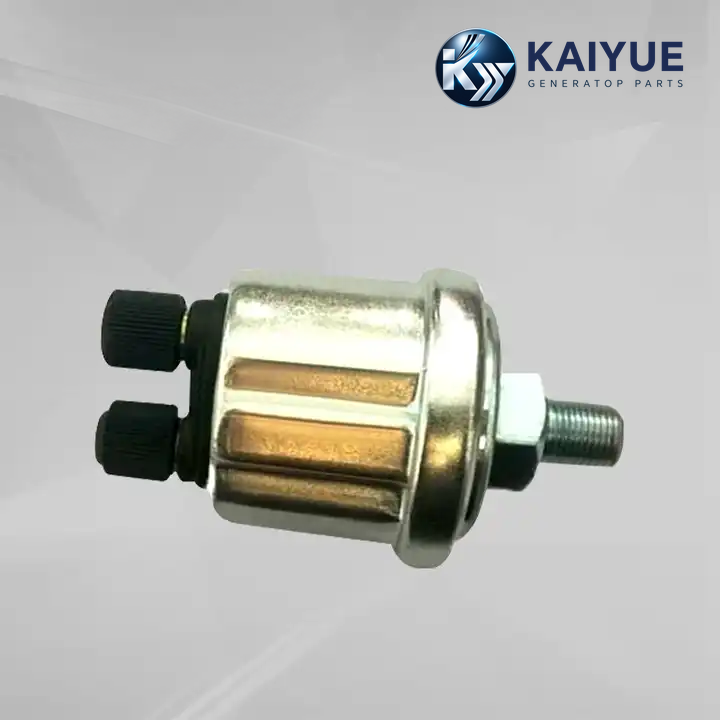
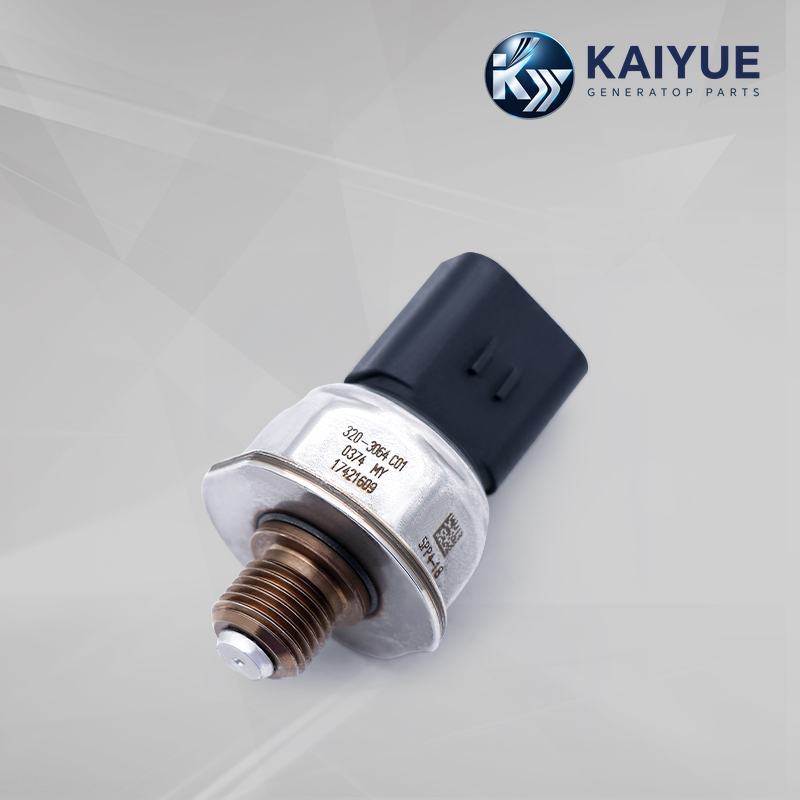
Generator Sensor
1/8
VDO Oil Pressure Sensor High Quality Generator OEM Supplier Oil Pressure Sensor NPT 1/8 0-10Bar
Oil Pressure Sensors Technical Guide
Product features
Oil pressure senders, switches and transducers differ in port thread, range and signal type. Some installations use separate devices for indication and shutdown.
How it works
Pressure acts on a sensing element. The resulting signal can vary with pressure or switch at a calibrated threshold, depending on the design.
Troubleshooting
When the panel reports low oil pressure, follow the engine's stop procedure. A technician should verify actual pressure before attributing the reading to the sender.
Replacement options
Compare part number, port thread and electrical characteristic. Match switch action or sender curve to the panel and the engine requirements.
How to replace it
Stop the engine and follow the service instructions before opening the port. Use the specified fitting and seal, then check for leaks and verify the indicated pressure.
PRODUCT GUIDANCE
Frequently asked questions
Oil Pressure Sensors guidance for selection, use and purchasing.
Explore more FAQs ↗What does an oil pressure sender do?+
It measures engine lubricating oil pressure and sends the signal to a gauge or controller for indication and low-pressure shutdown protection.
View this answer in FAQs ↗How do I select the correct pressure range?+
The sender range must cover the engine's normal and alarm pressures. Confirm the required range for your engine — confirm the specification with our team.
View this answer in FAQs ↗What is the difference between a pressure switch and a pressure sender?+
A switch provides a single alarm contact at a set point, while a sender provides a continuous pressure signal. Controllers may use either, depending on configuration.
View this answer in FAQs ↗Why does the controller shut down on low oil pressure when pressure is normal?+
This can indicate a faulty sender, mismatched sender curve, wiring fault or an incorrectly configured shutdown threshold. Compare the gauge reading with a mechanical test gauge.
View this answer in FAQs ↗What thread size is required?+
Thread size and sealing type must match the engine port. Confirm the specification before ordering — confirm the specification with our team.
View this answer in FAQs ↗Can vibration damage an oil pressure sender?+
Yes. Direct mounting on a vibrating engine can shorten sender life, so flexible mounting arrangements are sometimes used. Confirm the recommended mounting — confirm the specification with our team.
View this answer in FAQs ↗How do I test an oil pressure sender?+
Measure its resistance or output at known pressures and compare against the specification. Confirm reference values — confirm the specification with our team.
View this answer in FAQs ↗Should I replace the sender or the gauge first?+
Compare readings against an independent test gauge to identify whether the fault is in the sender, wiring or indication device before replacing parts.
View this answer in FAQs ↗Can I use a sender with a different resistance curve?+
No, unless the gauge or controller can be reconfigured for that curve. A mismatch produces incorrect readings and unreliable protection.
View this answer in FAQs ↗What details should accompany an enquiry?+
Provide the existing part number, pressure range, thread size, gauge or controller model, engine model, quantity and photos. ---
View this answer in FAQs ↗Guidance varies by model and installation. Confirm specifications and suitability for your selected part with our team.
Not sure which part you need?
Send a model number, reference photo or application details to our team.
