

KAIYUE / PROFESSIONAL PRODUCTS
Generator Charger.
Find your next part.
A generator charger maintains the starter battery so a standby genset can crank after long periods at rest. It converts AC input to regulated DC, and compatible models use charging stages matched to battery conditions. During service, inspect fuse protection and cable connections, then compare charging voltage with the battery specification.
13PRODUCTS TO EXPLORE
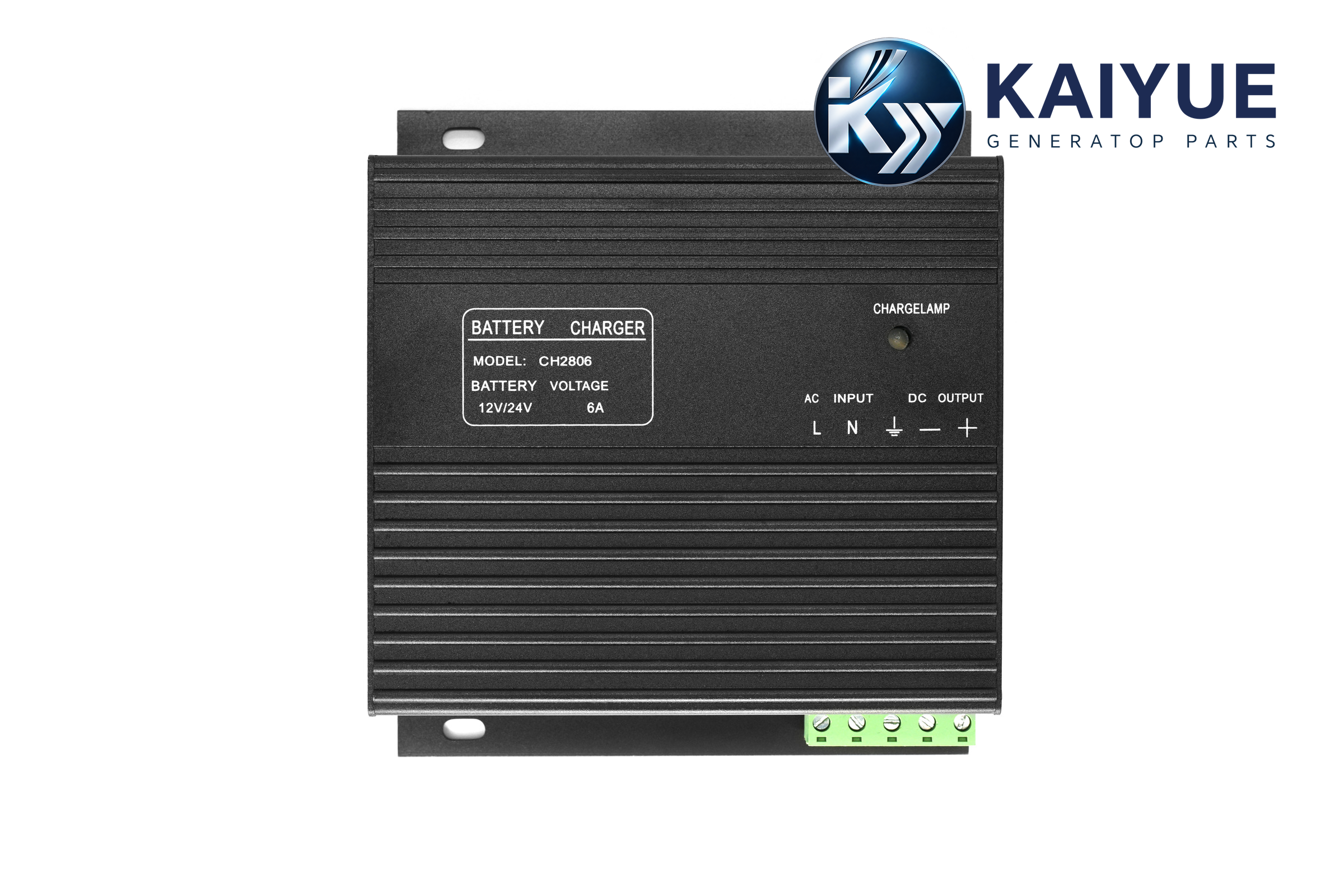
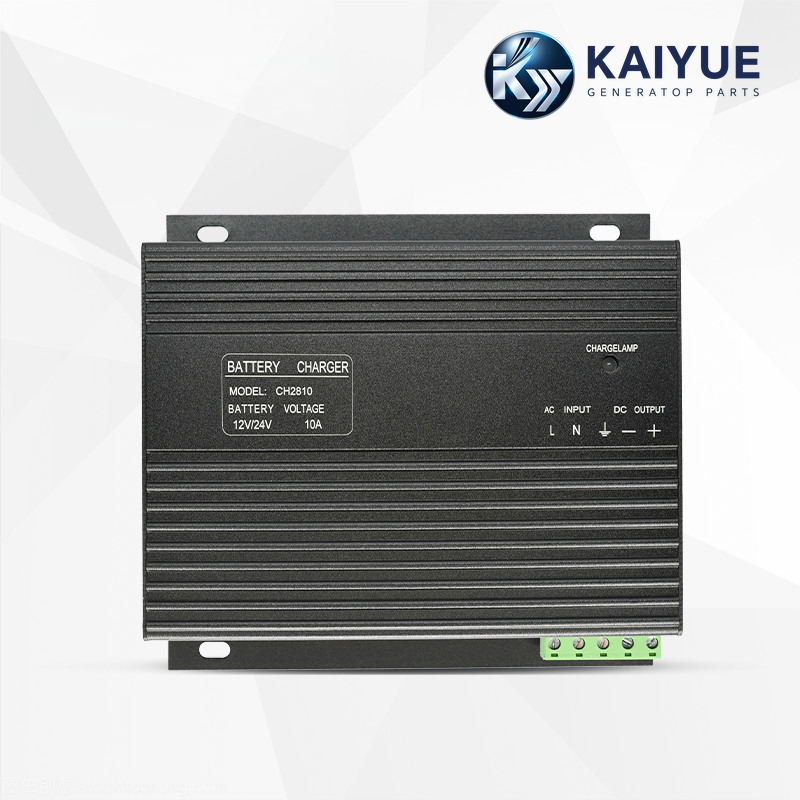
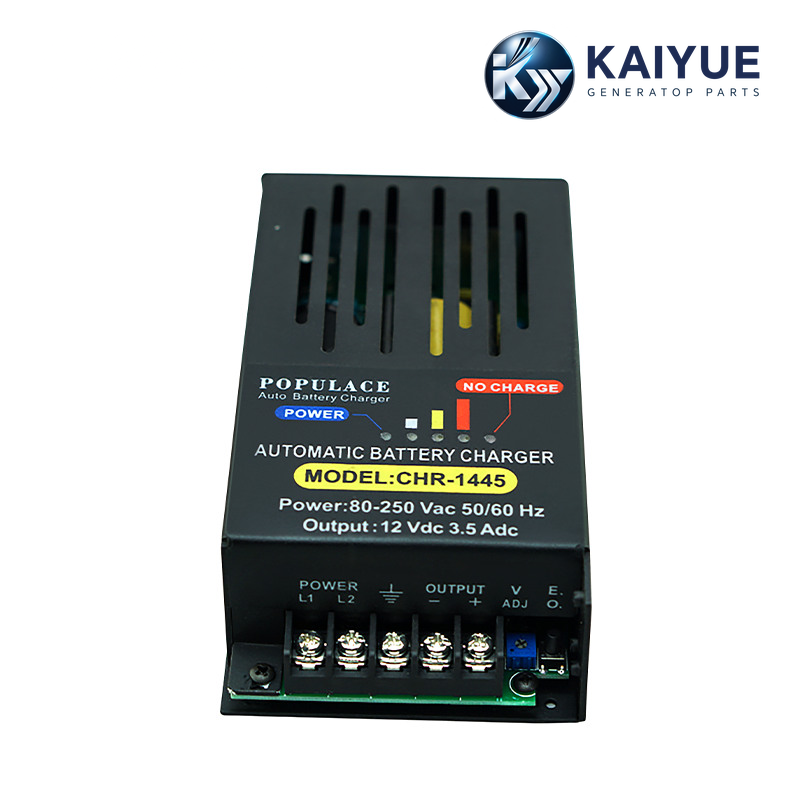
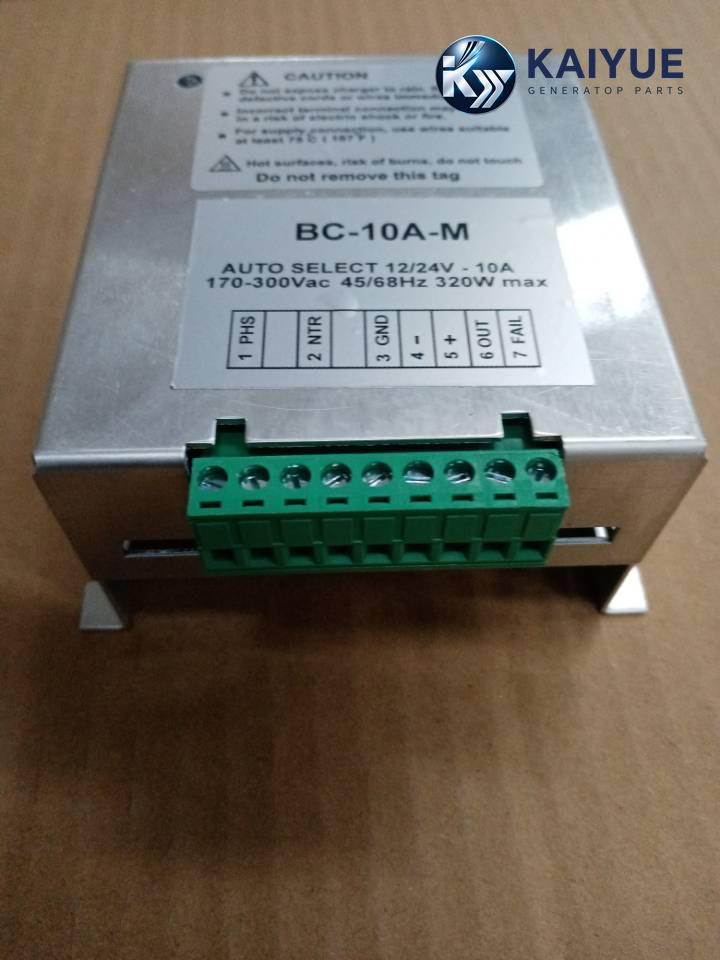

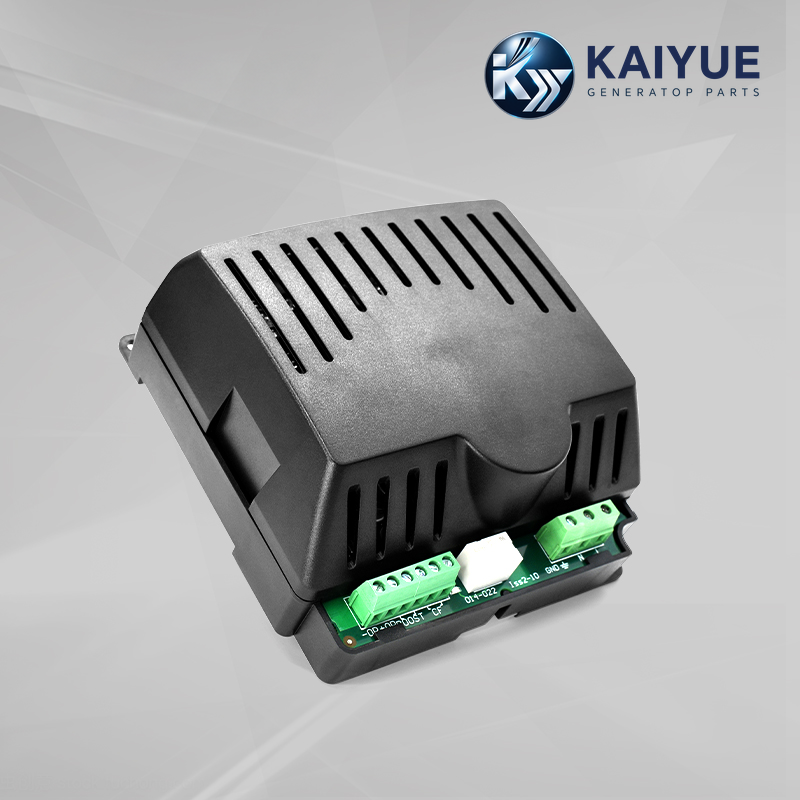
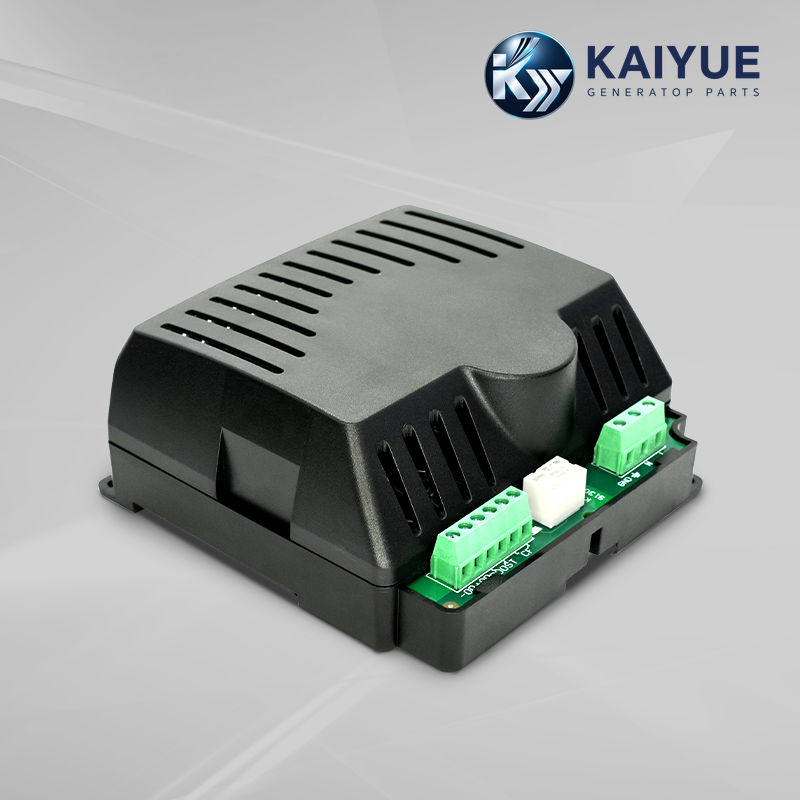
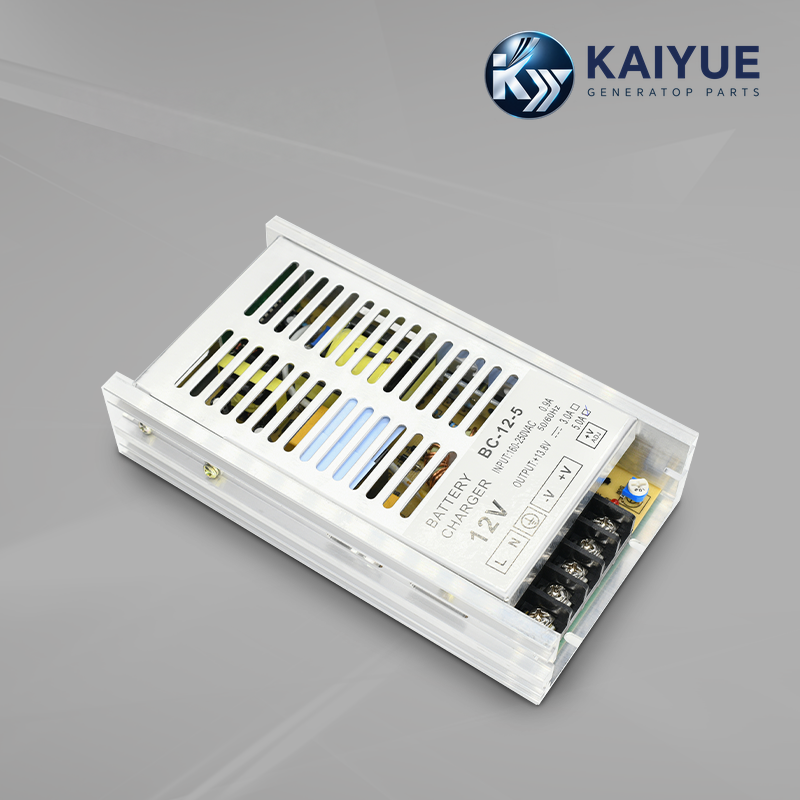
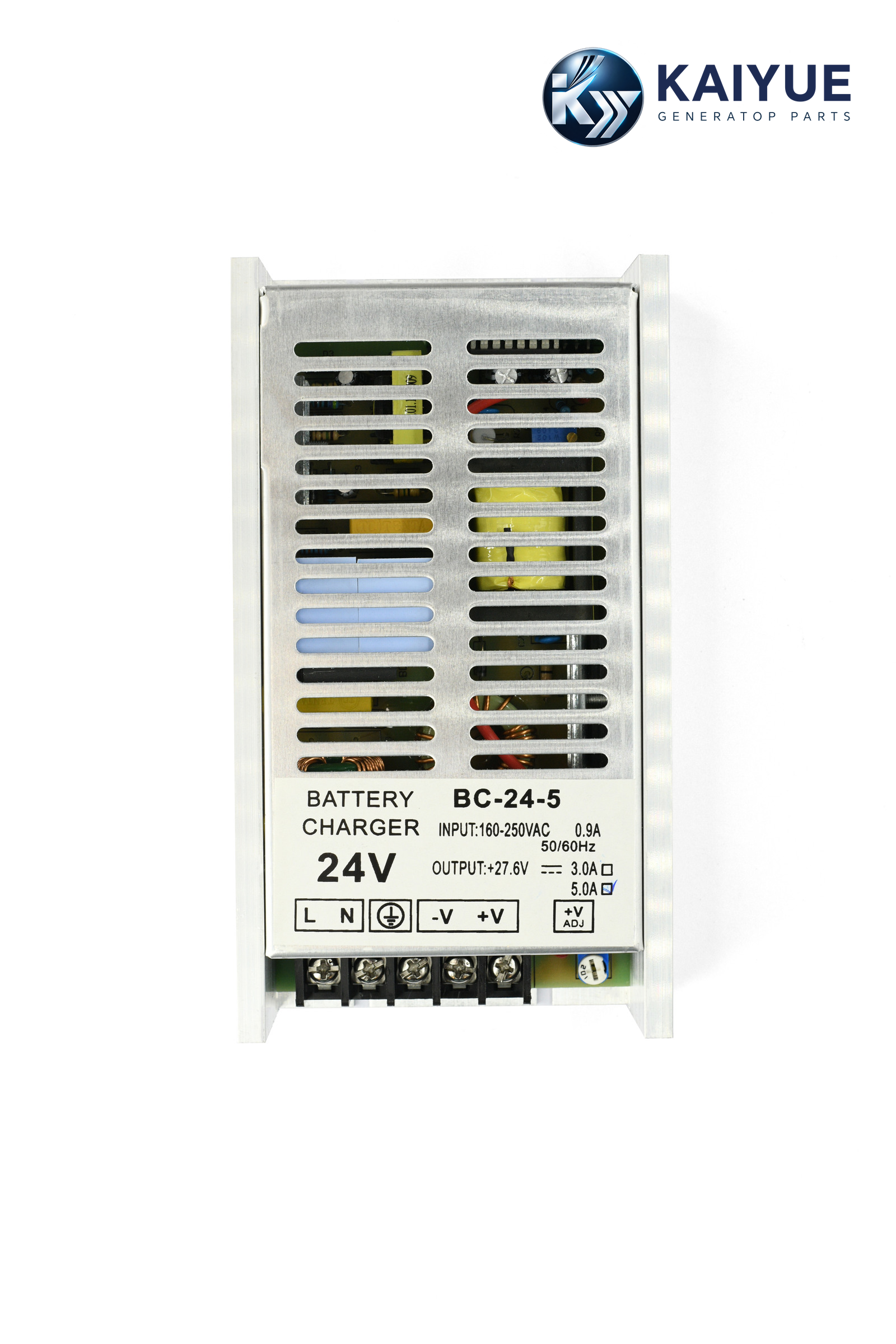
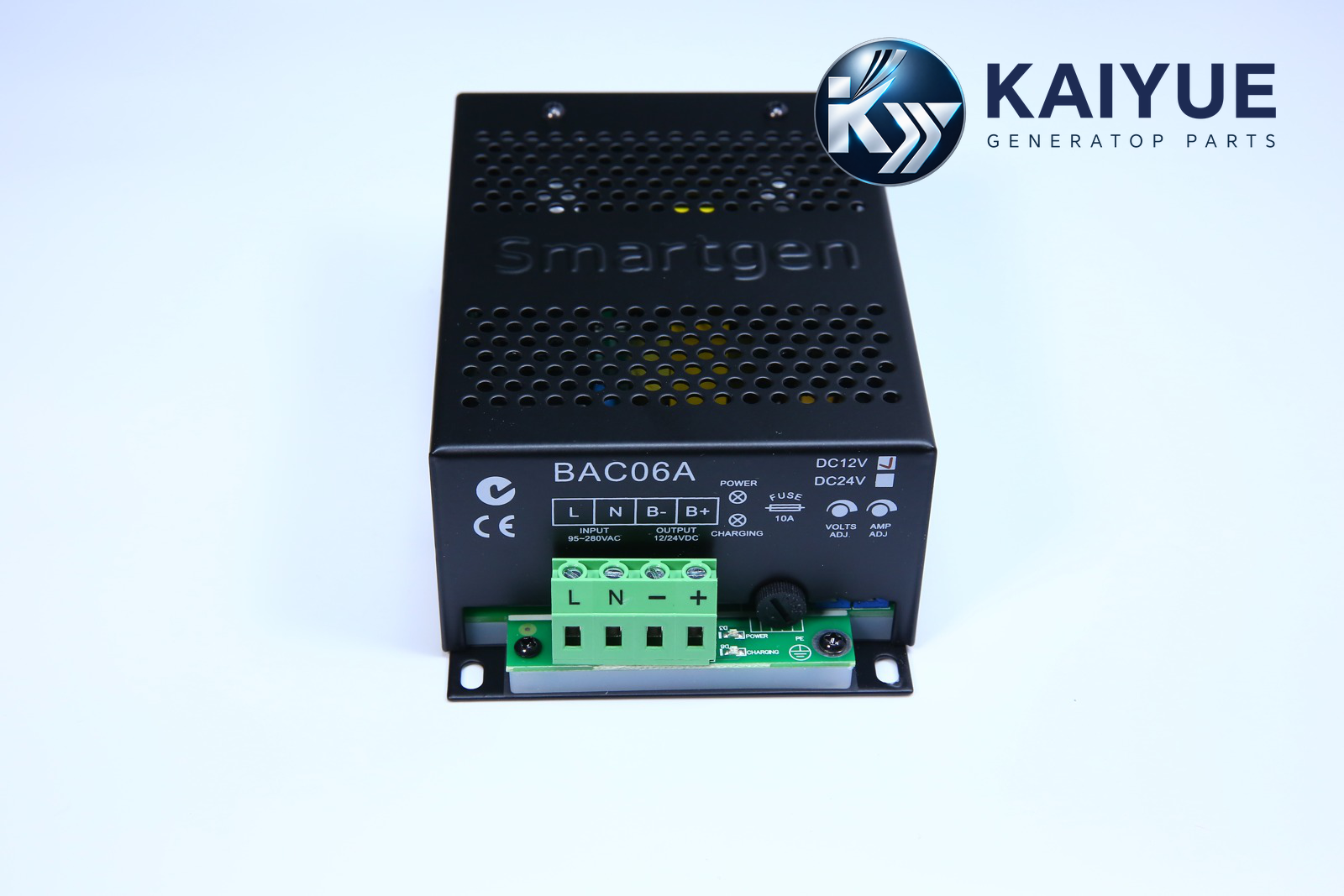
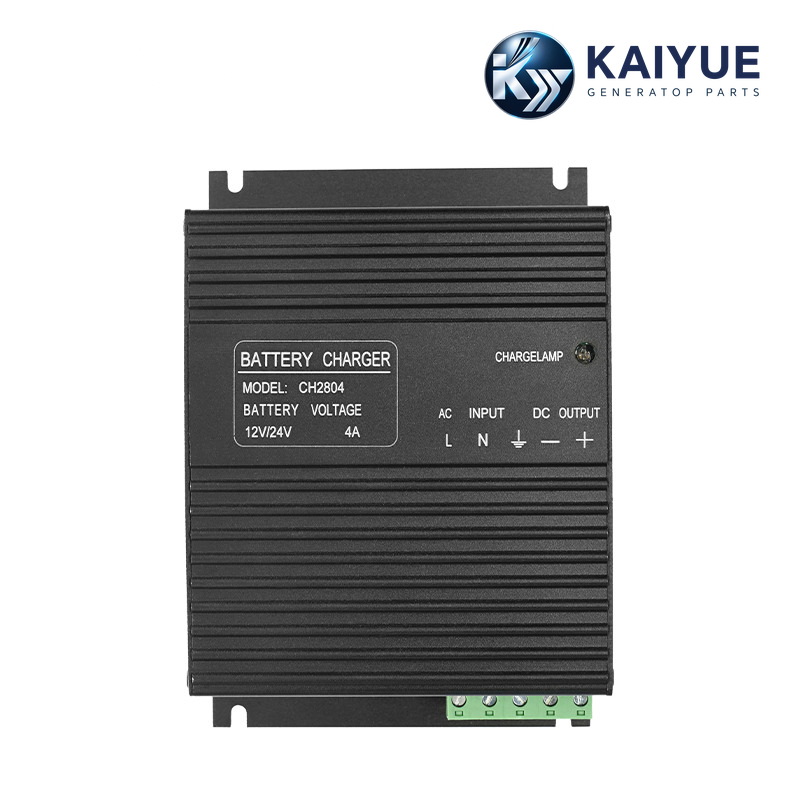
Generator Charger Technical Guide
Product features
Generator battery chargers are selected by battery voltage, chemistry, charge current and AC supply. An alarm contact or float setting may also matter in an unattended standby panel.
How it works
A charger converts AC to regulated DC. Depending on the design, it manages battery recovery and shifts to a maintenance voltage once charging conditions are met.
Troubleshooting
If batteries fail to stay charged, check AC feed, DC fuse and battery connections. Compare measured charger output and battery condition with their respective specifications.
Replacement options
Compare the listed charger's voltage selection, output current and charging profile with the battery and the original charger.
How to replace it
Isolate AC and battery feeds according to the charger manual. Label polarity and alarm connections, then verify charging voltage, current and any alarm functions after installation.
PRODUCT GUIDANCE
Frequently asked questions
Generator Charger guidance for selection, use and purchasing.
Explore more FAQs ↗What does a generator battery charger do?+
It keeps the starting battery charged while the generator is idle, so the set can start reliably when required. Chargers are commonly powered from the utility supply in standby installations.
View this answer in FAQs ↗How do I select the correct charger output voltage?+
Charger voltage must match the battery system, typically 12 V or 24 V in generator applications. Confirm the battery configuration before ordering — confirm the specification with our team.
View this answer in FAQs ↗What charging current do I need?+
Required current depends on battery capacity, standby duration and recharge expectations. Confirm the recommended current for your battery bank — confirm the specification with our team.
View this answer in FAQs ↗Why does my battery keep failing even with a charger fitted?+
Repeated battery failure can result from an incorrectly set charger, an ageing battery, high parasitic load, or extreme ambient temperature. Measure charging voltage and battery condition.
View this answer in FAQs ↗Can one charger support two batteries?+
Some chargers support multiple outputs or parallel battery banks, others do not. Confirm the capability of the specific model — confirm the specification with our team.
View this answer in FAQs ↗What is the difference between float and boost charging?+
Float charging maintains a compatible battery near its charged state, while a boost or bulk stage can provide a higher recharge rate within the battery limits. The correct charging profile depends on battery chemistry, temperature and the charger design. Confirm the required profile for your battery bank.
View this answer in FAQs ↗Does the charger need to communicate with the generator controller?+
Many installations only require a charge-fail alarm contact, but integration depends on the control system. Confirm the required interface — confirm the specification with our team.
View this answer in FAQs ↗Why is the charger showing an alarm?+
Alarms typically indicate loss of AC supply, battery disconnection, output fuse failure or a fault condition. Check supply, fuses and battery terminals first.
View this answer in FAQs ↗Can the charger be mounted inside the generator canopy?+
Mounting depends on temperature, vibration and protection requirements for the specific unit. Confirm installation limits — confirm the specification with our team.
View this answer in FAQs ↗What should I provide for a charger enquiry?+
Provide battery voltage and capacity, required charging current, AC input voltage, alarm requirements, mounting constraints and quantity. ---
View this answer in FAQs ↗Guidance varies by model and installation. Confirm specifications and suitability for your selected part with our team.
Not sure which part you need?
Send a model number, reference photo or application details to our team.
