

KAIYUE / PROFESSIONAL PRODUCTS
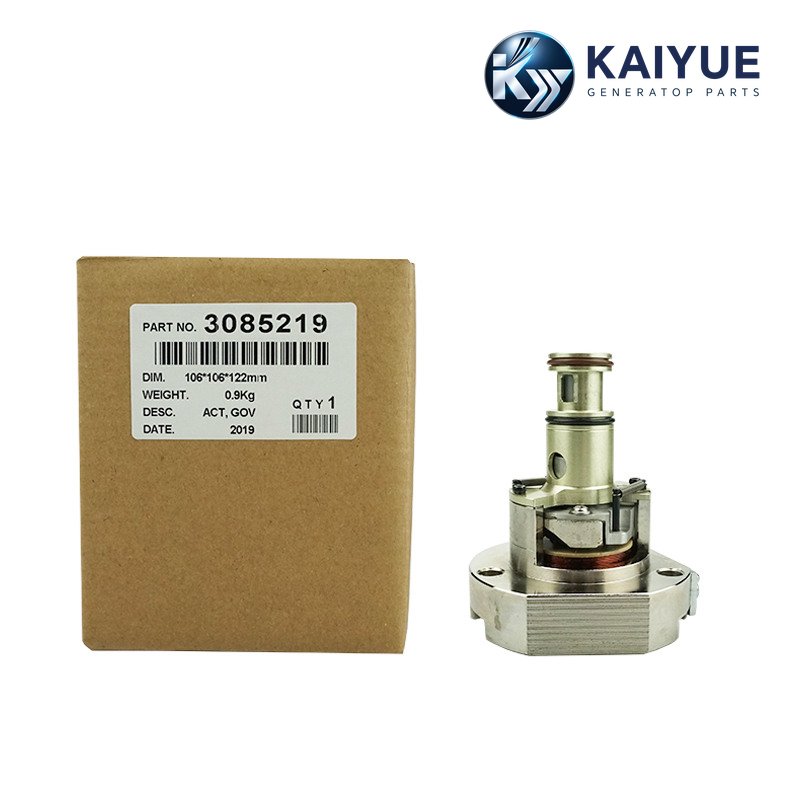
Generator Actuator.
Find your next part.
A generator actuator adjusts the engine fuel linkage in response to a command from the speed governor. The actuator moves the fuel lever as load changes so the engine can recover its target speed. During service, inspect the linkage for binding or excess play and check that the actuator can travel through its specified range.
8PRODUCTS TO EXPLORE
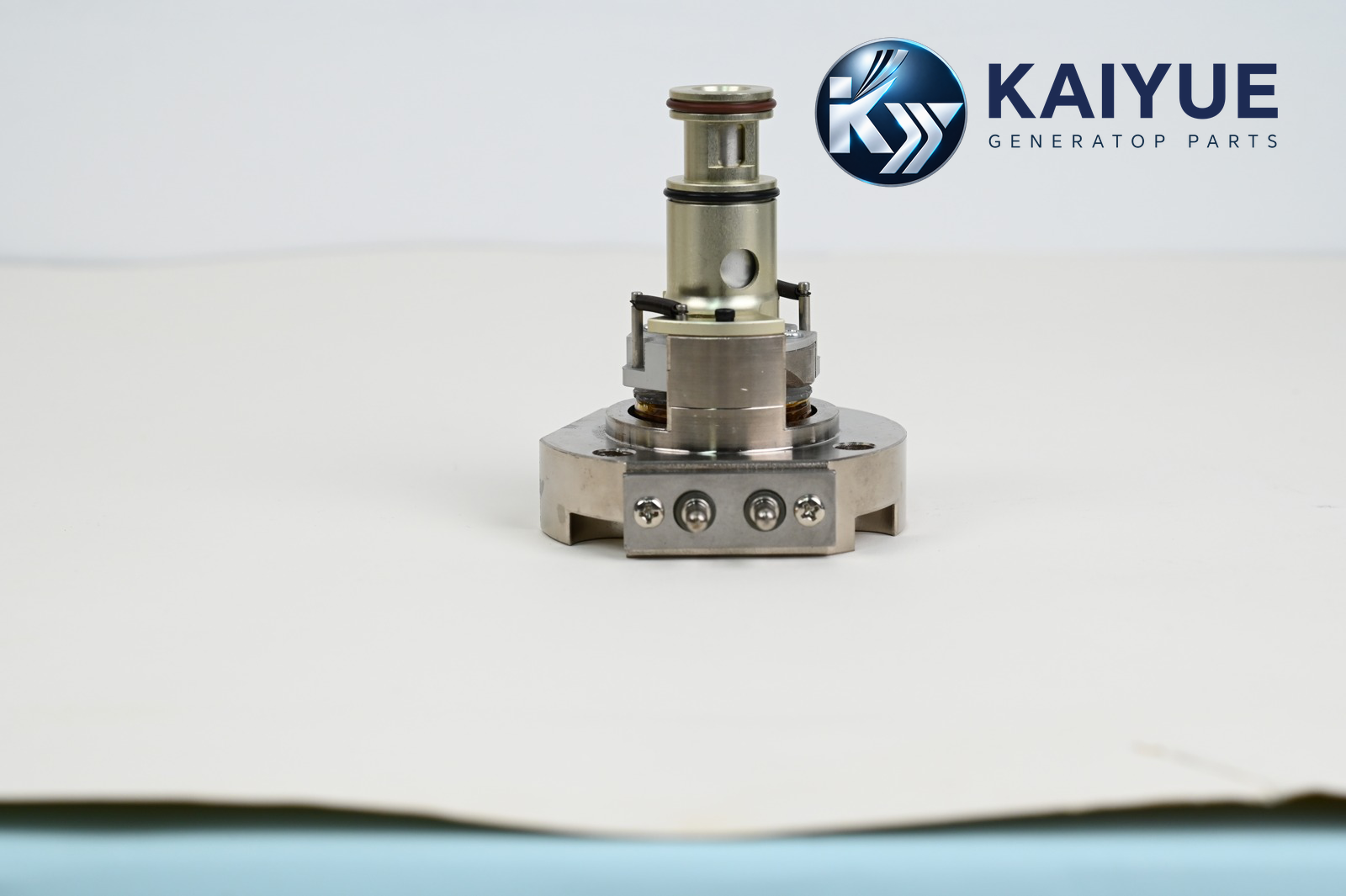
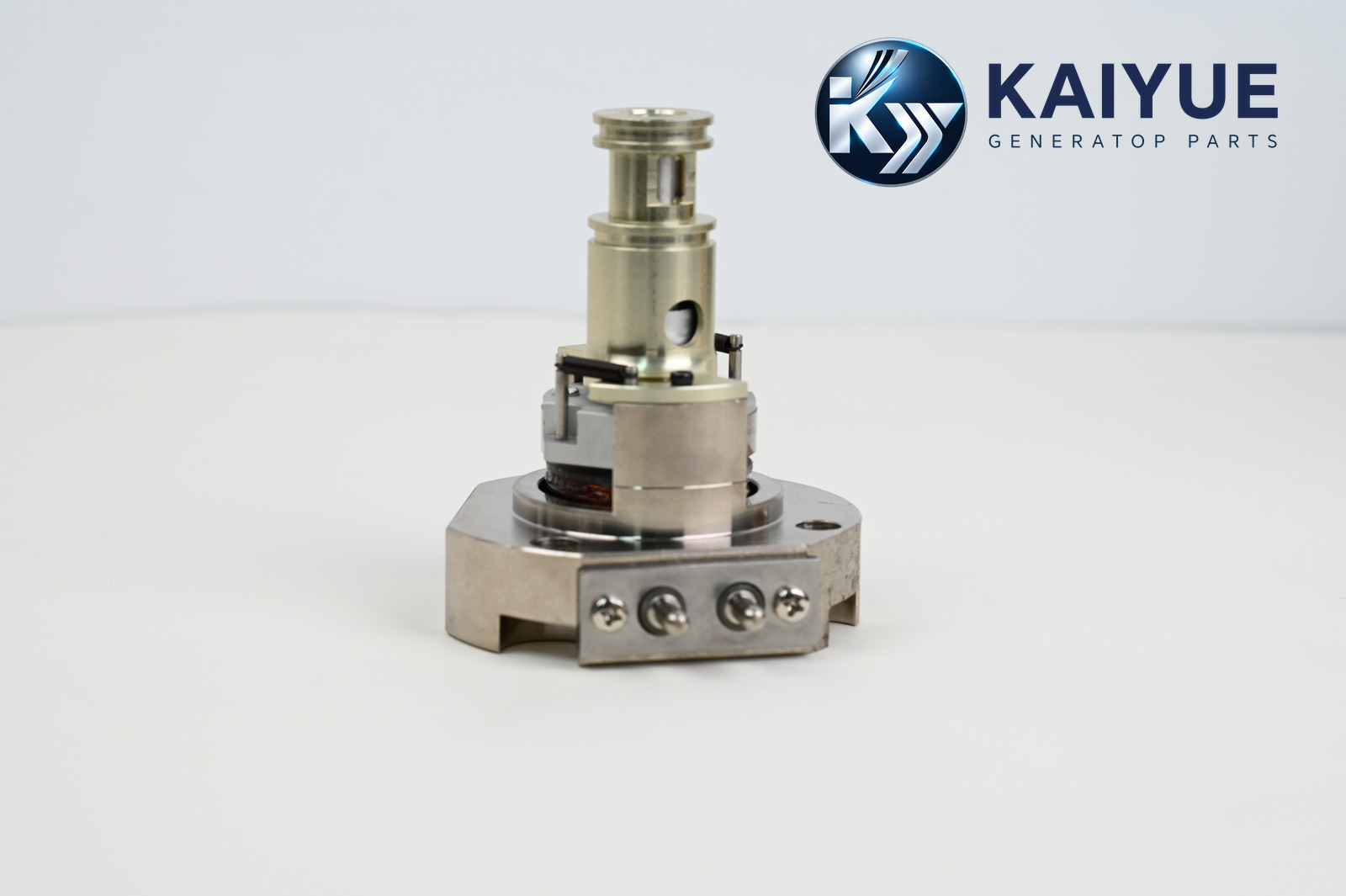
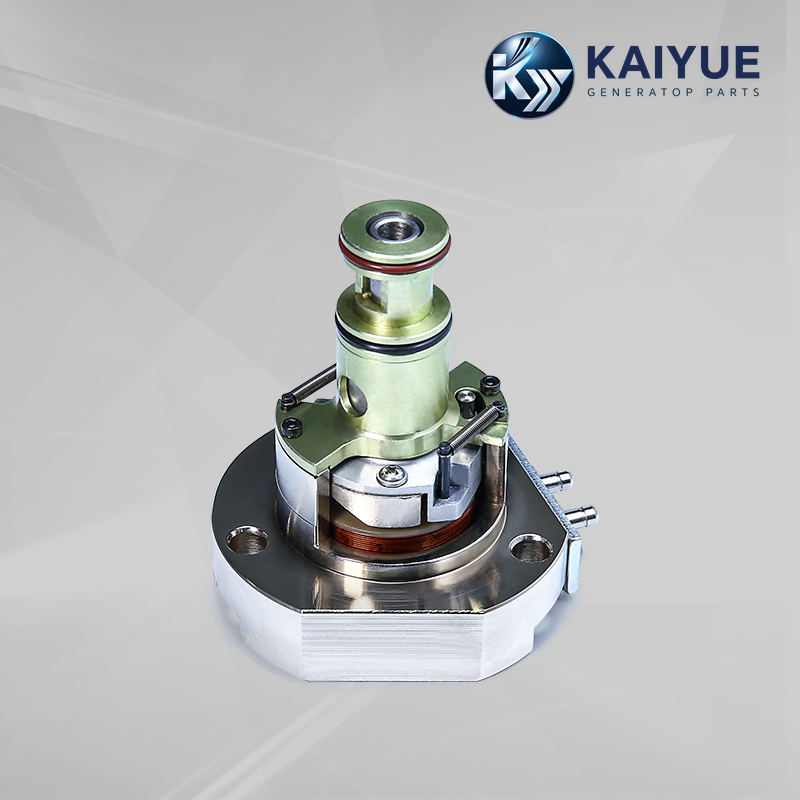
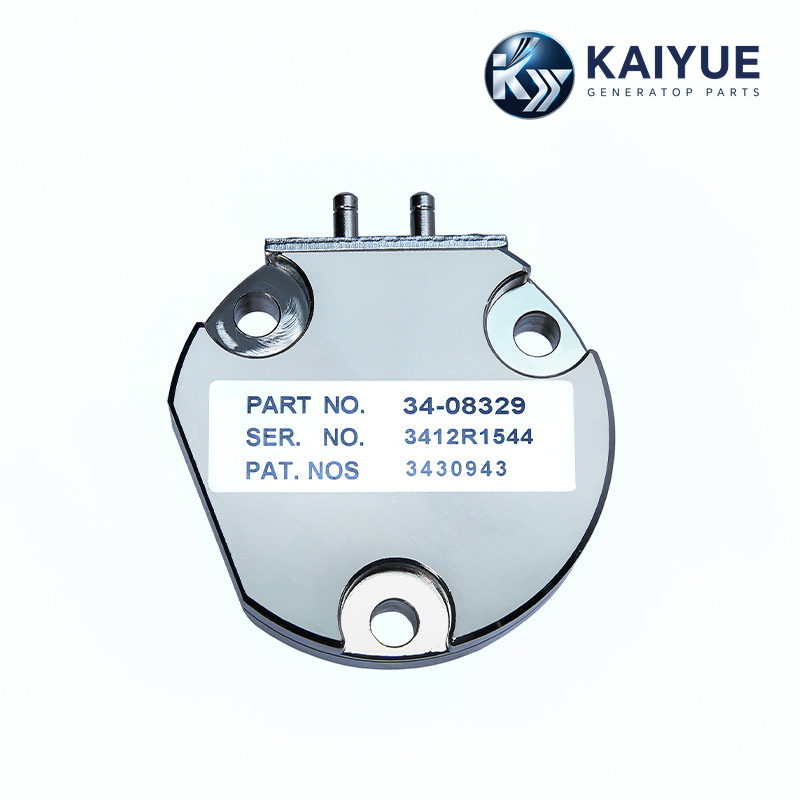
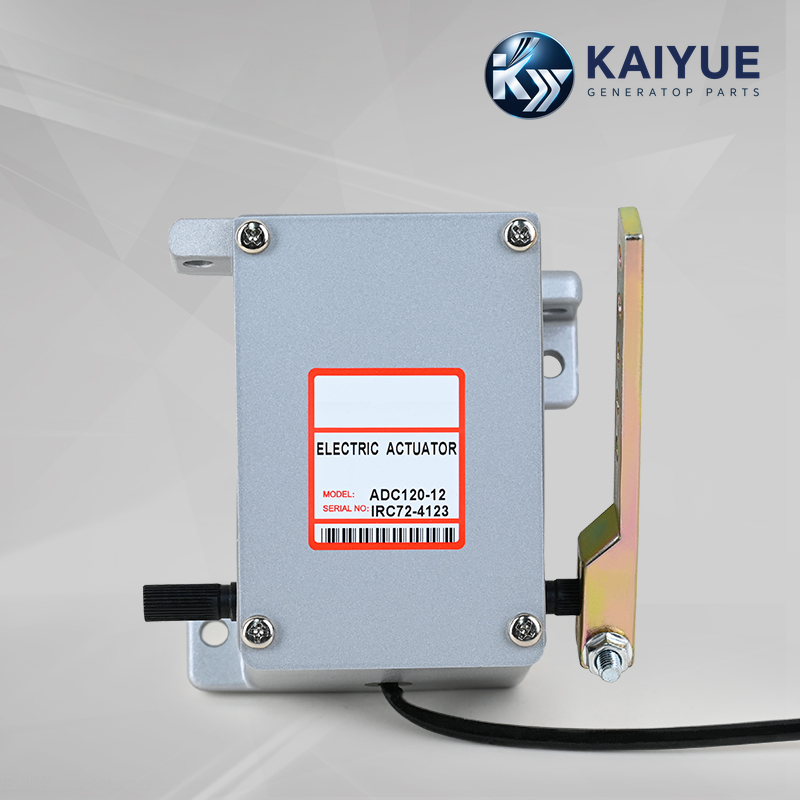
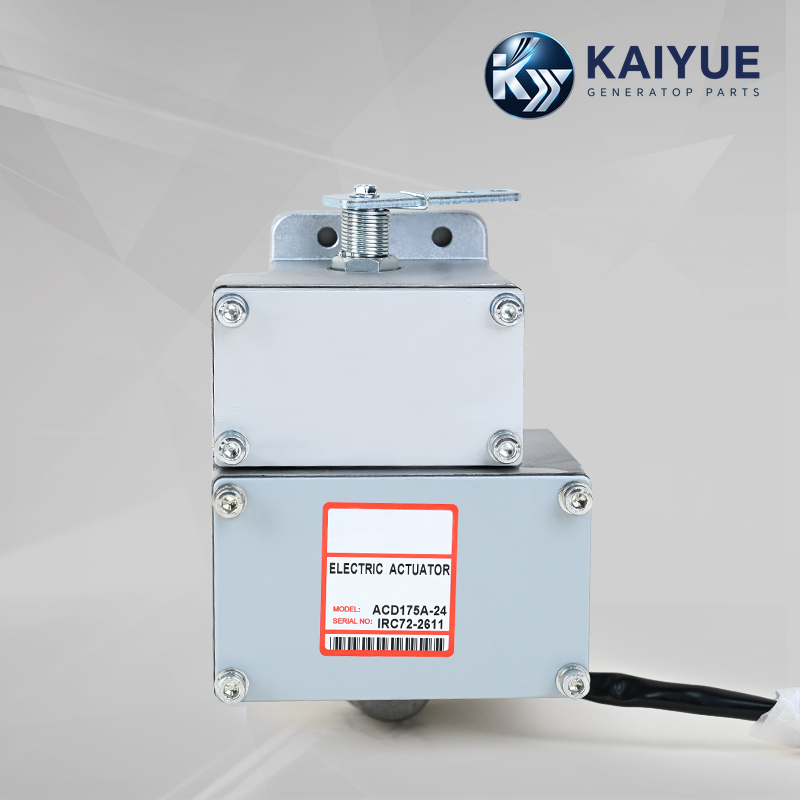
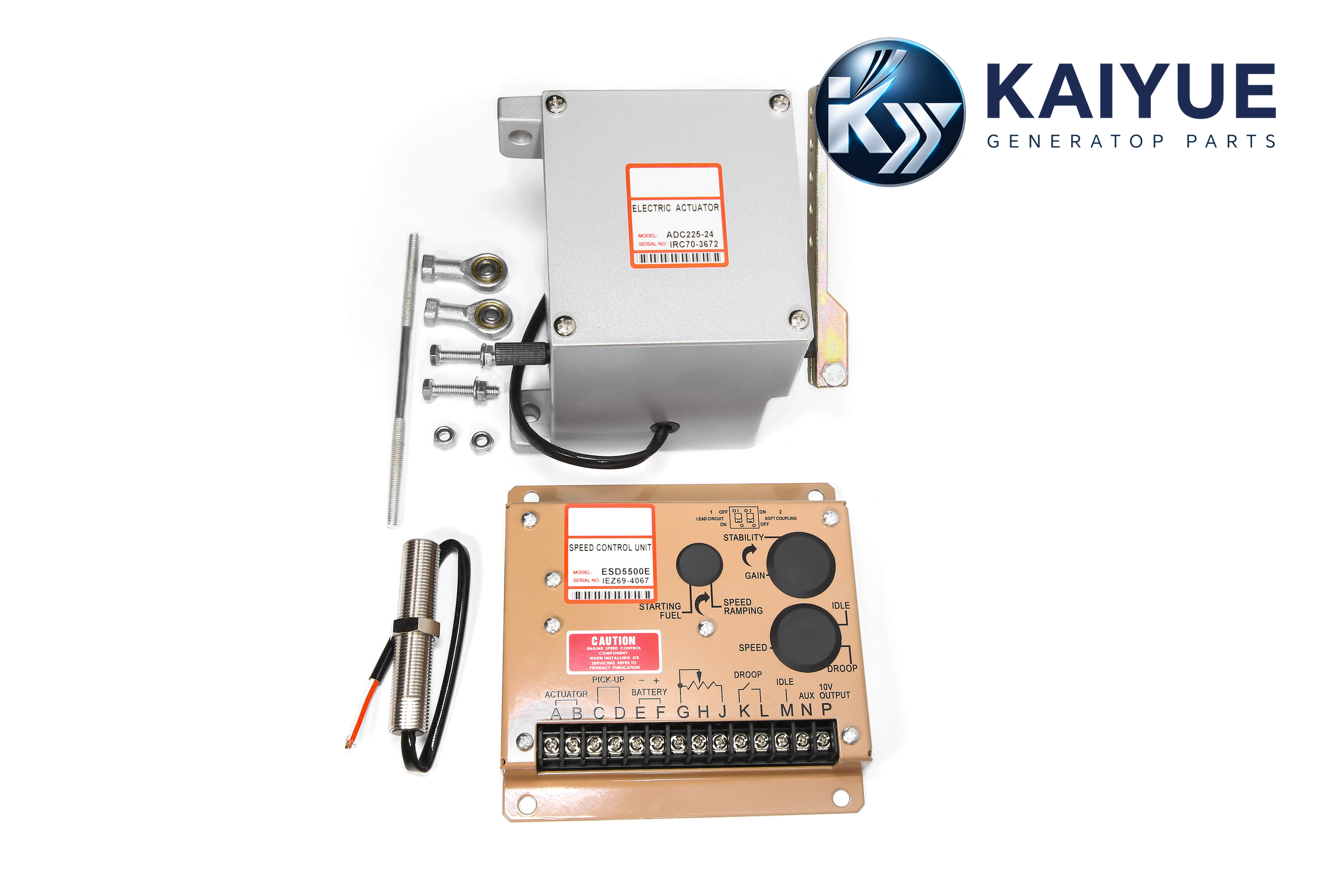
Generator Actuator Technical Guide
Product features
An actuator turns the governor's command into movement at a fuel lever or pump linkage. Available travel, lever geometry and electrical drive determine whether it fits the application.
How it works
As engine speed departs from its target, the governor changes its drive signal. The actuator moves the fuel linkage, changing engine torque so the set can recover speed.
Troubleshooting
For sluggish response, inspect for fuel lever binding, worn joints and restricted travel before replacing electronics. Check for loose actuator wiring using the engine schematic.
Replacement options
Compare the actuator's mounting, electrical drive and linkage travel with the original. Some catalog references are listed by engine part number.
How to replace it
With the set isolated, document the linkage and return mechanism. Follow the engine manufacturer's travel setup and have the technician confirm free movement and independent overspeed protection before testing.
PRODUCT GUIDANCE
Frequently asked questions
Generator Actuator guidance for selection, use and purchasing.
Explore more FAQs ↗What is a generator actuator used for?+
An actuator converts the control signal from a speed controller or governor into mechanical movement of the fuel system. It positions the fuel rack or throttle so engine speed matches the demand.
View this answer in FAQs ↗How is an actuator different from a speed governor?+
The governor or speed controller decides how much fuel is required; the actuator physically moves the fuel control linkage. They work as a pair, and a fault in either one can cause unstable speed.
View this answer in FAQs ↗How do I select the right actuator for my engine?+
Selection depends on the required force or torque, the stroke or rotation, mounting arrangement and the control signal from the existing governor. Confirm these parameters against your engine installation — confirm the specification with our team.
View this answer in FAQs ↗Why is my engine speed hunting or surging?+
Hunting can come from incorrect governor gain settings, worn linkage, a sticking actuator, air in the fuel system or a faulty speed signal. Check linkage freedom and the speed sensor signal before replacing the actuator.
View this answer in FAQs ↗Can I replace only the actuator and keep my existing controller?+
Often yes, provided the electrical interface, drive current and mechanical stroke are compatible. Share both the controller model and actuator reference so compatibility can be reviewed — confirm the specification with our team.
View this answer in FAQs ↗What causes an actuator to move slowly?+
Slow response may result from mechanical binding, worn bearings, insufficient drive current, incorrect supply voltage or contamination in the linkage. Inspect the mechanical path first, then the drive circuit.
View this answer in FAQs ↗Is the actuator linkage adjustment critical?+
Yes. Incorrect linkage geometry can limit full fuel travel or prevent complete shut-off, which affects both load acceptance and shutdown. Set up the linkage according to the engine documentation.
View this answer in FAQs ↗How do I test an actuator off the engine?+
Use the bench-test procedure specified for the exact actuator and governor combination. Drive signal, current limits and permitted travel differ by model. A qualified technician should confirm the setup before energising the actuator; send us the part number and available documentation for review.
View this answer in FAQs ↗Can an actuator fault trip the generator on overspeed or underspeed?+
Yes. If the actuator sticks in a high-fuel or low-fuel position, the engine can overspeed or lose speed under load, which the controller may detect as a fault. Treat erratic actuator movement as a safety issue.
View this answer in FAQs ↗What details are needed for a replacement enquiry?+
Provide the actuator part number, engine and governor models, supply voltage, mounting type and photos of the installed unit with its linkage. ---
View this answer in FAQs ↗Guidance varies by model and installation. Confirm specifications and suitability for your selected part with our team.
Not sure which part you need?
Send a model number, reference photo or application details to our team.
