

KAIYUE / PROFESSIONAL PRODUCTS
Brush AVR Series.
Find your next part.
Brush AVR Series products support voltage control in compatible alternators. The AVR monitors generator output and varies excitation as load changes. If output becomes unstable, inspect sensing terminals and harness connections with the equipment isolated, and use the alternator drawing to confirm the regulator model and terminal functions.
3PRODUCTS TO EXPLORE
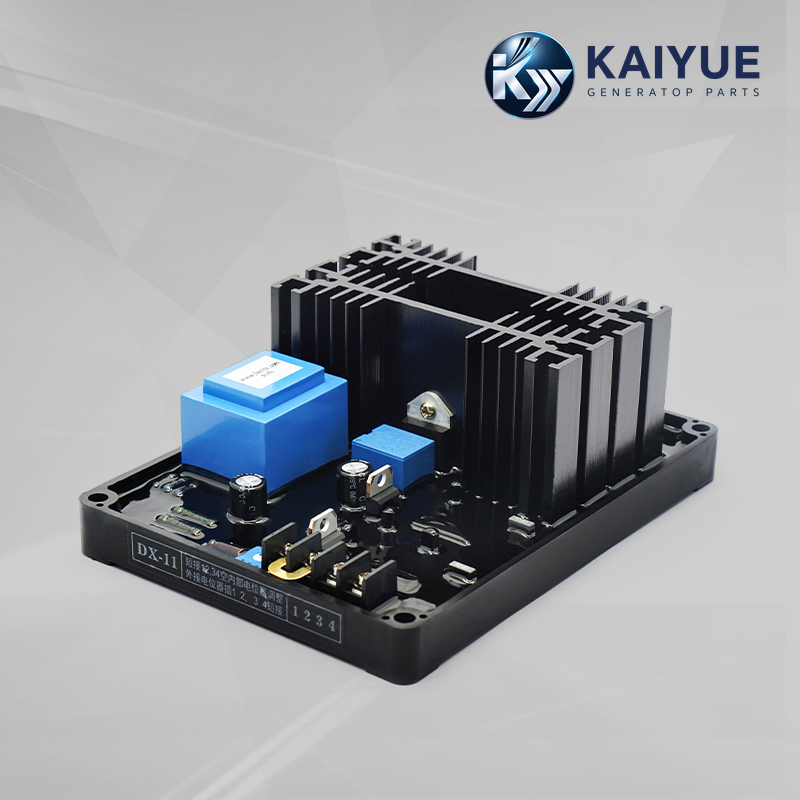
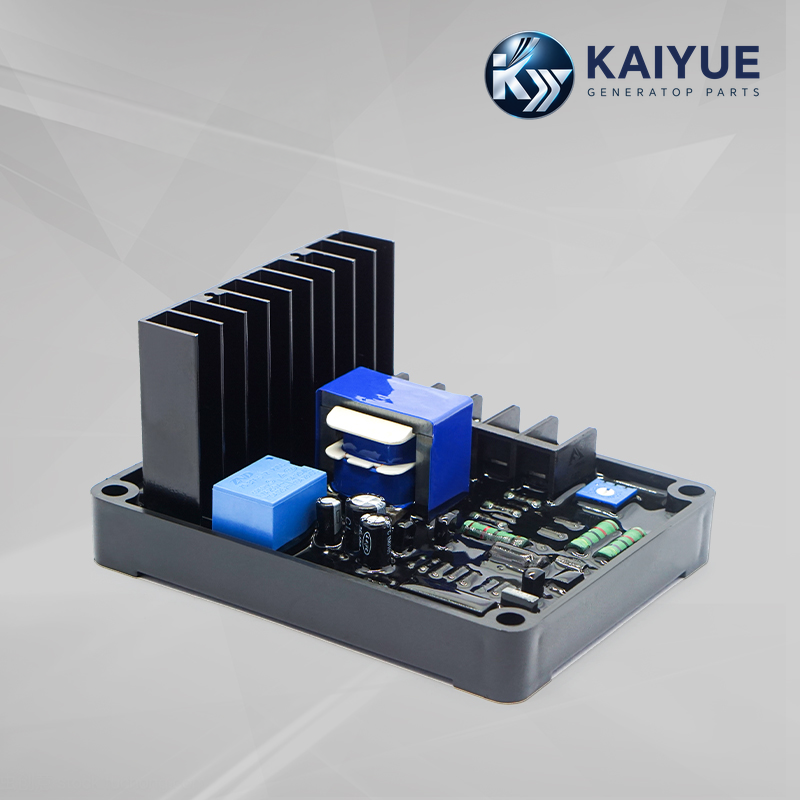
Brush AVR Series Technical Guide
Product features
The Brush AVR Series includes GB-series references. Use the full board designation and alternator documentation when comparing field output and feedback wiring.
How it works
The regulator changes exciter drive to hold the voltage reference. Metering and sensing connections need to reflect the alternator circuit shown on the drawing.
Troubleshooting
If regulation drops out as load changes, check sensing harness continuity and terminal condition with power isolated. Inspect the excitation path for heat damage.
Replacement options
The catalog lists three GB references. Compare their board revision and terminal configuration with the original unit.
How to replace it
Label each lead against the Brush alternator drawing before removal. Have the technician verify the sense circuit and excitation supply before applying load.
PRODUCT GUIDANCE
Frequently asked questions
Brush AVR Series guidance for selection, use and purchasing.
Explore more FAQs ↗Where are Brush AVRs normally used?+
They are used on alternators that employ an external voltage regulator for excitation control, typically in industrial and standby generator sets. Confirm the intended alternator model before ordering — confirm the specification with our team.
View this answer in FAQs ↗How do I read the correct part reference from an existing Brush regulator?+
Use the full printed reference on the regulator body, including revision or suffix characters. Partial references can match several different variants — confirm the specification with our team.
View this answer in FAQs ↗What causes a Brush AVR not to build up voltage?+
Loss of residual magnetism, broken sensing leads, open excitation circuit or a failed regulator can all prevent voltage build-up. Check wiring continuity and residual voltage before replacing the unit.
View this answer in FAQs ↗Can I replace a Brush AVR with a generic regulator?+
This is only advisable when excitation and sensing characteristics match. Compatibility should be reviewed against the alternator documentation — confirm the specification with our team.
View this answer in FAQs ↗Why is output voltage high immediately after replacement?+
A high reading often means the voltage setting is not adjusted, the sensing connection is incorrect, or the regulator model does not match the alternator. Recheck the configuration before loading the generator.
View this answer in FAQs ↗Does the regulator require a separate power supply winding?+
Some excitation systems use an auxiliary or PMG winding, while others are self-excited. Confirm which arrangement your alternator uses — confirm the specification with our team.
View this answer in FAQs ↗How do I avoid damaging a new regulator during commissioning?+
Verify wiring against the diagram, confirm engine speed is correct, and energise the set only after sensing and excitation connections are checked. Avoid adjusting multiple settings simultaneously.
View this answer in FAQs ↗What maintenance does an AVR need?+
Regulators are generally maintenance-free electronically, but terminals should be kept clean and tight, and the enclosure should stay dry and free of vibration damage.
View this answer in FAQs ↗Can vibration damage an AVR?+
Yes. Excessive vibration can crack solder joints, loosen terminals and shorten service life. Ensure the regulator is mounted using the intended anti-vibration arrangement.
View this answer in FAQs ↗What information is required for a replacement quote?+
Supply the regulator reference, alternator model, voltage and frequency, excitation type if known, quantity and photos of the installed regulator. ---
View this answer in FAQs ↗Guidance varies by model and installation. Confirm specifications and suitability for your selected part with our team.
Not sure which part you need?
Send a model number, reference photo or application details to our team.
