

KAIYUE / PROFESSIONAL PRODUCTS
Rectifier & Thyristor.
Find your next part.
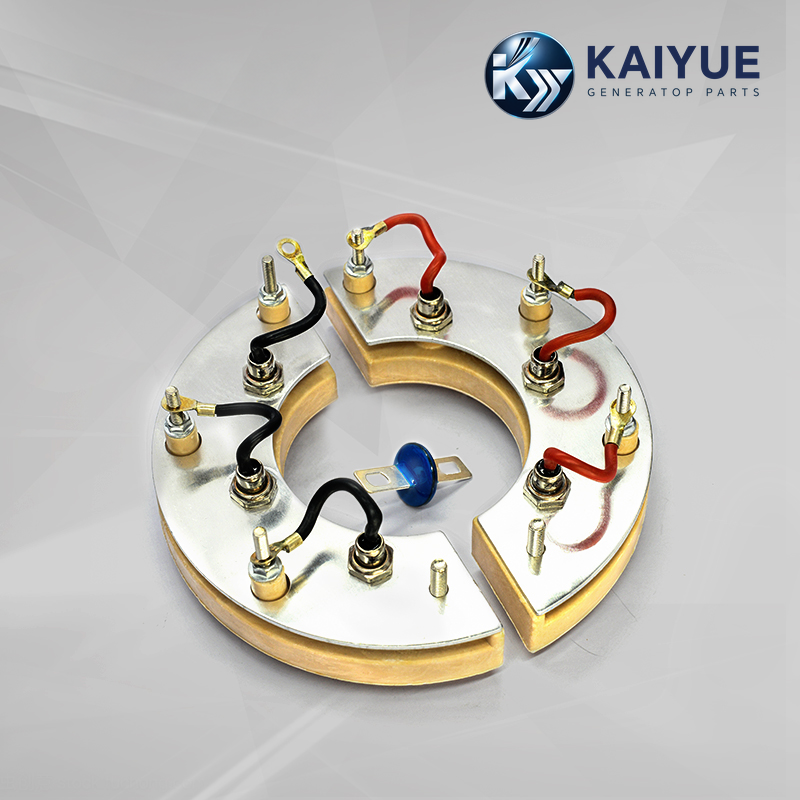
Rectifiers and thyristors are power semiconductors used in generator excitation circuits. Rectifier diodes conduct in one direction to convert AC to DC, while a thyristor uses a gate signal to control the start of conduction. With the equipment isolated, inspect for heat damage and check the specified polarity, mounting and ratings.
6PRODUCTS TO EXPLORE
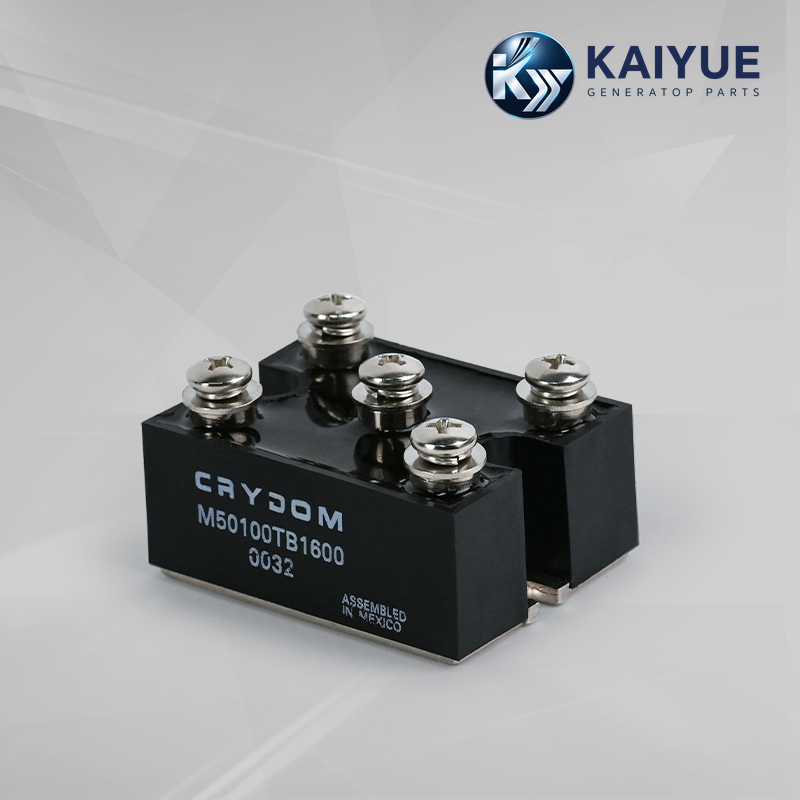
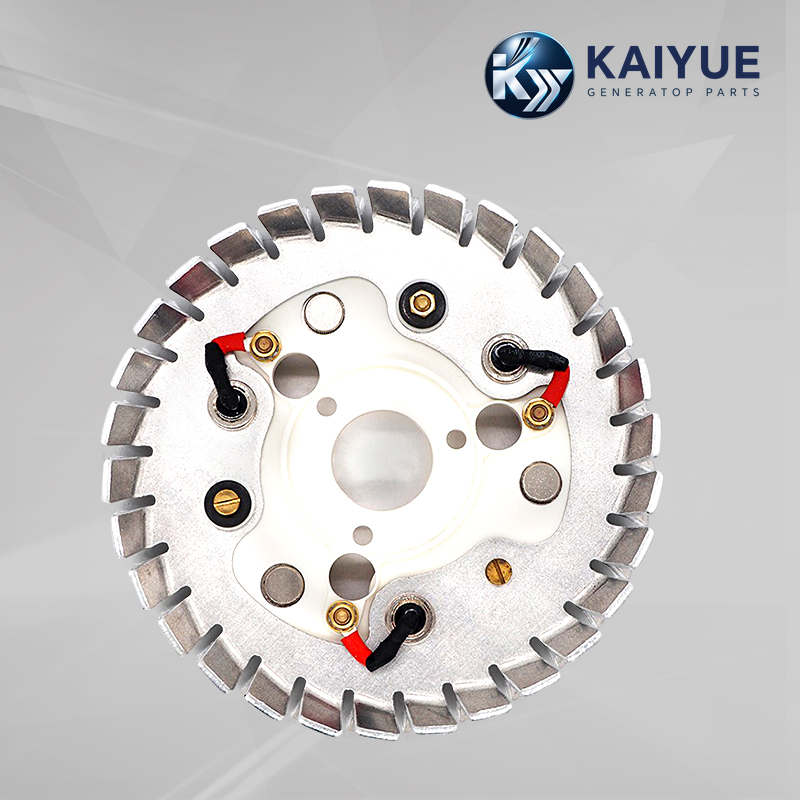
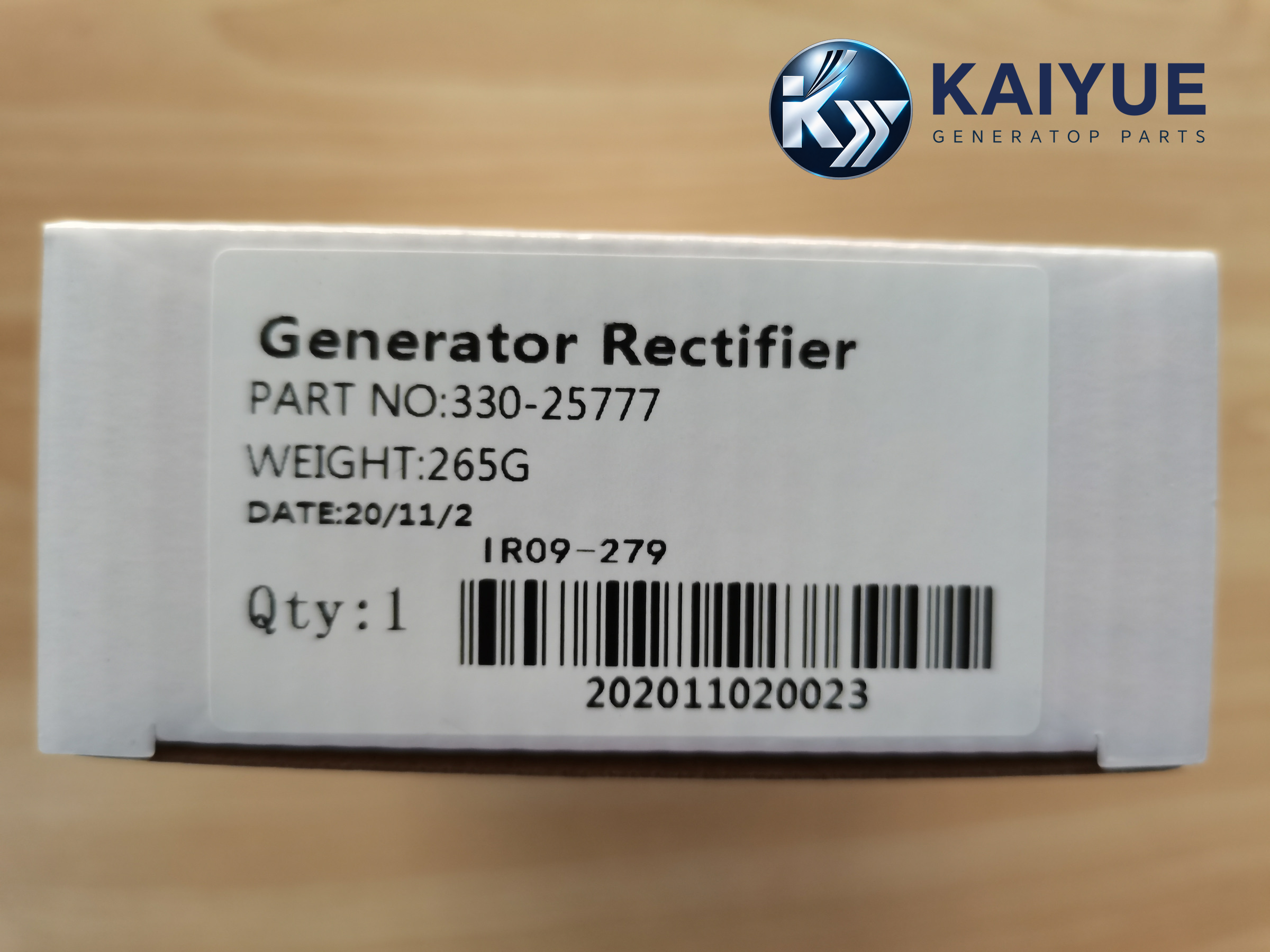
Rectifier & Thyristor
330-25777
Leroy Somer Diode Rectifier Alternator Electroplating Rectifier Machine Module Bridge Rectifiers Diode 330-25777
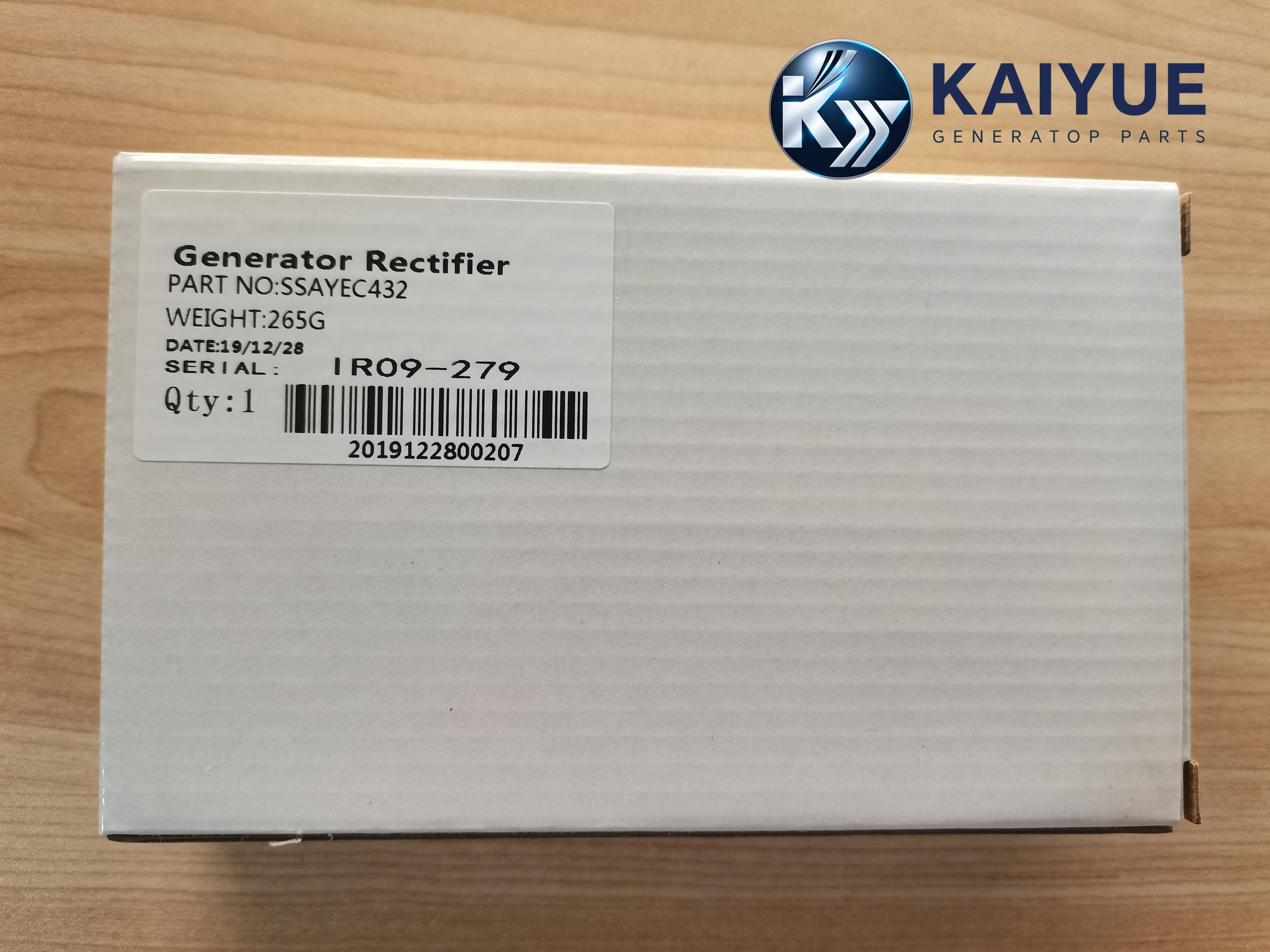
Rectifier & Thyristor
SSAYEC432
Leroy Somer Diode Rectifier Alternator Electroplating Rectifier Machine Module Bridge Rectifiers Diode SSAYEC432
Rectifier & Thyristor Technical Guide
Product features
Rectifier and thyristor assemblies are selected by circuit role, voltage and current ratings, terminal layout and heat dissipation. Identify the component from the wiring drawing.
How it works
Diodes direct current through a rectifier circuit to produce DC. A thyristor adds a gate-controlled turn-on function where the design requires controlled conduction.
Troubleshooting
If excitation is lost or uneven, inspect for heat discoloration and damaged connections once the system is isolated. Test the device using the procedure for its circuit and package.
Replacement options
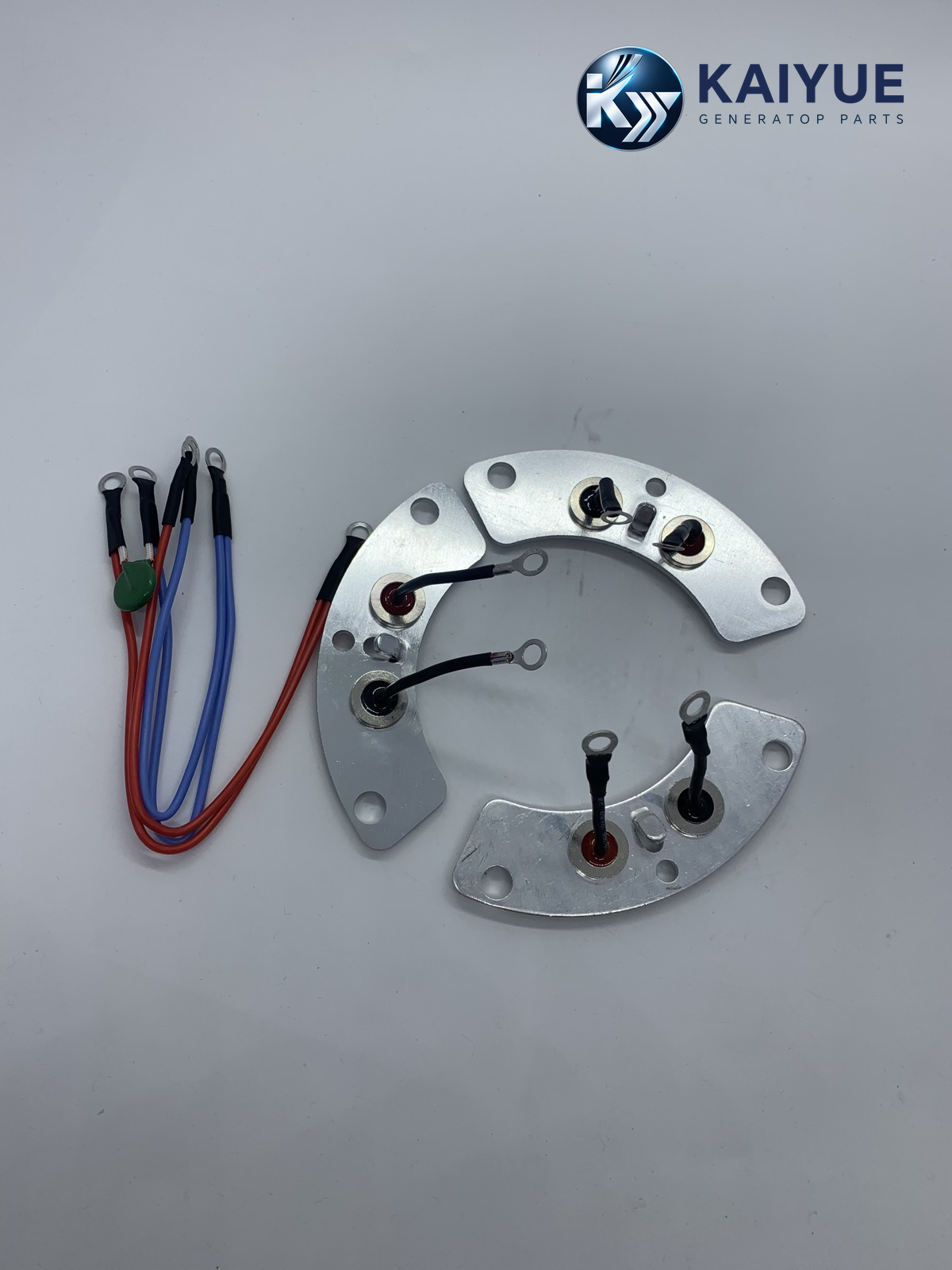
Match the replacement's circuit diagram, polarity, package and cooling requirements. Catalog references include bridge modules and alternator rectifier assemblies.
How to replace it
Allow stored energy to discharge and have a technician verify isolation. Follow the specified heatsink, mounting torque and insulation requirements, then test the repaired excitation circuit.
PRODUCT GUIDANCE
Frequently asked questions
Rectifier & Thyristor guidance for selection, use and purchasing.
Explore more FAQs ↗What does a rectifier do in a generator?+
A rectifier converts AC from the exciter winding into DC for the alternator field, supporting voltage build-up and regulation.
View this answer in FAQs ↗What is the difference between a diode and a thyristor module?+
A diode conducts in one direction without control, while a thyristor can be switched by a gate signal, allowing controlled rectification. Each is used in different excitation designs.
View this answer in FAQs ↗How do I know if a rotating rectifier has failed?+
Symptoms include failure to build voltage, unstable output, repeated excitation faults or blown excitation fuses. Testing requires isolating and measuring the diodes.
View this answer in FAQs ↗How do I select the correct replacement module?+
Match the current and voltage ratings, package type, mounting arrangement and terminal configuration. Confirm the required ratings — confirm the specification with our team.
View this answer in FAQs ↗Can I replace only one failed diode?+
Replacing a single device is sometimes possible, but matched replacement of the set is often preferred to maintain balanced operation. Confirm the recommendation for your alternator — confirm the specification with our team.
View this answer in FAQs ↗Why do rectifier diodes keep failing?+
Repeated failures can come from excitation overvoltage, surge events, overheating, vibration or an underlying winding fault. Investigate the cause rather than replacing repeatedly.
View this answer in FAQs ↗Does the rectifier need a surge suppressor?+
Many rotating rectifier assemblies include a varistor or surge device to protect the diodes. Confirm whether your assembly requires one — confirm the specification with our team.
View this answer in FAQs ↗How do I test a diode module?+
A diode test measures conduction in one direction and blocking in the other. Use an appropriate meter and compare with the expected behaviour for the device.
View this answer in FAQs ↗Can heat affect rectifier reliability?+
Yes. Poor ventilation, blocked cooling paths and high ambient temperature reduce device life. Keep the excitation area clean and ventilated.
View this answer in FAQs ↗What should I include in an enquiry?+
Include the existing part number, voltage and current rating, package style, alternator model, quantity and photos of the assembly. ---
View this answer in FAQs ↗Guidance varies by model and installation. Confirm specifications and suitability for your selected part with our team.
Not sure which part you need?
Send a model number, reference photo or application details to our team.
