
Deep Sea Controller Series
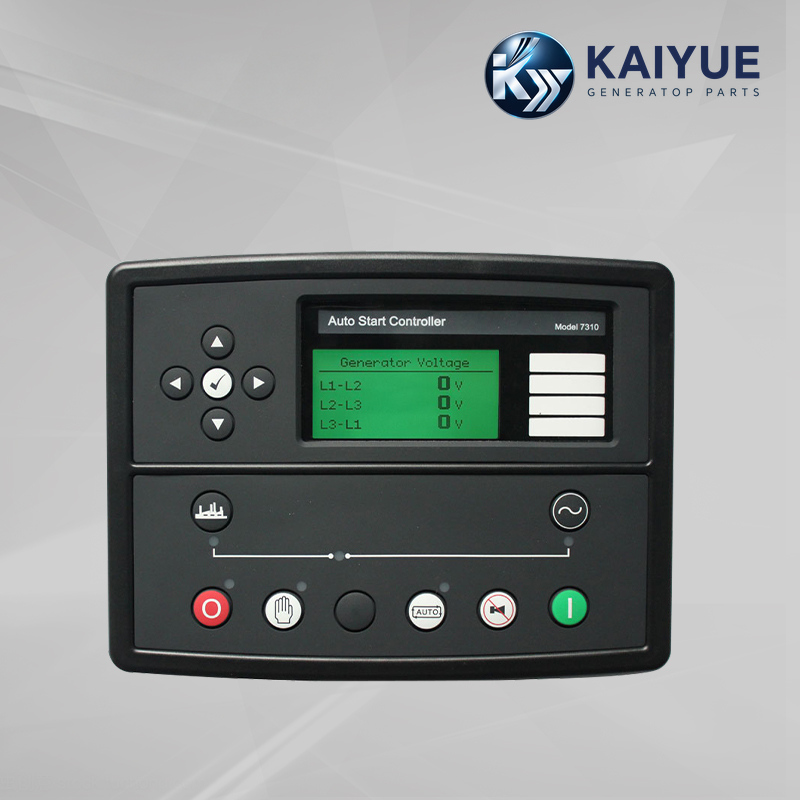
DSE7310
Deep Sea Controller Auto Start Control Module DSE7310 for generator

KAIYUE has 20 years experience for genset parts.
Generator parts keep a genset ready to start, produce stable power and respond to changing loads. Controllers manage the operating sequence, AVRs regulate alternator voltage, and sensors report engine conditions. For planned maintenance, record model numbers and check connectors and mounting points before ordering spares.
Deep Sea Controller Auto Start Control Module DSE7310 for generator
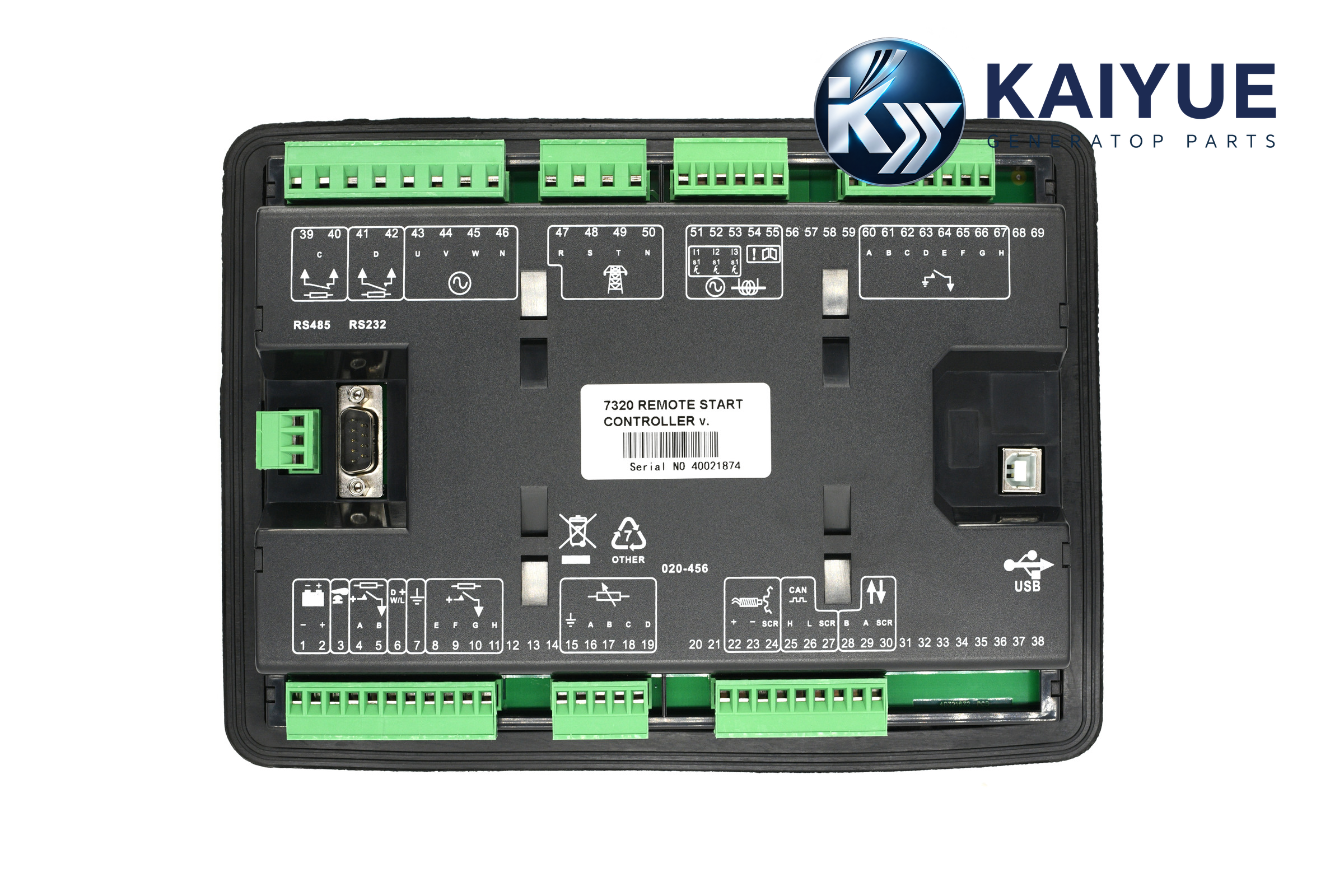
Deep Sea Controller Auto Start Control Module DSE7320 MKII for generator
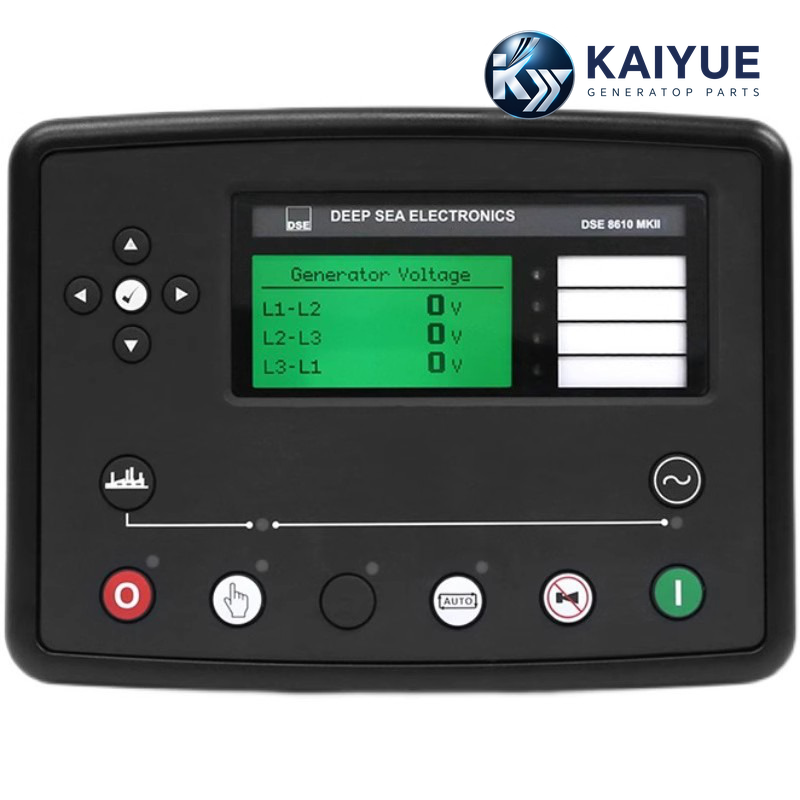
Deep Sea Controller Auto Start Control Module DSE8610 MKII for generator
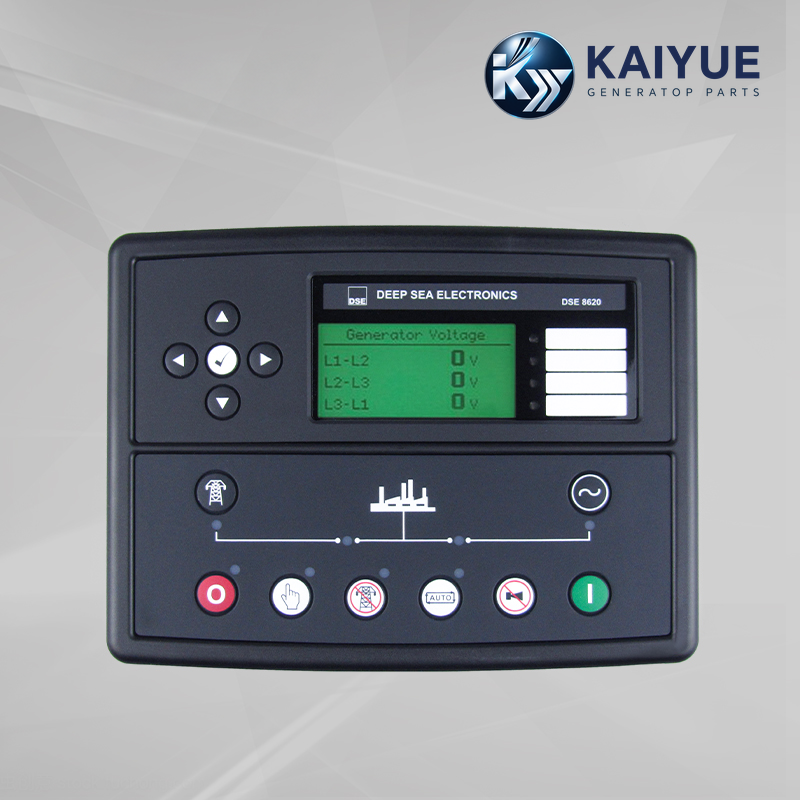
Deep Sea Controller Auto Start Control Module DSE8620 for generator
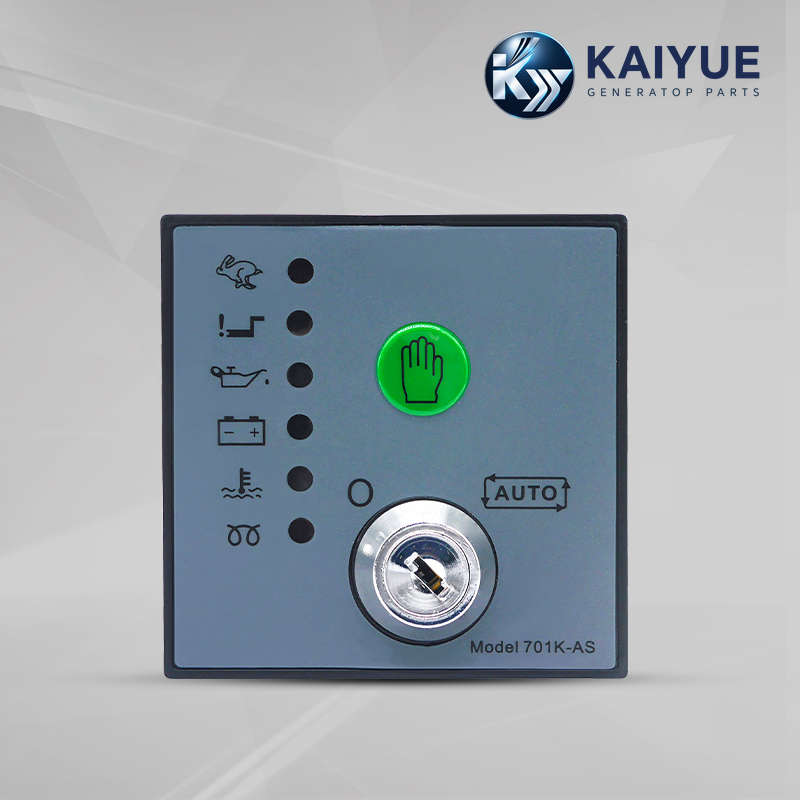
Deep Sea Controller Manual & Auto Start Control Module DSE701 for generator
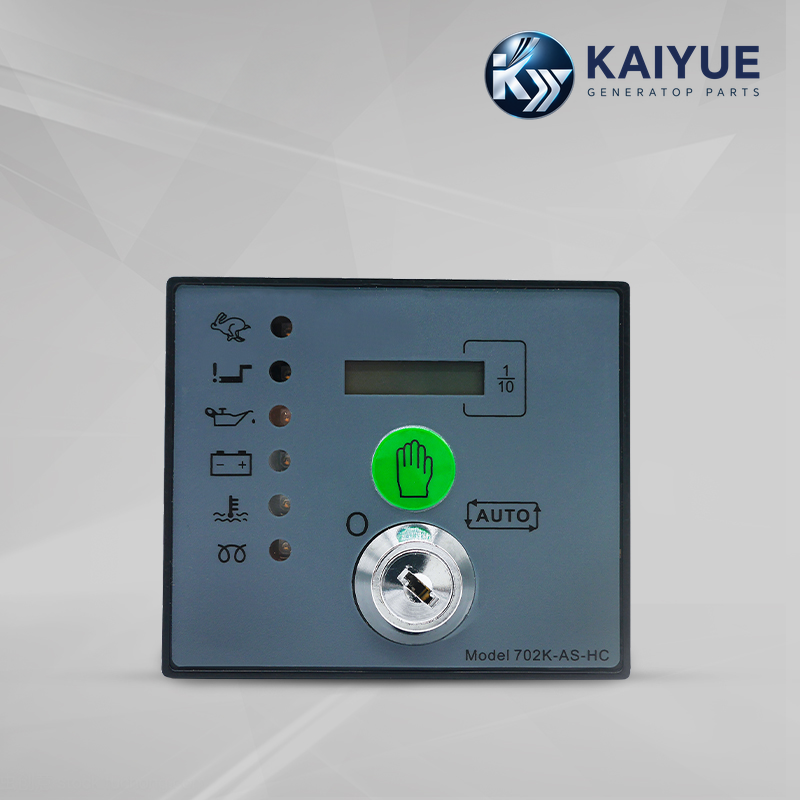
Deep Sea Controller Manual & Auto Start Control Module DSE702 for generator
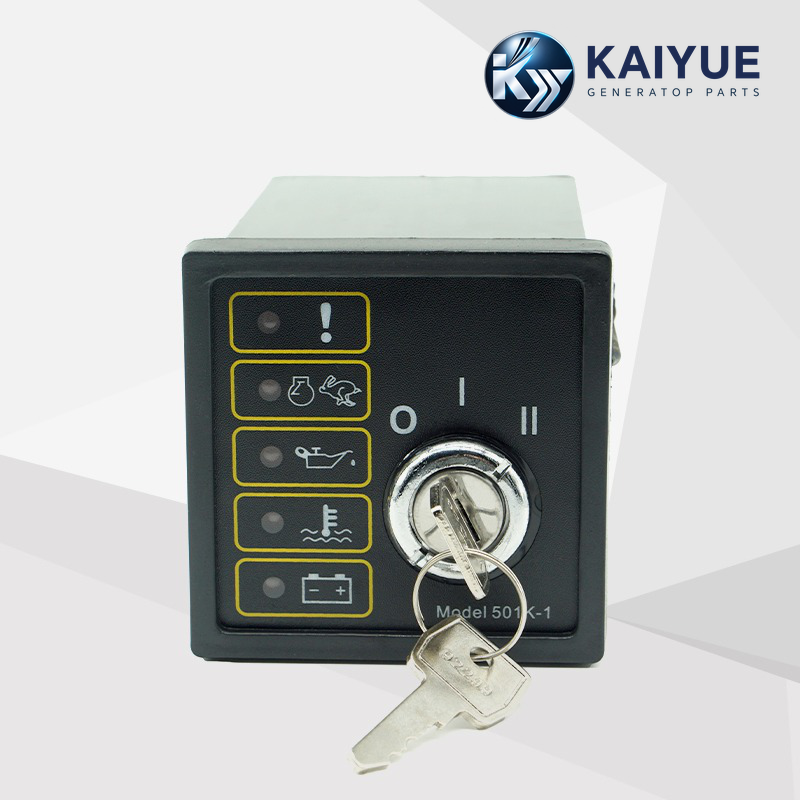
Deep Sea Controller Manual Start Control Module DSE501K for generator
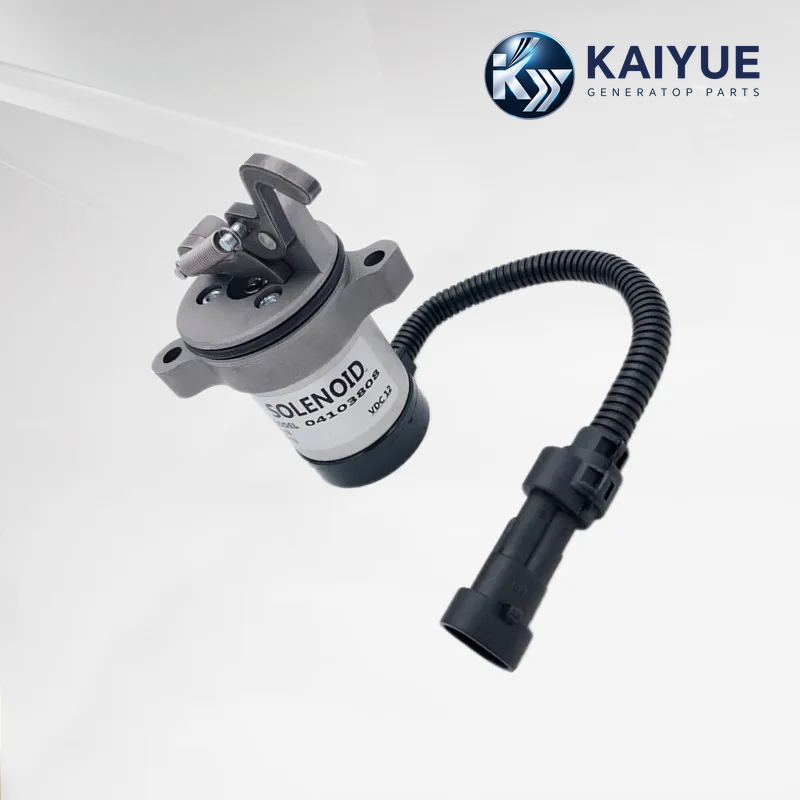
Deutz Diesel Engine Fuel Stop Solenoid Engine Stop Solenoid 12V/24V 04103808
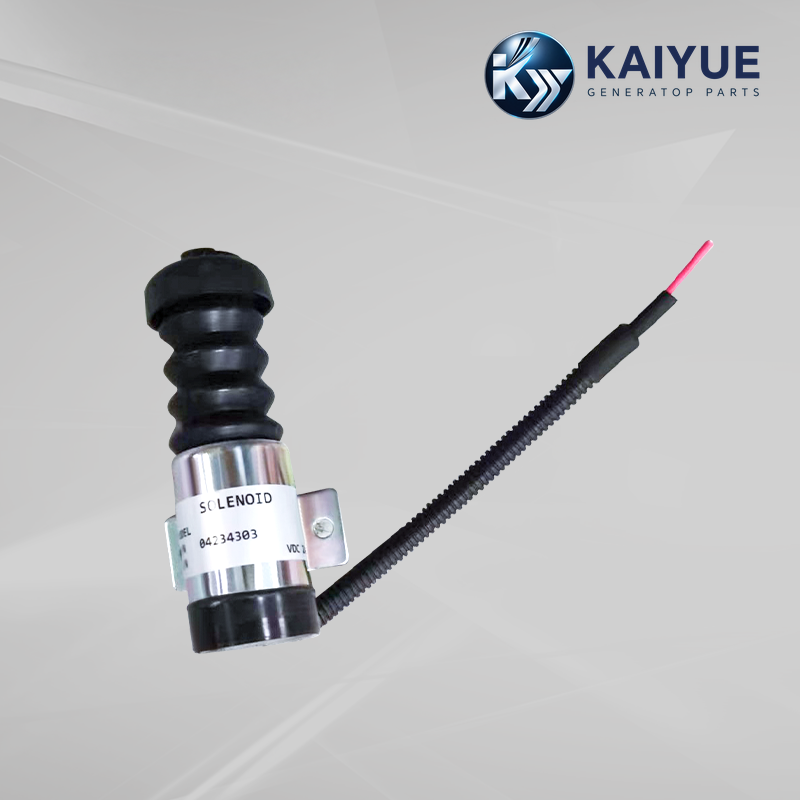
Deutz Diesel Engine Fuel Stop Solenoid Engine Stop Solenoid 12V/24V 04234303
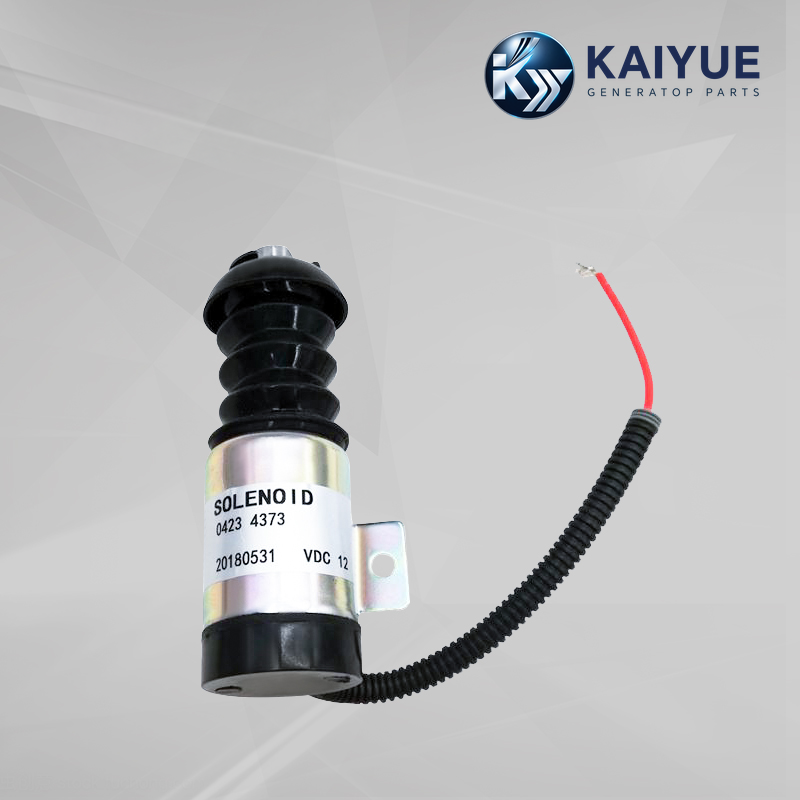
Deutz Diesel Engine Fuel Stop Solenoid Engine Stop Solenoid 12V/24V 04234373
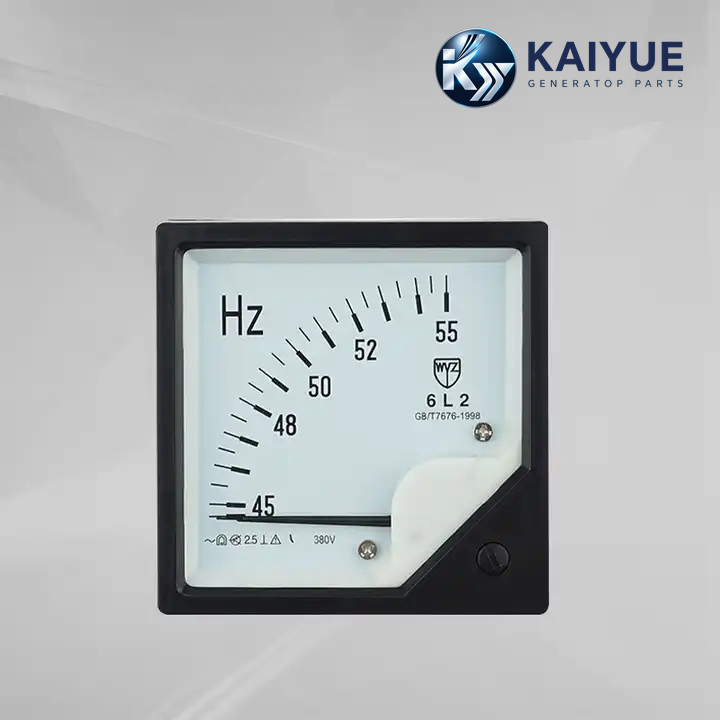
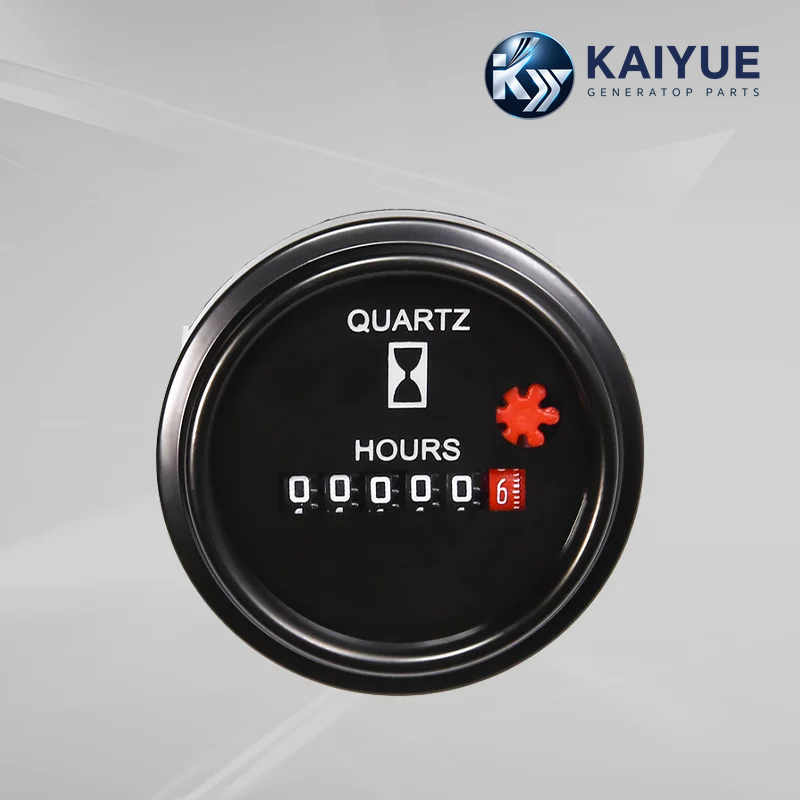
Diesel Engine Digital Hour Meter Tachometer Generator Hour Meter Tachometer 3035766
Generator parts fall into distinct systems for starting, engine speed, alternator output and monitoring. Begin with the part label and the generator, engine or alternator it belongs to.
Battery and start circuits bring the engine up to speed. The governor meters fuel to maintain frequency, while the AVR adjusts excitation to maintain output voltage. Sensors feed readings to the panel.
Sort the symptom first. A no-crank condition points toward the starter supply or start inputs. Frequency drift points toward speed control. Stable frequency with incorrect voltage calls for a check of sensing and excitation.
Start with a part number and compare the original component's electrical connections and mounting. These examples cover three different systems.
Record the nameplates and wiring before removal. Have a qualified technician isolate all applicable energy sources, compare the replacement with the service documentation and verify the affected function before returning the set to duty.
Generator parts guidance for selection, use and purchasing.
Explore more FAQs ↗Match the part number, the voltage, the ETR/ETS type, the mounting arrangement and the plunger travel. Send the original part number and photos so the correct reference can be confirmed — confirm the specification with our team.
View this answer in FAQs ↗Start from the AVR part number and the alternator make and model, then confirm the excitation type and electrical ratings. Do not select an AVR only by physical appearance — confirm the specification with our team.
View this answer in FAQs ↗Charger voltage must match the battery system, typically 12 V or 24 V in generator applications. Confirm the battery configuration before ordering — confirm the specification with our team.
View this answer in FAQs ↗Selection depends on required functions, display type, sensor inputs, output contacts, communication protocols and whether AMF or paralleling is needed. Confirm the feature list against your application — confirm the specification with our team.
View this answer in FAQs ↗Controllers are configured for specific sender curves or signal types, so the sensor must match the configuration. Confirm the required sender specification — confirm the specification with our team.
View this answer in FAQs ↗Typically a speed control unit, a magnetic pickup and an actuator with linkage, plus a stable DC supply. Confirm the exact combination for your engine — confirm the specification with our team.
View this answer in FAQs ↗Guidance varies by model and installation. Confirm specifications and suitability for your selected part with our team.
Send a model number, reference photo or application details to our team.
