

KAIYUE / PROFESSIONAL PRODUCTS
Generator AVR.
Find your next part.
A generator AVR helps maintain alternator output voltage as electrical load changes. It senses terminal voltage and adjusts exciter field current to correct deviations. If the voltage drifts or hunts, check the sensing wiring and terminals with the set isolated. Match the excitation supply and sensing range when selecting a replacement.
57PRODUCTS TO EXPLORE
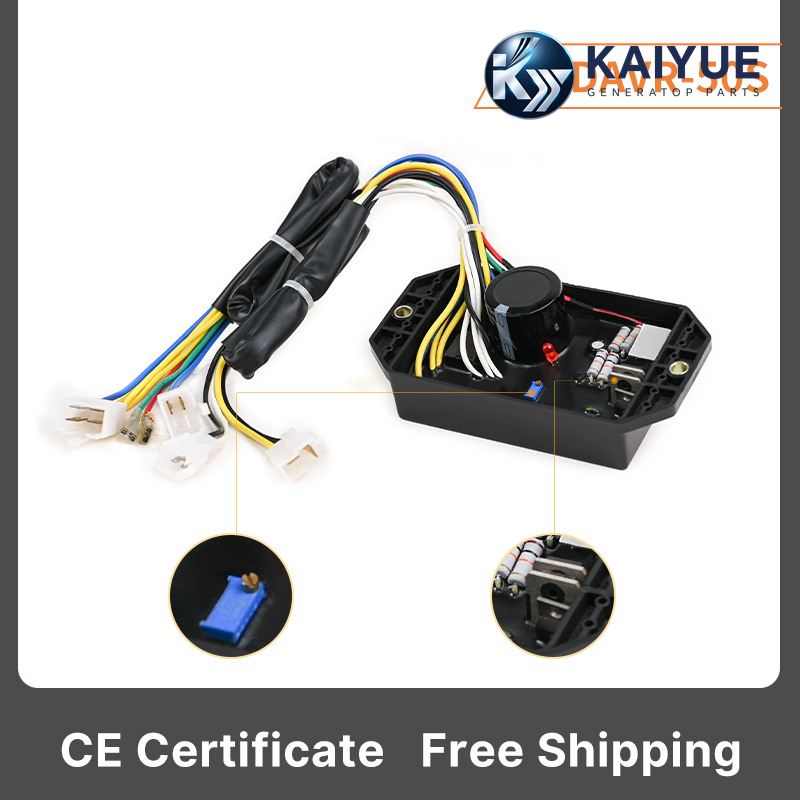
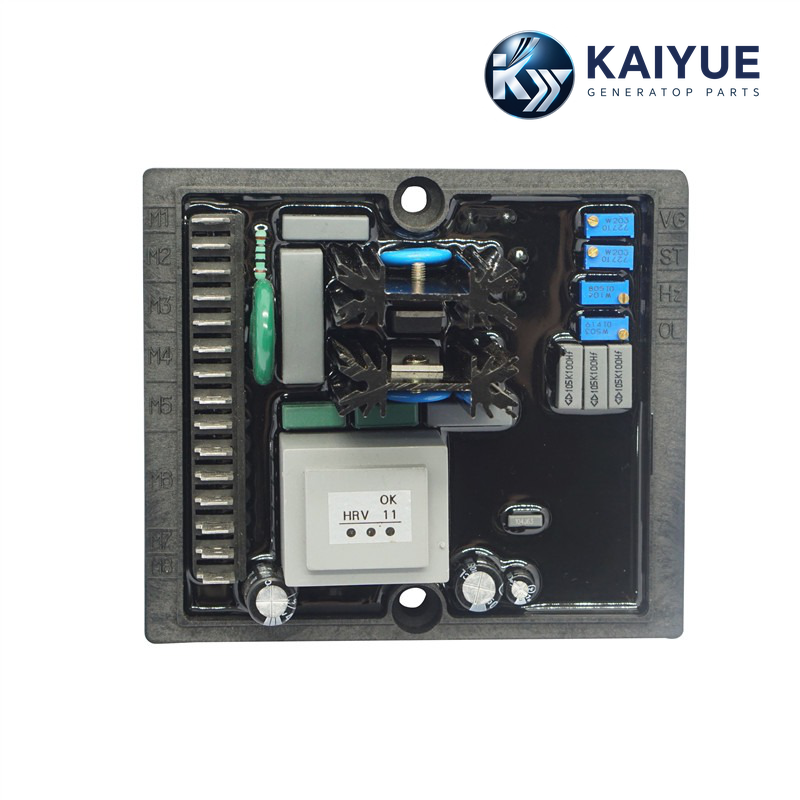
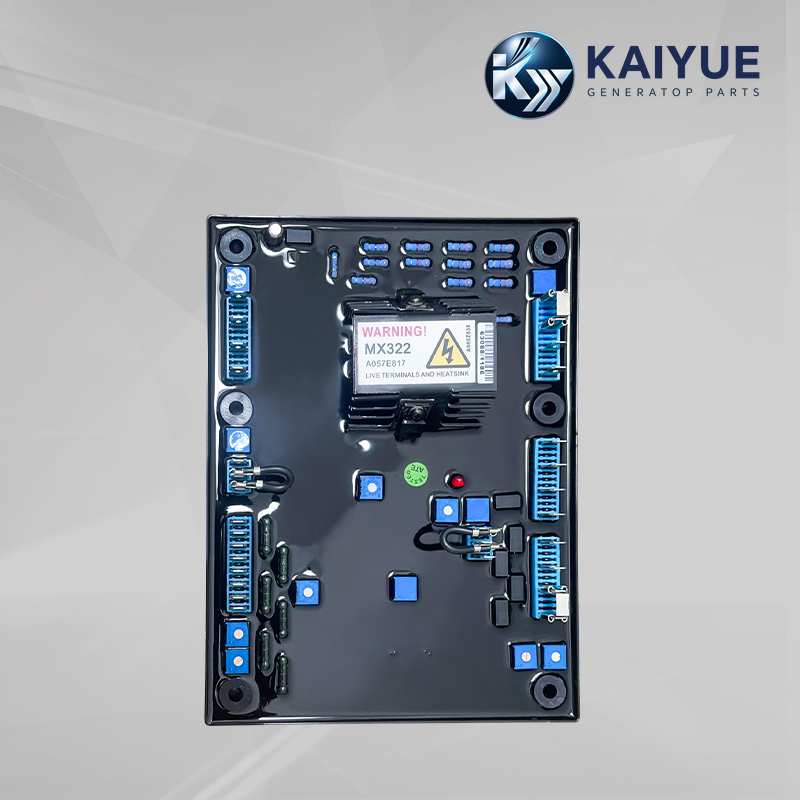
Generator AVR Technical Guide
Product features
Generator AVRs differ in sensing input, field output and their source of excitation power. The alternator nameplate and terminal drawing are the starting points for selection.
How it works
Voltage feedback is compared with the reference. The AVR increases or reduces field drive to correct output while features such as under-frequency roll-off can alter response on supported designs.
Troubleshooting
When voltage is unstable, note whether frequency is also unstable and inspect the sensing and field harness with power isolated. Confirm the actual excitation source before diagnosing the board.
Replacement options
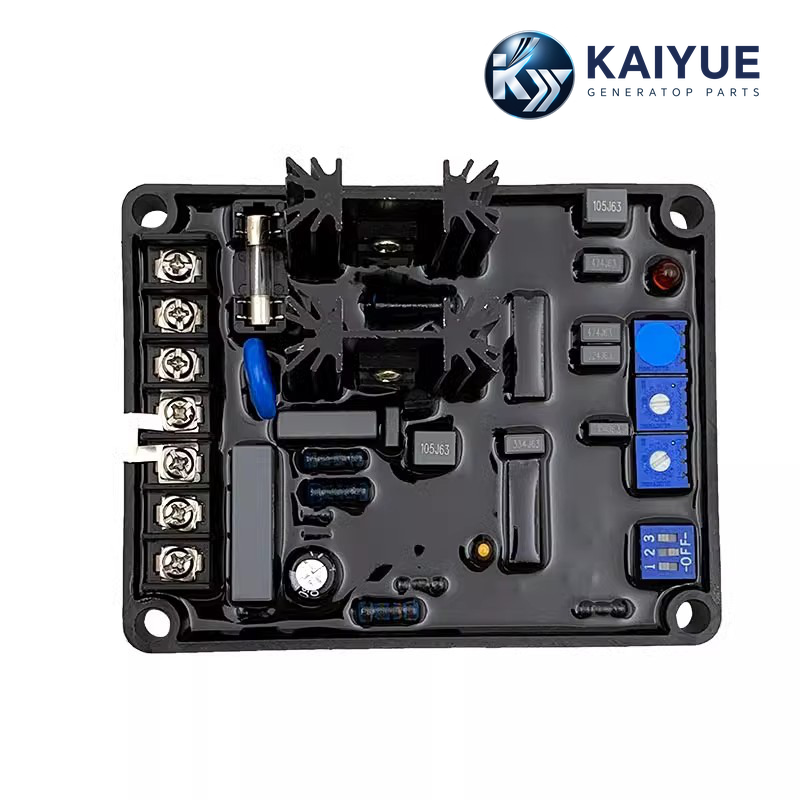
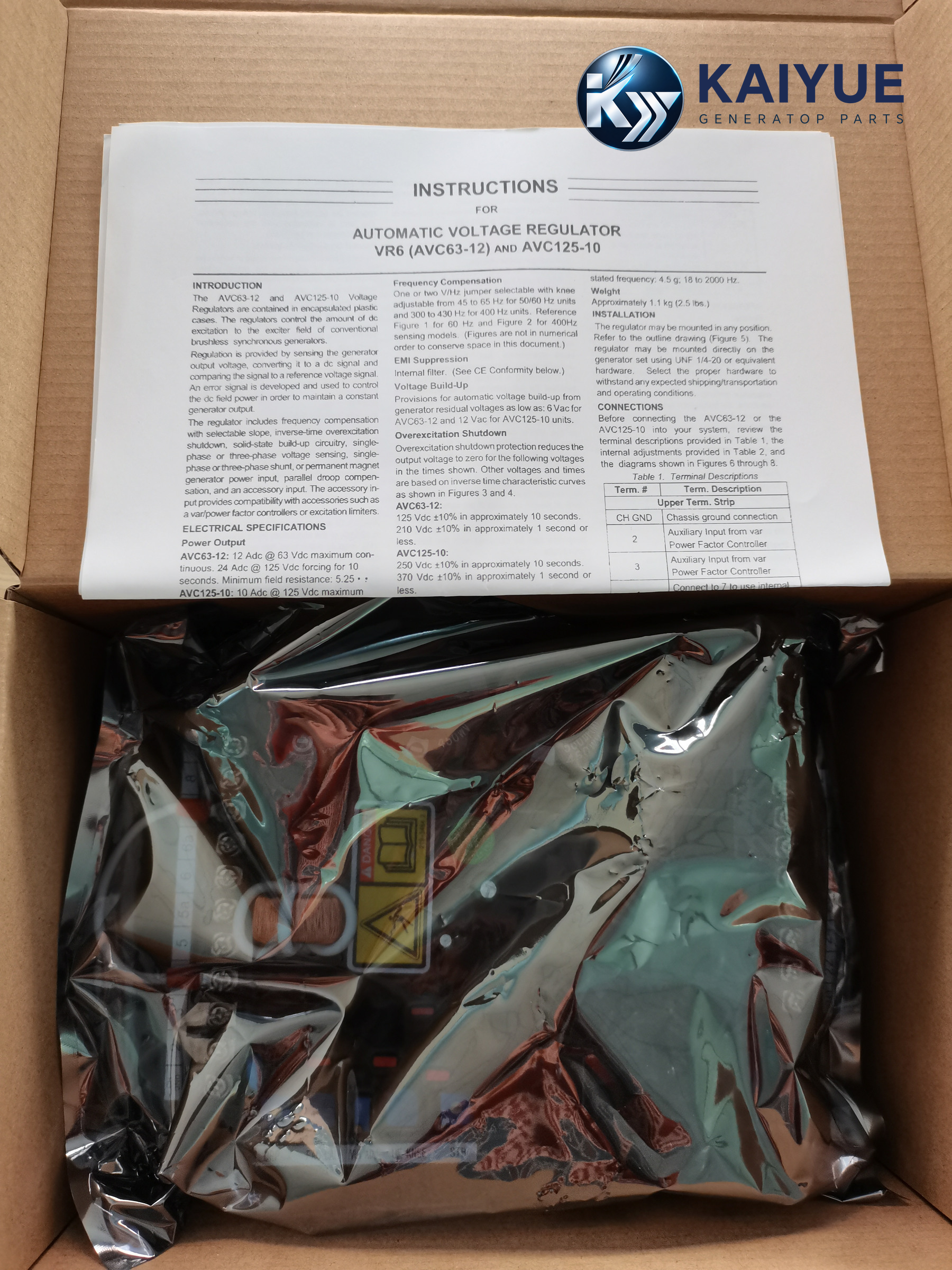
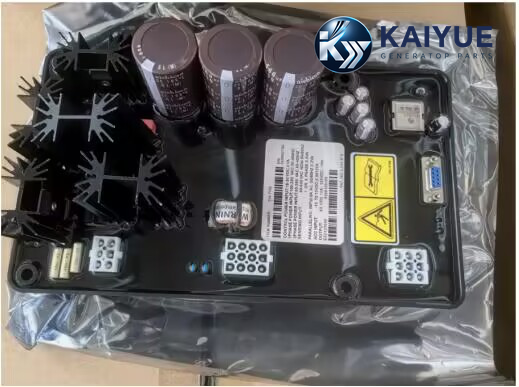
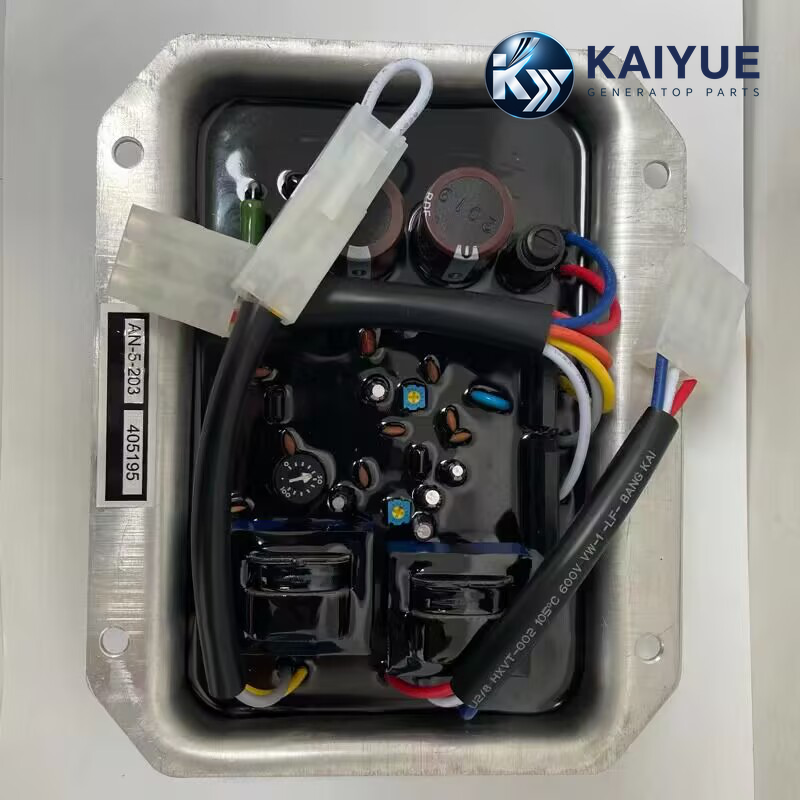
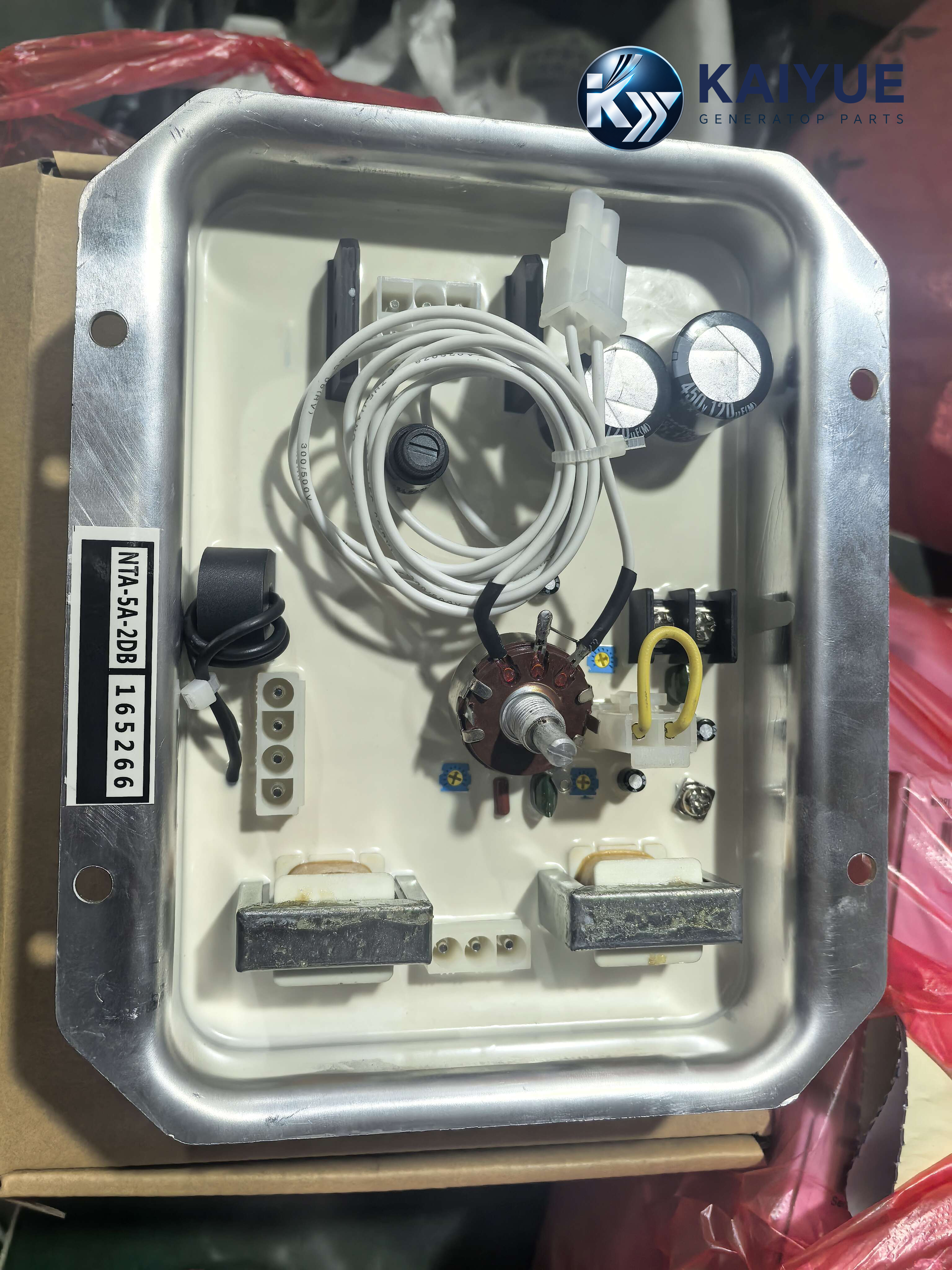
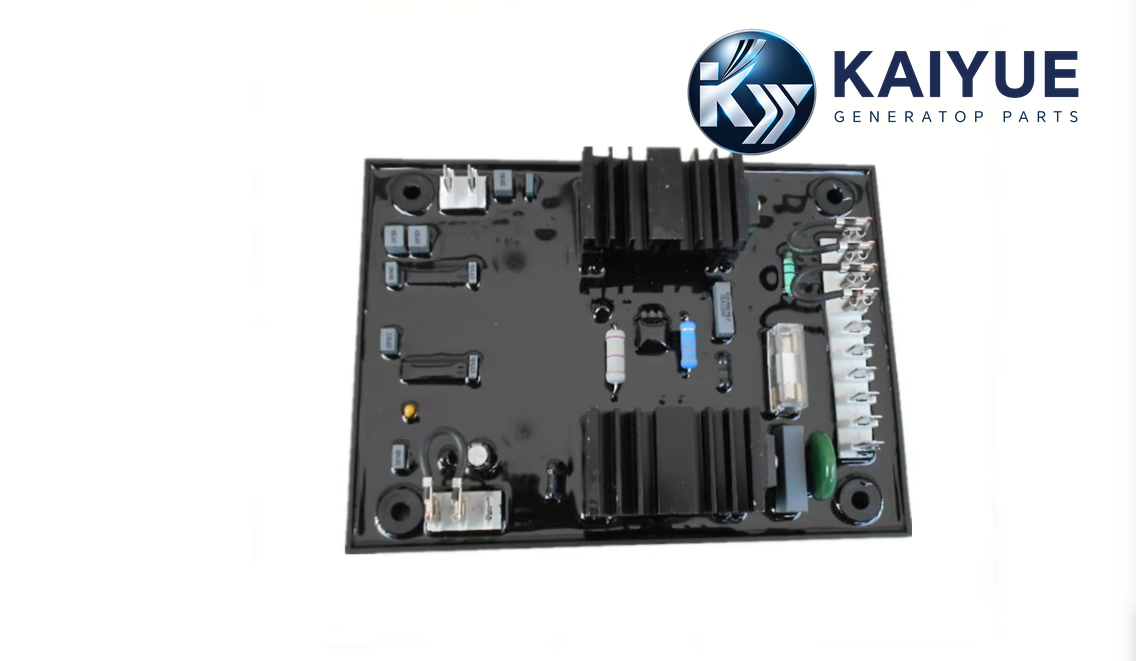
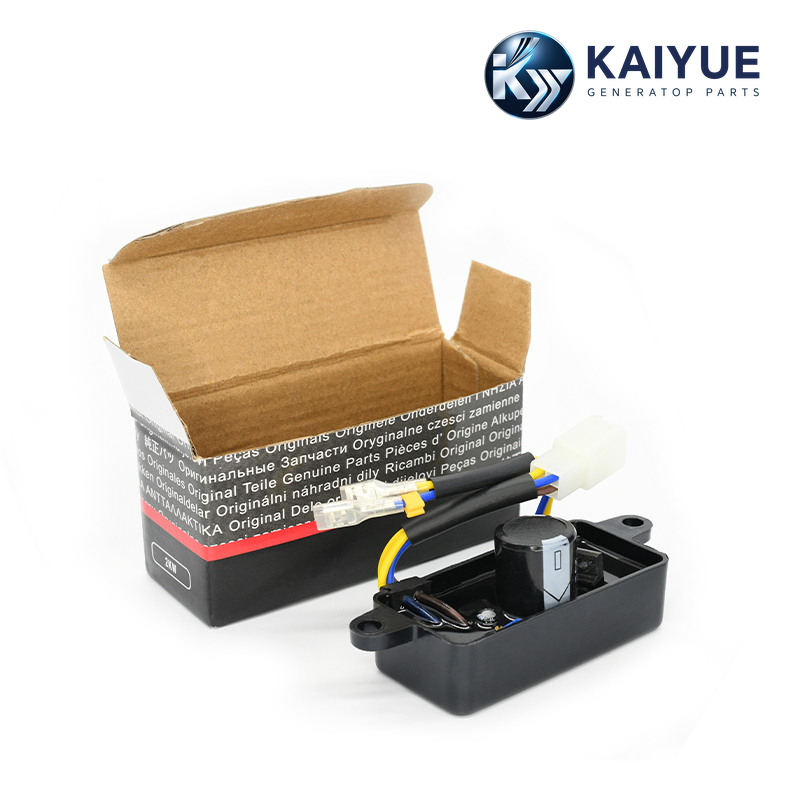
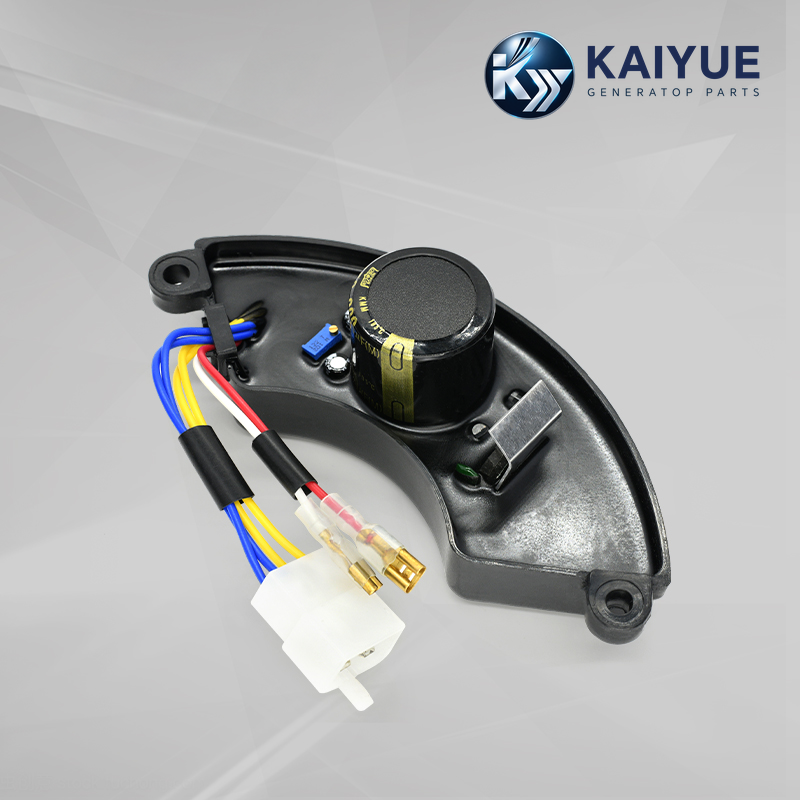
These catalog examples represent different excitation arrangements. Compare the original board reference, sensing circuit and exciter requirements for your alternator.
How to replace it
Isolate the genset, mark leads by terminal designation and follow the alternator manual. Have a technician verify voltage and stability at rated speed and under a controlled load.
PRODUCT GUIDANCE
Frequently asked questions
Generator AVR guidance for selection, use and purchasing.
Explore more FAQs ↗What does an AVR do in a generator?+
An AVR (automatic voltage regulator) controls the excitation current of the alternator to keep output voltage within its target range. It responds to load changes so voltage stays stable as demand varies.
View this answer in FAQs ↗How do I identify the correct replacement AVR?+
Start from the AVR part number and the alternator make and model, then confirm the excitation type and electrical ratings. Do not select an AVR only by physical appearance — confirm the specification with our team.
View this answer in FAQs ↗What are the symptoms of a failing AVR?+
Typical symptoms include output voltage that is too high or too low, voltage that drifts or oscillates, failure to build up voltage, or voltage collapse under load. Confirm engine speed and sensing wiring before concluding the AVR is faulty.
View this answer in FAQs ↗Can I fit a universal AVR instead of the original model?+
A universal AVR may work when the excitation system, sensing arrangement and ratings are compatible. Suitability has to be confirmed for the specific alternator — confirm the specification with our team.
View this answer in FAQs ↗Why does my generator produce no voltage after replacing the AVR?+
Common causes include loss of residual magnetism, reversed or missing sensing connections, wrong excitation wiring or an incorrect AVR model. Re-check the wiring against the alternator diagram before further testing.
View this answer in FAQs ↗How does the AVR relate to engine speed?+
Voltage regulation depends on correct frequency, so low engine speed can look like an AVR fault. Confirm the engine is running at the rated speed before adjusting or replacing the AVR.
View this answer in FAQs ↗What is the function of the stability or gain adjustment?+
The stability adjustment controls how quickly the AVR responds to load changes. Too much gain causes voltage oscillation, while too little causes slow recovery after load steps.
View this answer in FAQs ↗Can one AVR support both 50 Hz and 60 Hz operation?+
Some AVRs include a frequency selection or protection setting, but this varies by model. Check the specific unit's frequency and voltage configuration — confirm the specification with our team.
View this answer in FAQs ↗Does the AVR protect the alternator?+
Many AVRs include protective functions such as under-frequency roll-off or excitation limiting, but the exact protection depends on the model. Confirm which protections are available on the unit you select — confirm the specification with our team.
View this answer in FAQs ↗What should I include in an AVR enquiry?+
Include the existing AVR part number, alternator brand and model, rated voltage and frequency, excitation details, required quantity and photos of the AVR nameplate and terminals. ---
View this answer in FAQs ↗Guidance varies by model and installation. Confirm specifications and suitability for your selected part with our team.
Not sure which part you need?
Send a model number, reference photo or application details to our team.
