

KAIYUE / PROFESSIONAL PRODUCTS
Fuel Shut Off Solenoid.
Find your next part.
A fuel shut-off solenoid starts or stops diesel fuel delivery by moving a plunger or shut-off lever. An energized coil creates the magnetic force that moves the plunger, and the return action depends on the design. If the engine stalls or fails to start, inspect the connector and linkage, and confirm the specified coil voltage.
24PRODUCTS TO EXPLORE
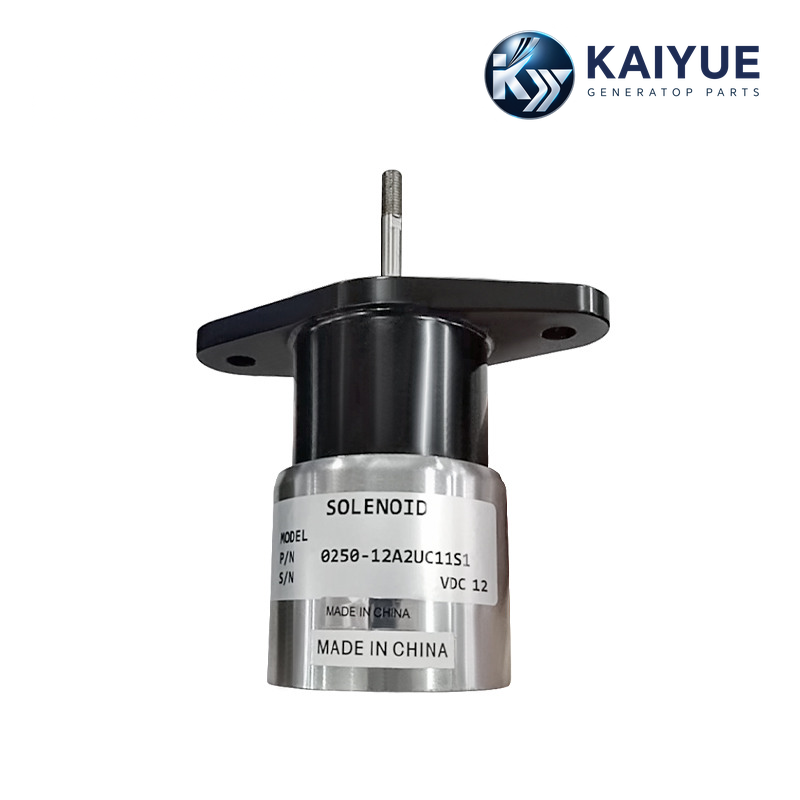
Fuel Shut Off Solenoid
0250-12A2UC11S1
Diesel Engine Fuel Stop Solenoid Engine Stop Solenoid 12V 0250-12A2UC11S1
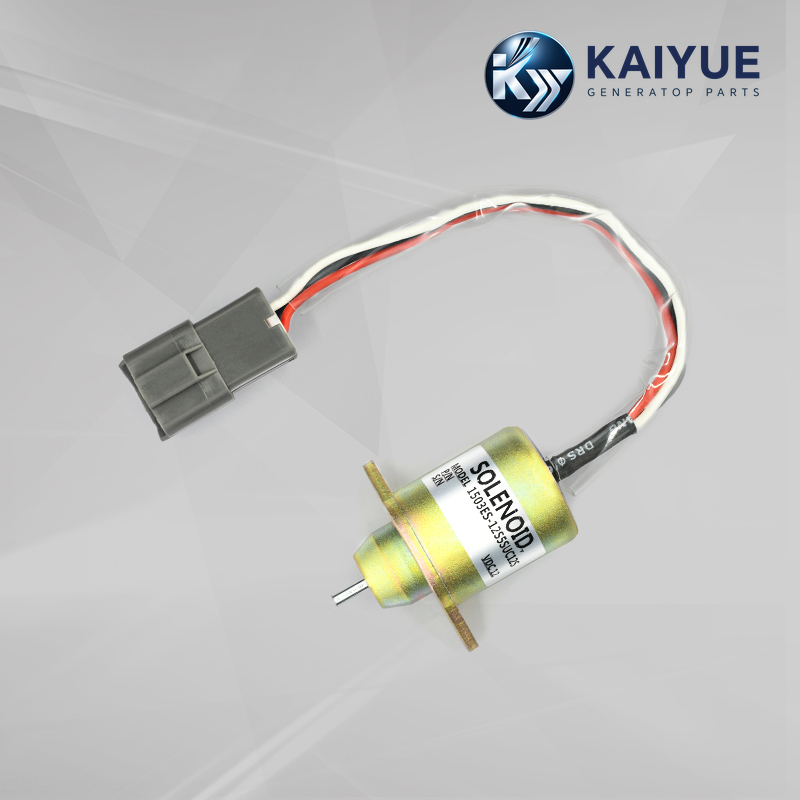
Fuel Shut Off Solenoid
1503ES-12S5SUC12S
John Deere Diesel Engine Fuel Stop Solenoid Engine Stop Solenoid 12V/24V 1503ES-12S5SUC12S
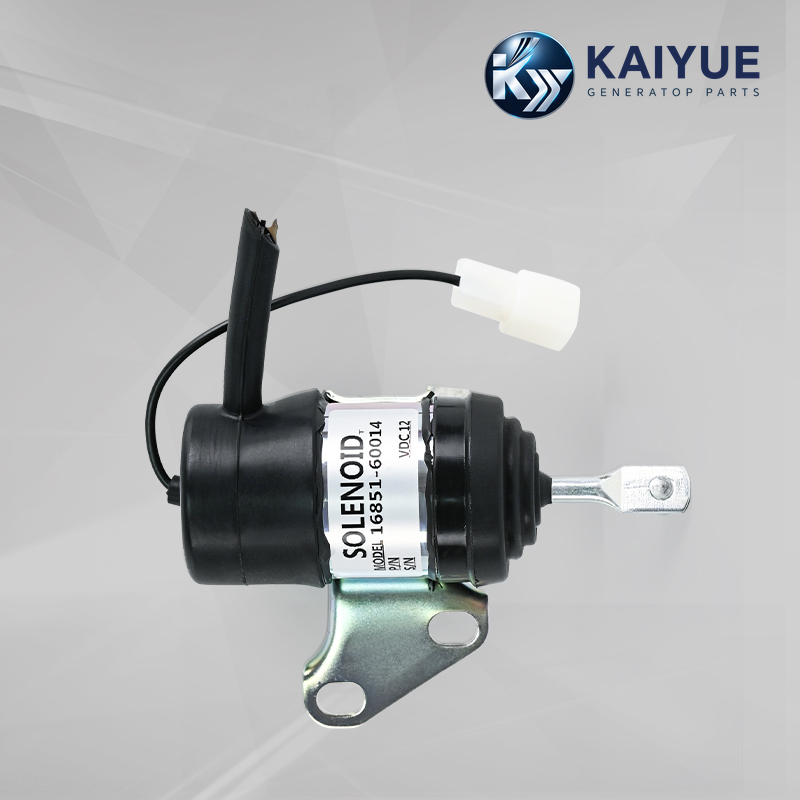
Fuel Shut Off Solenoid
16851-60014
Kubota Diesel Engine Fuel Stop Solenoid Engine Stop Solenoid 12V 16851-60014
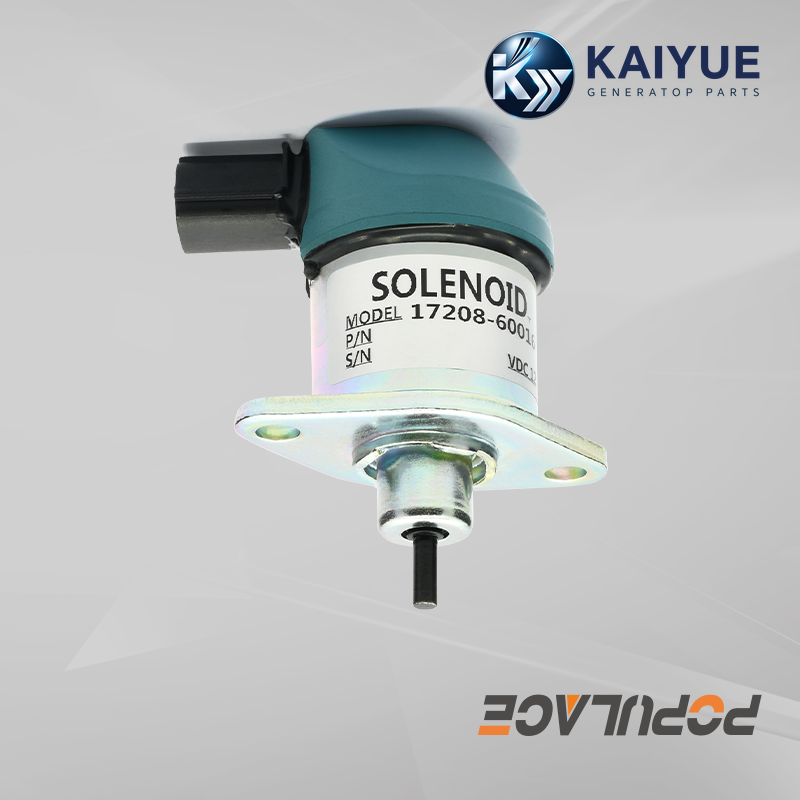
Fuel Shut Off Solenoid
17208-60016
Kubota Diesel Engine Fuel Stop Solenoid Engine Stop Solenoid 12V 17208-60016
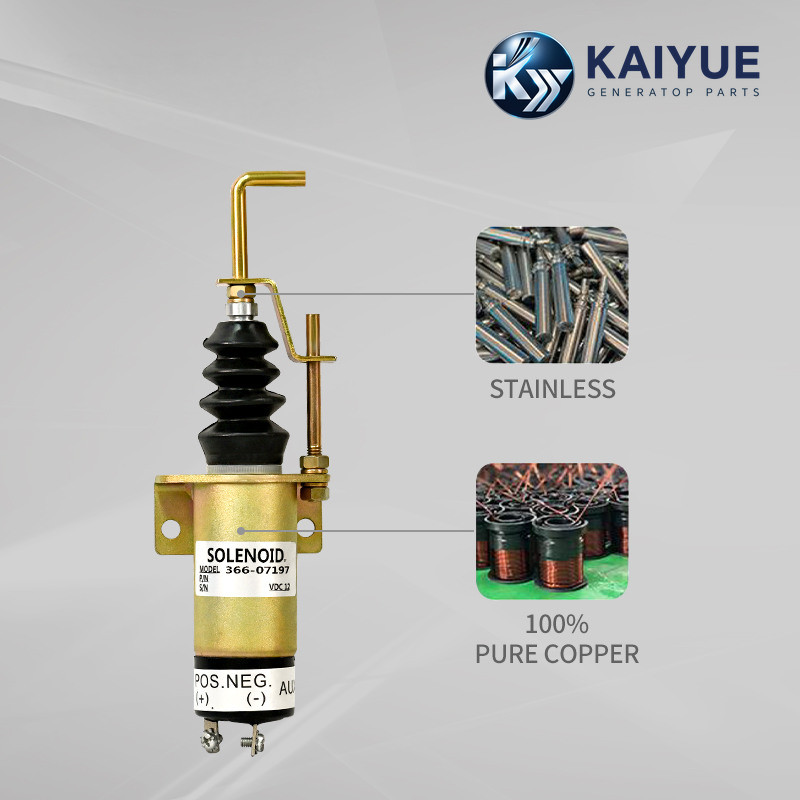
Fuel Shut Off Solenoid
36607197
Lister Diesel Engine Fuel Stop Solenoid Engine Stop Solenoid 12V/24V 36607197
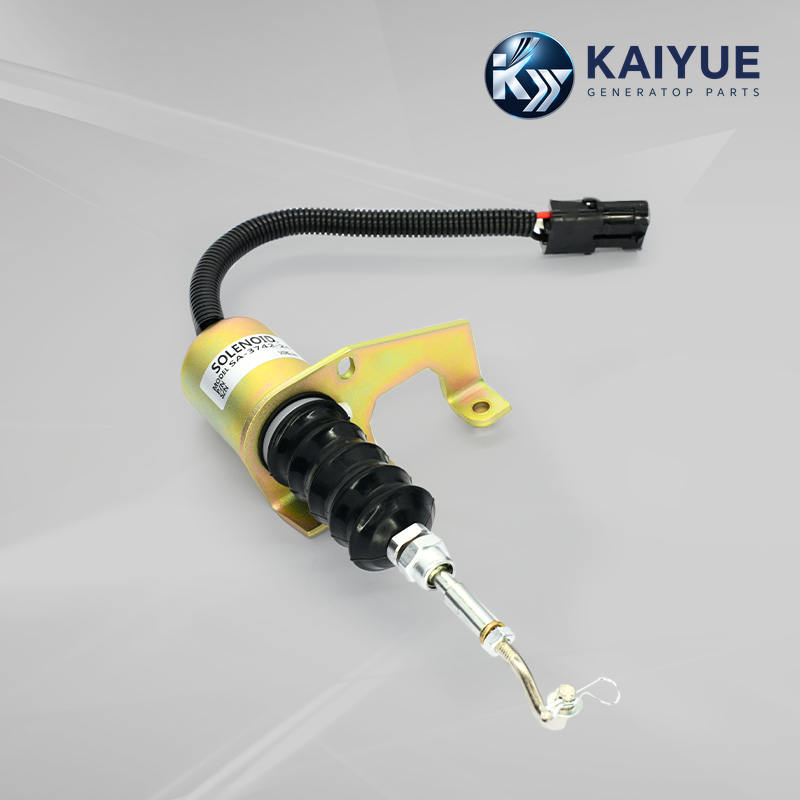
Fuel Shut Off Solenoid
SA-3742
Perkins Diesel Engine Fuel Stop Solenoid Engine Stop Solenoid 12V/24V SA-3742
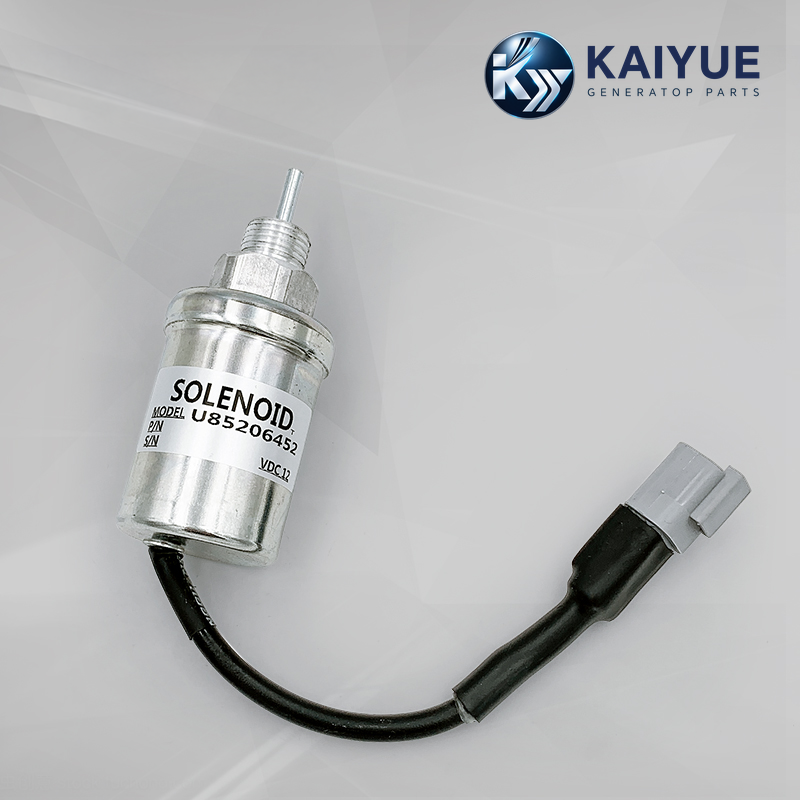
Fuel Shut Off Solenoid
U85206452
Perkins Diesel Engine Fuel Stop Solenoid Engine Stop Solenoid 12V/24V U85206452
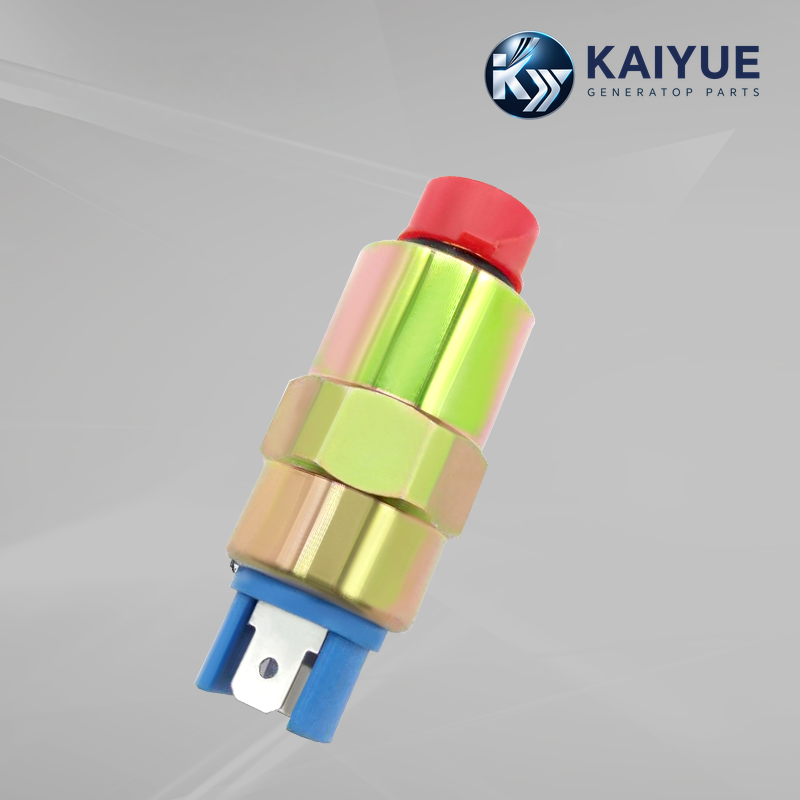
Fuel Shut Off Solenoid
26420472
Perkins Diesel Engine Fuel Stop Solenoid Engine Stop Solenoid 26420472
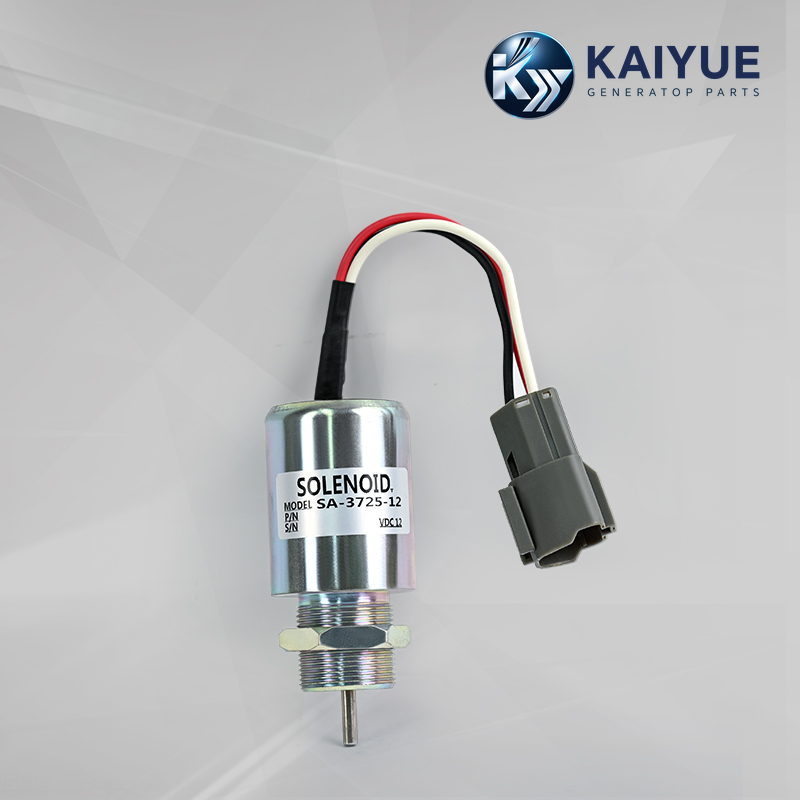
Fuel Shut Off Solenoid
SA-3725
Volvo Diesel Engine Fuel Stop Solenoid Engine Stop Solenoid 12V/24V SA-3725
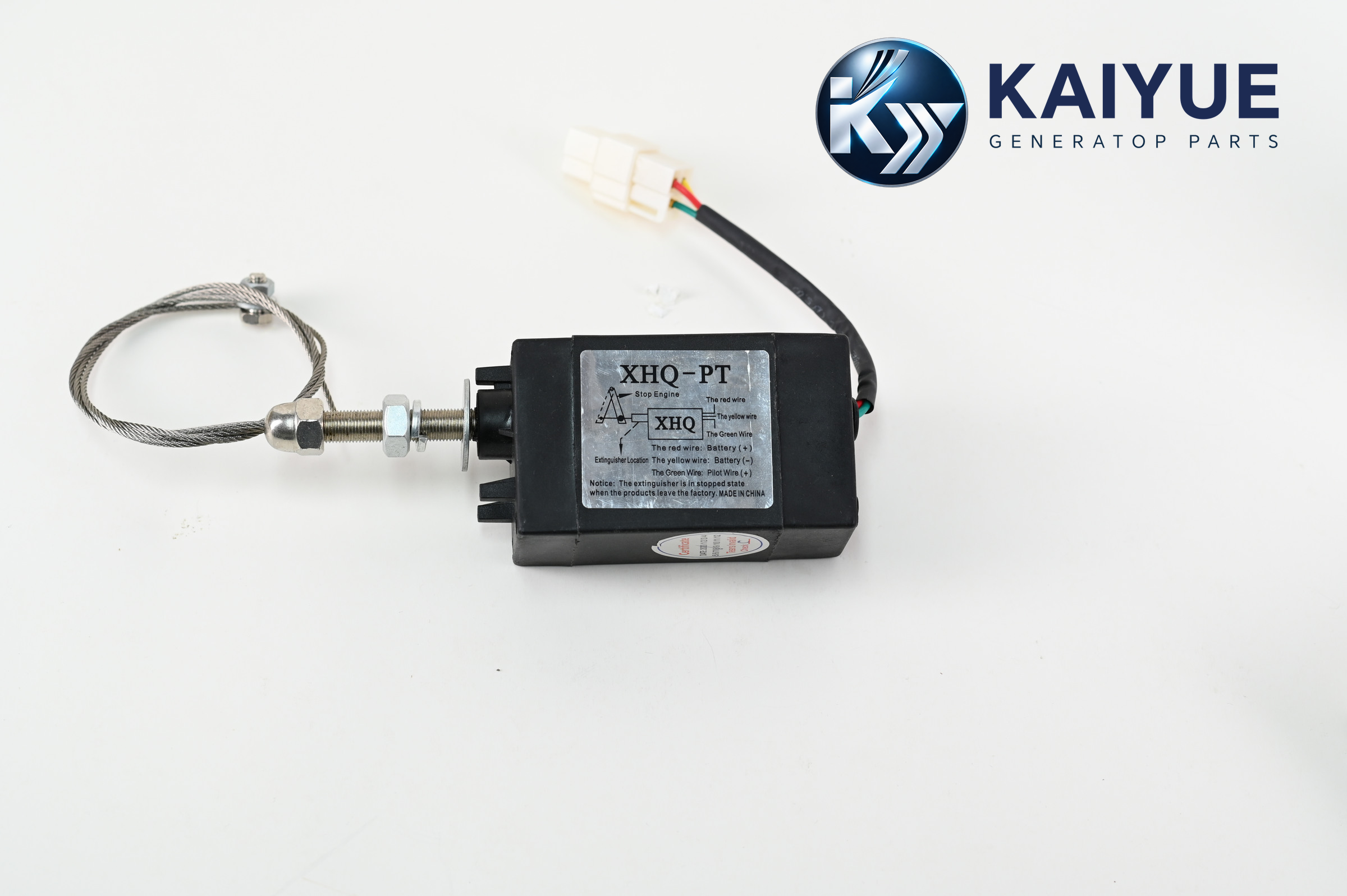
Fuel Shut Off Solenoid
XHQ-PT
Weichai Diesel Engine Fuel Stop Solenoid Engine Stop Solenoid 12V/24V XHQ-PT
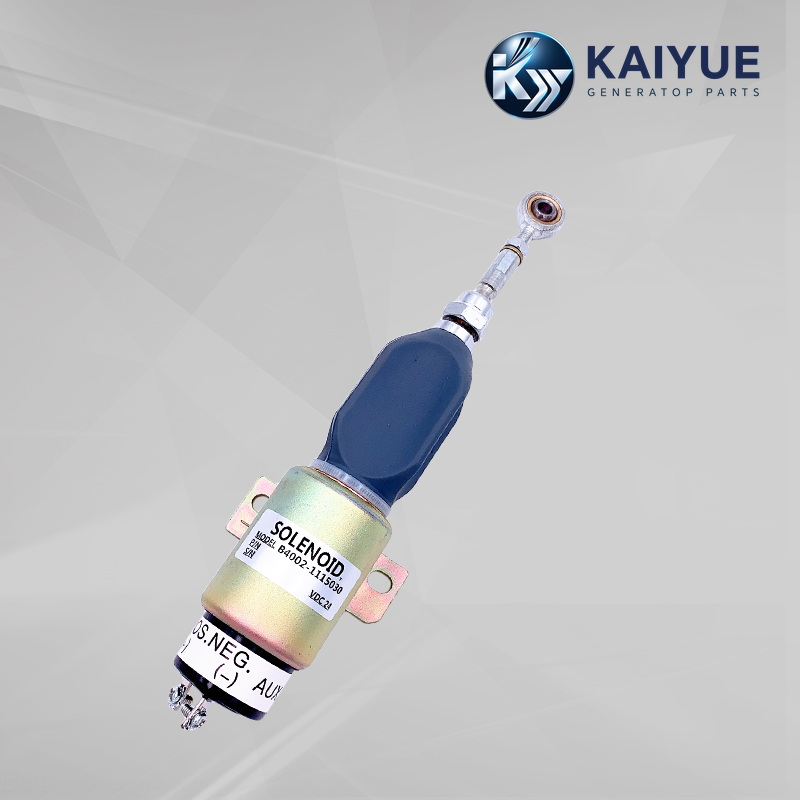
Fuel Shut Off Solenoid
B4002-1115030
Yuchai Diesel Engine Fuel Stop Solenoid Engine Stop Solenoid 12V/24V B4002-1115030
Fuel Shut Off Solenoid Technical Guide
Product features
Fuel stop solenoids use a coil and moving plunger to operate a fuel valve or shutdown linkage. Match nominal voltage, connector, plunger stroke and whether the circuit energizes to run or to stop.
How it works
The coil creates a magnetic field that moves the plunger. Some designs use a separate pull-in and hold circuit, while others use a single coil. A spring or external linkage provides the return action where fitted.
Troubleshooting
For crank-no-start or unexpected shutdown, check whether the shutdown linkage moves and returns freely. Use the engine wiring diagram to distinguish a supply fault, a binding linkage and a failed coil.
Replacement options
Compare the complete reference number and voltage for each candidate. Similar brackets or connectors do not establish fit.
How to replace it
Prevent automatic starting, isolate the battery and follow the engine manual for fuel isolation where applicable. Match the linkage position and adjustment, then verify start, normal stop and shutdown operation.
PRODUCT GUIDANCE
Frequently asked questions
Fuel Shut Off Solenoid guidance for selection, use and purchasing.
Explore more FAQs ↗What does a fuel shut off solenoid do on a diesel generator?+
A fuel shut-off solenoid operates the engine fuel shut-off mechanism, which may be a valve or a mechanical linkage. Energise-to-run and energise-to-stop designs work differently. Match the replacement to the engine arrangement and control circuit.
View this answer in FAQs ↗What is the difference between an ETR and an ETS solenoid?+
ETR (energise to run) solenoids require continuous power to keep the engine running, while ETS (energise to stop) solenoids are powered only to shut the engine down. Choosing the wrong type can prevent starting or prevent stopping — confirm the required type for your engine; confirm the specification with our team.
View this answer in FAQs ↗How do I know if I need a 12V or 24V solenoid?+
The solenoid voltage must match the engine's DC control system. Check the battery system voltage and the nameplate of the existing solenoid — confirm the specification with our team before ordering.
View this answer in FAQs ↗Why does my engine stop immediately after starting?+
This often points to a solenoid that is not holding in the run position, a weak hold coil, low control voltage or a wiring fault. Measure the control voltage at the solenoid during cranking and after start.
View this answer in FAQs ↗Why is my solenoid getting hot or burning out?+
Overheating is commonly caused by the pull-in coil staying energised instead of handing over to the hold coil, by incorrect supply voltage, or by mechanical binding of the plunger. Inspect linkage movement and the control circuit.
View this answer in FAQs ↗How do I match a replacement solenoid to my engine?+
Match the part number, the voltage, the ETR/ETS type, the mounting arrangement and the plunger travel. Send the original part number and photos so the correct reference can be confirmed — confirm the specification with our team.
View this answer in FAQs ↗Can I use a solenoid from a different brand?+
A different brand may be usable when the electrical type, voltage, mounting and stroke are equivalent. Interchangeability must be confirmed for each specific reference — confirm the specification with our team.
View this answer in FAQs ↗How do I test a fuel shut off solenoid?+
Testing depends on the solenoid wiring, rated voltage and duty cycle. Dual-coil designs have separate pull-in and hold circuits; the pull-in circuit must not be treated as a continuous-duty supply. Have a qualified technician follow the exact model instructions and provide the part number and test findings to our team.
View this answer in FAQs ↗Does the solenoid affect engine stopping time?+
Yes. A slow or partially closing solenoid can delay fuel cut-off and extend engine run-down. Repeated slow shutdowns should be investigated rather than ignored.
View this answer in FAQs ↗What should I send when requesting a quotation?+
Send the existing part number, engine make and model, system voltage, solenoid type (ETR/ETS), required quantity and clear photos of the mounting position. ---
View this answer in FAQs ↗Guidance varies by model and installation. Confirm specifications and suitability for your selected part with our team.
Not sure which part you need?
Send a model number, reference photo or application details to our team.
